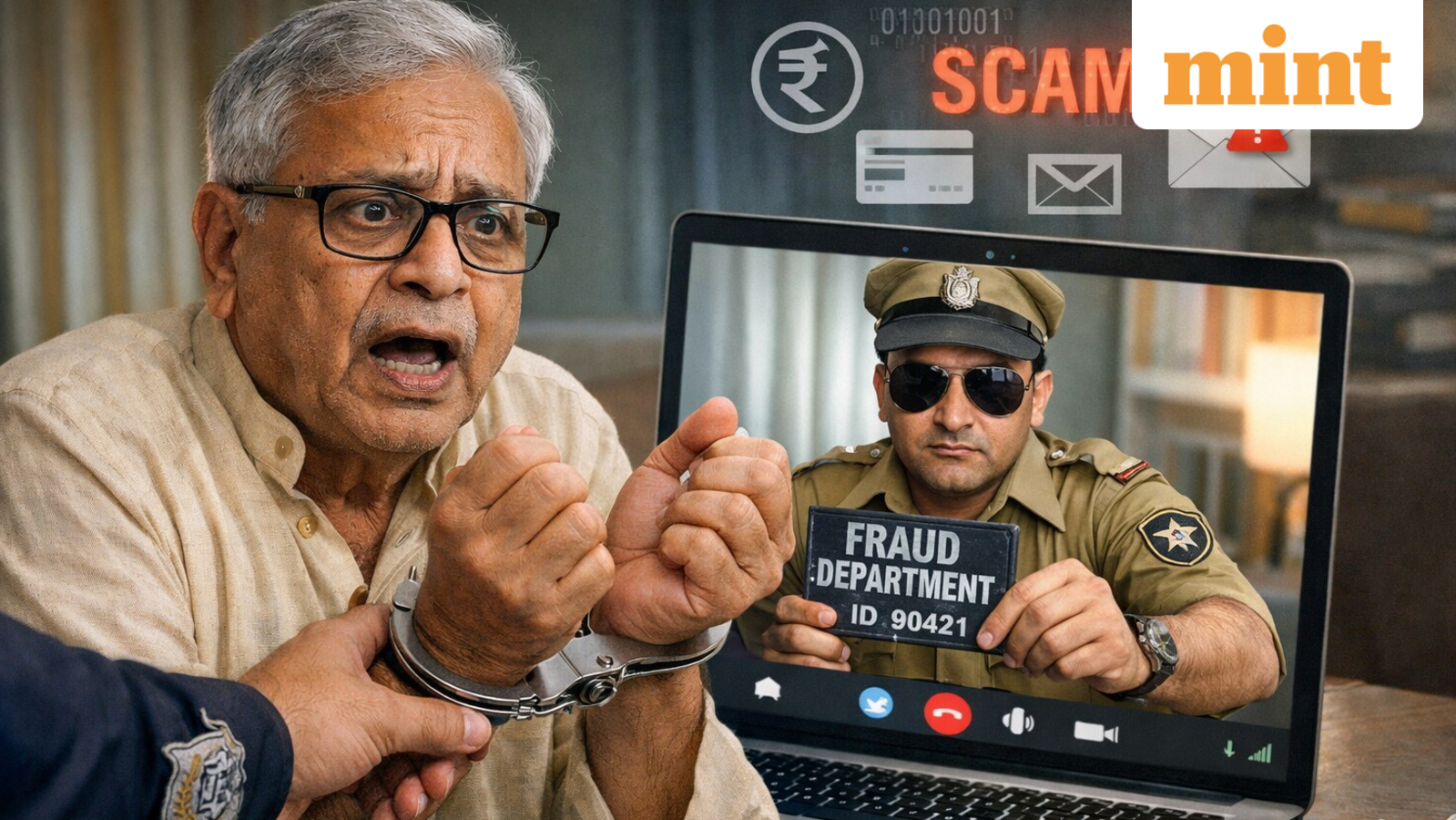
A worrying new form of fraud has been targeting older adults: criminals use video calls to convince victims they are being “arrested” and pressure them into sending money immediately. The scam combines visual intimidation, fake credentials and urgent threats to create a believable emergency that many seniors find hard to resist.
How the “digital arrest” scam works
The con follows a predictable pattern designed to trigger fear and immediate compliance:
- Initial contact: A call or unsolicited video call appears to come from law enforcement, a bank investigator or a government official.
- Visual deception: Scammers use fake uniforms, IDs, or even pre-recorded footage to give the impression of authority during the video call.
- Threat and urgency: They claim the victim is under investigation for fraud, tax evasion or another crime and say arrest or legal action will follow unless money is paid.
- Demand for immediate payment: Victims are told to transfer funds to a “safe” account, buy gift cards, or move money to a new bank account to avoid arrest.
- Isolation and control: Callers insist victims don’t hang up, tell them not to contact family or local police, and sometimes coach them through deleting messages or installing apps that give the scammer access to the device.
Why senior citizens are especially vulnerable
- Trust of authority: Older adults are often more trusting of figures who present themselves as police or officials.
- Lower digital literacy: Many seniors have limited experience with smartphones, apps and online banking, making technical tricks harder to spot.
- Fear of legal trouble: The threat of arrest is terrifying and can push someone to act quickly without verifying the claim.
- Social isolation: Scammers exploit loneliness and the instinct to comply when pressured by someone who seems authoritative.
Warning signs to watch for
- Unexpected video calls from unknown numbers or blocked/unknown caller IDs.
- Anyone claiming immediate arrest or demanding urgent money to “avoid legal action.”
- Requests to transfer funds, buy prepaid cards, or share one-time passwords (OTPs) or bank details.
- Pressure not to speak with family, a lawyer or local police.
- Requests to install remote-access apps or to change bank account settings on the spot.
What to do if you or a loved one are targeted
- Hang up immediately. Don’t stay on the call, no matter how convincing the caller seems.
- Do not transfer money or share OTPs. Legitimate law enforcement never asks for payment over the phone.
- Verify independently. Use publicly listed phone numbers to contact your local police station or bank. Do not use numbers given by the caller.
- Contact your bank right away if any transfer was made. Ask them to freeze accounts and attempt to reverse transactions.
- Report to police and keep records. File a report and preserve any call logs, screenshots, or recordings as evidence.
- Get technical help. If apps were installed or remote access was granted, have a trusted technician inspect the device and change passwords.
Prevention tips for families and businesses
Stopping these scams takes both awareness and practical safeguards.
- Educate regularly: Talk with older family members about this scam and practice role-playing scenarios so they feel prepared.
- Establish a verification plan: Create a simple rule—hang up and call a trusted number before sending money or sharing personal information.
- Limit remote access: Never allow unknown callers to install software or access banking apps. Use reputable support services when needed.
- Set up trusted contacts: Banks and financial services can add trusted-contact alerts to accounts so large or unusual transfers trigger a family notification.
- Use basic tech defenses: Keep devices updated, enable two-factor authentication, and use call-blocking tools for suspicious numbers.
- Community outreach: Businesses and community centers can run workshops for seniors on spotting scams and reporting them quickly.
Legal and financial remedies
Acting fast improves the chance of recovering funds and stopping the perpetrators:
- Immediate bank notification can sometimes freeze transfers or recover money sent to other banks.
- Police reports create an official record that may help in investigations and claims with financial institutions.
- Financial regulators and fraud teams may assist in tracing transactions, especially if reported straightaway.
- Document everything: Time-stamped evidence, screenshots and detailed notes strengthen any legal or recovery efforts.
Final note
Scammers are adapting quickly, using video and pressure to create convincing lies. The best defense is calmness, verification and speed: hang up, check independently, and involve your bank and the police if money is at risk. Awareness and simple routines can protect vulnerable people from a devastating loss.