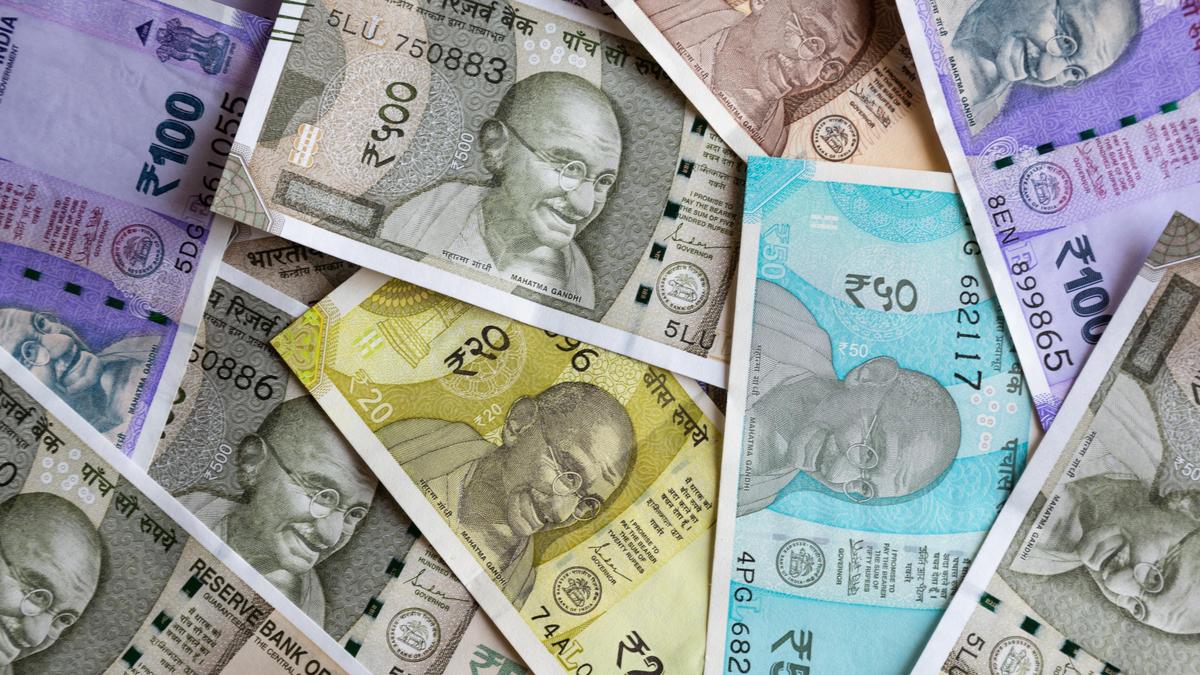
The Indian currency received a fresh dose of support this week, helped by foreign capital flowing into domestic equity markets and a decline in global crude oil prices, forex experts said. These two factors eased some pressure on the rupee and improved investor sentiment.
What helped the rupee
- Foreign capital inflows: Overseas investors buying Indian stocks increase demand for the rupee, supporting its value against major currencies.
- Lower crude oil prices: Cheaper oil reduces India’s import bill, easing current account strain and relieving downward pressure on the currency.
Why this matters
Stronger capital inflows and softer oil costs work together to stabilise the currency, which can in turn help moderate inflationary pressures and keep borrowing costs in check. For markets, these trends tend to boost confidence—domestic equities often benefit when foreign investors return.
What to watch next
- Trends in global crude oil prices and geopolitical developments that can push them higher or lower.
- Levels of foreign investment into Indian equities, which can quickly change with global risk appetite.
- Domestic macro indicators and central bank responses that may influence currency direction.
Forex experts caution that currency moves can be volatile. While inflows and lower oil prices offer immediate support, sustained stability will depend on global cues and domestic economic fundamentals.