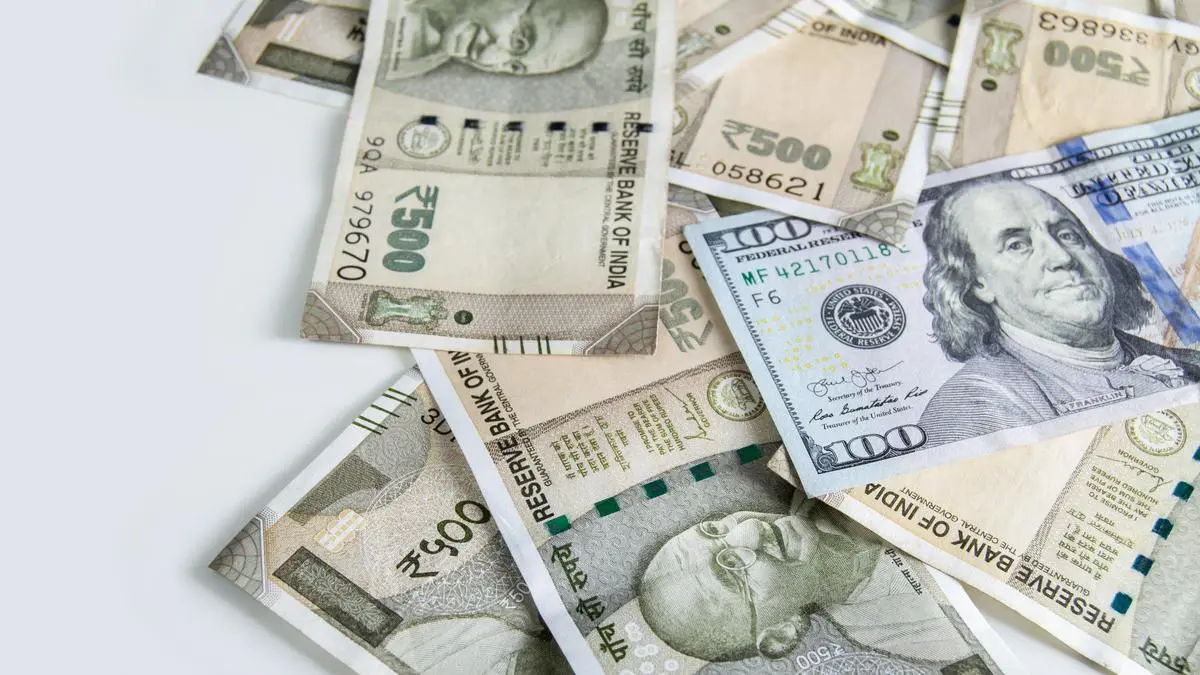
Rupee Slips as Foreign Funds Pull Back
The rupee came under pressure after a noticeable withdrawal of foreign funds, say forex experts. Investors stayed cautious ahead of the release of GDP growth numbers for the July–September quarter, which added to market uncertainty.
What’s Driving the Movement?
- Foreign fund outflows: When foreign investors reduce holdings in local assets, demand for the currency falls and the rupee tends to weaken.
- Economic data watch: Markets were waiting for quarterly GDP figures. Uncertainty around growth strengthens risk-off sentiment.
- Investor caution: With big macro numbers due, many traders trimmed positions or stayed on the sidelines, reducing market liquidity.
Market Implications
Short-term volatility is likely while investors digest the GDP data. A weaker rupee can raise import costs, affect inflation, and influence corporate earnings for companies with large foreign currency exposure. It can also prompt policymakers to monitor capital flows more closely.
What Investors Are Watching
- GDP growth for July–September: A stronger-than-expected print could restore confidence and support the rupee.
- Foreign investment flows: Continued inflows would ease pressure; further outflows could deepen weakness.
- Global cues: International risk sentiment and interest rate expectations will also affect the currency.
Outlook
Traders and businesses should prepare for a period of cautious trading until clarity on growth and capital flows improves. For now, forex experts expect the rupee to remain sensitive to both domestic economic updates and global investor sentiment.