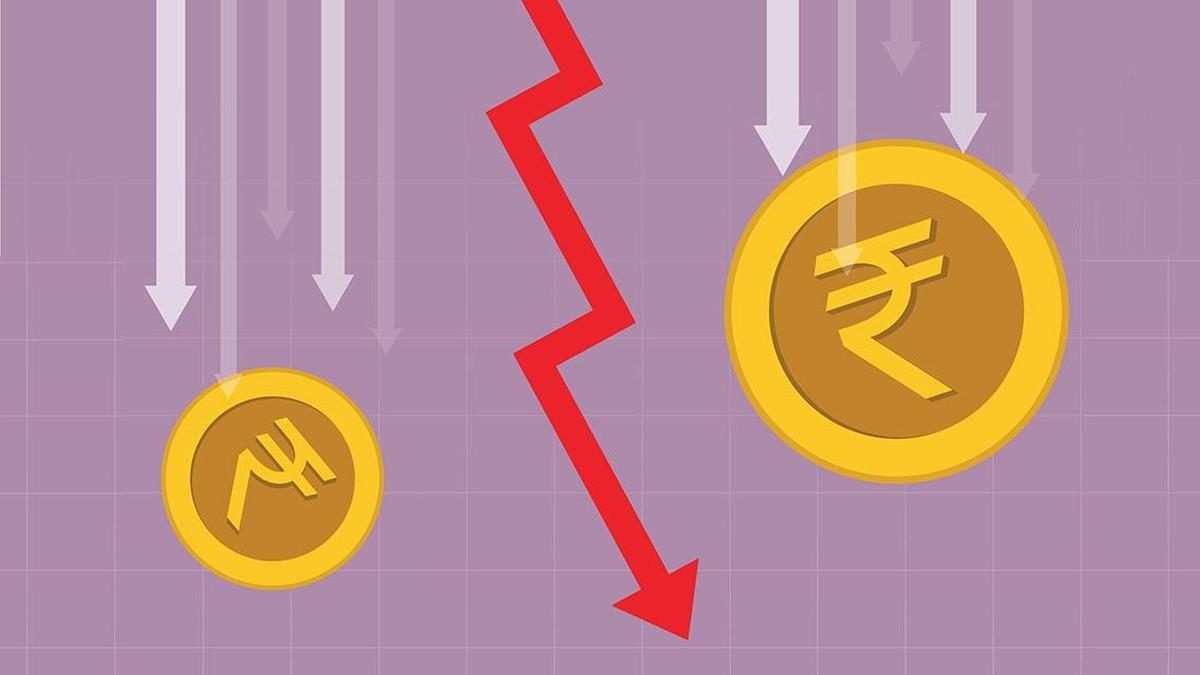
The Indian rupee slipped further against the US dollar and touched a previous all-time low of 90.29 on Wednesday. The move reflects continuing pressure on the currency amid a mix of global and domestic factors.
Index
Show
Why the rupee weakened
Several familiar forces usually push the rupee lower. Analysts point to a combination of:
- Strong dollar momentum driven by US interest rate expectations and safe-haven demand.
- Higher oil prices, which raise import bills for an energy-importing economy.
- Capital flows — periods of foreign fund outflows can weigh on the currency.
- Domestic macro pressures, such as trade deficits or inflation concerns, that make the rupee vulnerable.
Immediate economic and market effects
- Import costs rise: A weaker rupee increases the rupee value of imports, adding cost pressure for businesses and potentially feeding into inflation.
- Exporters benefit: Companies earning in dollars can see improved competitiveness and margin support.
- Corporate and investor reaction: Firms with foreign-currency debt face higher repayment costs; equity and bond markets may respond to volatility.
- Central bank watch: The monetary authority may monitor the situation for possible intervention if volatility spikes.
What to watch next
Market participants will be watching a few key items closely:
- Central bank statements or any direct market intervention.
- Global risk sentiment and US economic data that drive the dollar.
- Crude oil trends and their impact on the import bill.
- Foreign institutional investor flows and major domestic data releases.
For businesses and investors, the recent move is a reminder to review currency exposure and hedging strategies. Consumers should watch fuel and imported goods prices for signs of ripple effects on everyday costs.