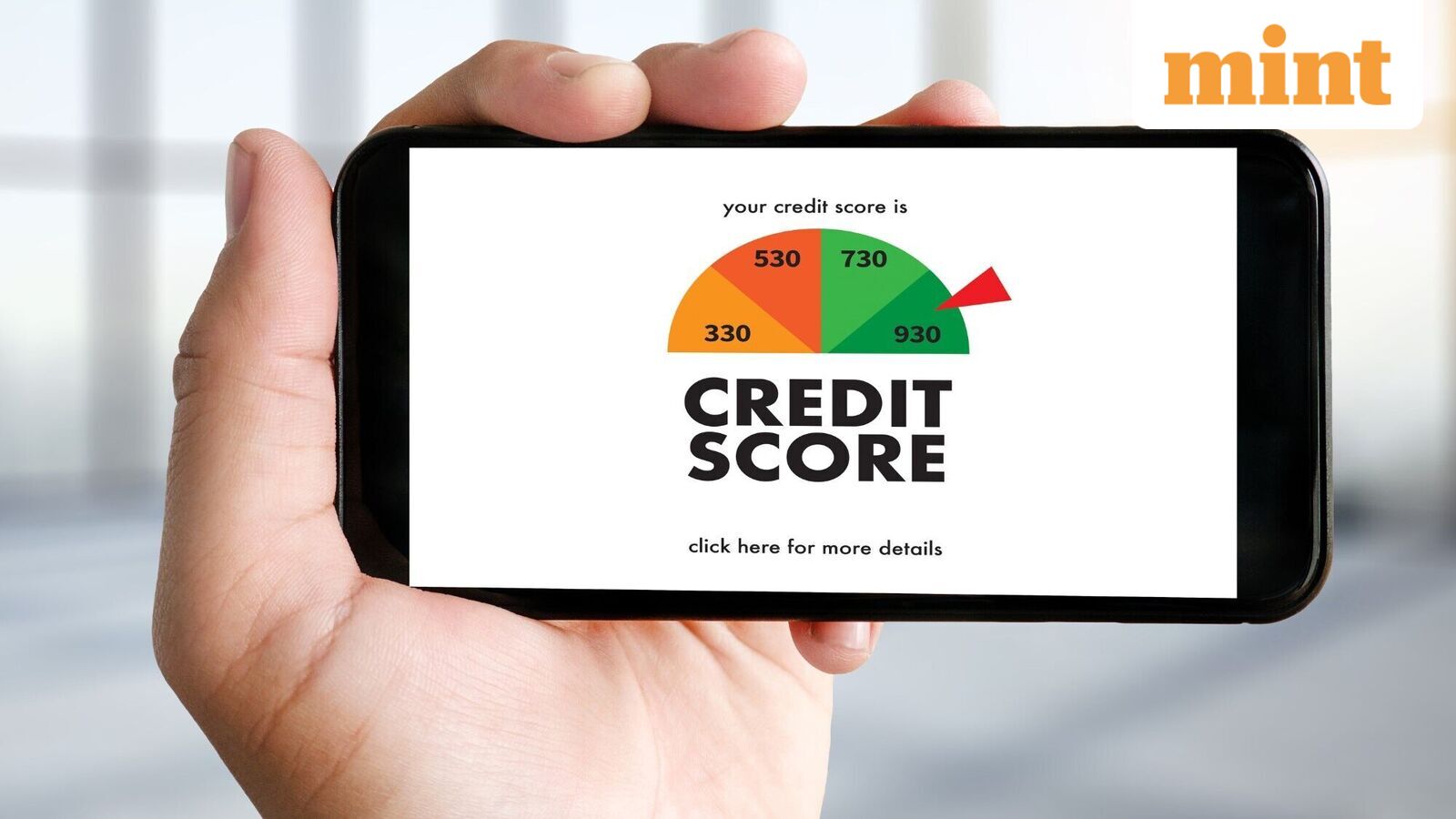
Small mistakes on your credit report can have big consequences. Incorrect personal details, misreported repayments, accounts that show as active when they were closed, or duplicate records can all drag down your credit score and make lenders hesitate. Regularly checking your credit report is one of the simplest steps to protect your borrowing power.
Common credit report errors to watch for
- Wrong personal information — misspelled names, old addresses or incorrect birthdates.
- Misreported payments — on-time payments recorded as late or missed.
- Closed accounts listed as active — loans or cards that were paid off but still show as open.
- Duplicate accounts — the same account listed more than once, inflating your obligations.
- Incorrect balances or limits — wrong amounts that affect utilization ratios.
- Signs of identity theft — unfamiliar accounts or hard enquiries you didn’t authorize.
How errors affect your credit and loan approval
Credit scoring models use report data to judge risk. Errors can lower your score, increase interest rates, or prompt lenders to deny credit. Even a single incorrect late payment can stay on your report and influence decisions for months or years, which is why accuracy matters for mortgages, car loans and business financing alike.
How to check your credit report
- Request your report from the main credit reporting agencies in your region — aim to review all available reports.
- Compare report entries to your bank statements, loan documents and account statements.
- Look closely at account status, payment history, balances, enquiries and personal details.
- Set a reminder to check at least once a year, and more often if you’re planning to apply for major credit.
Fixing mistakes: a simple step-by-step approach
- Document the error — take screenshots and gather supporting documents (statements, payoff letters).
- File a dispute with the credit bureau that shows the error and with the creditor that reported it.
- Follow up — bureaus typically investigate within a set period; keep records of all correspondence.
- Escalate if needed — if an issue isn’t resolved, contact a financial ombudsman or regulator in your area.
Tips to prevent future errors
- Keep personal information up to date with lenders and bureaus.
- Pay bills on time and keep balances low to avoid reporting mistakes tied to high utilization.
- Close accounts properly and request written confirmation.
- Consider credit monitoring or fraud alerts if you suspect identity theft.
When to get professional help
If disputes become complicated, or if you face identity theft or large financial loss, consider a consumer credit counsellor or a lawyer who specialises in credit and consumer protection. They can help navigate disputes and protect your rights.
Regular credit report checks are a small habit with big upside: they help you catch errors early, protect your credit score and improve your chances of smooth loan approvals.