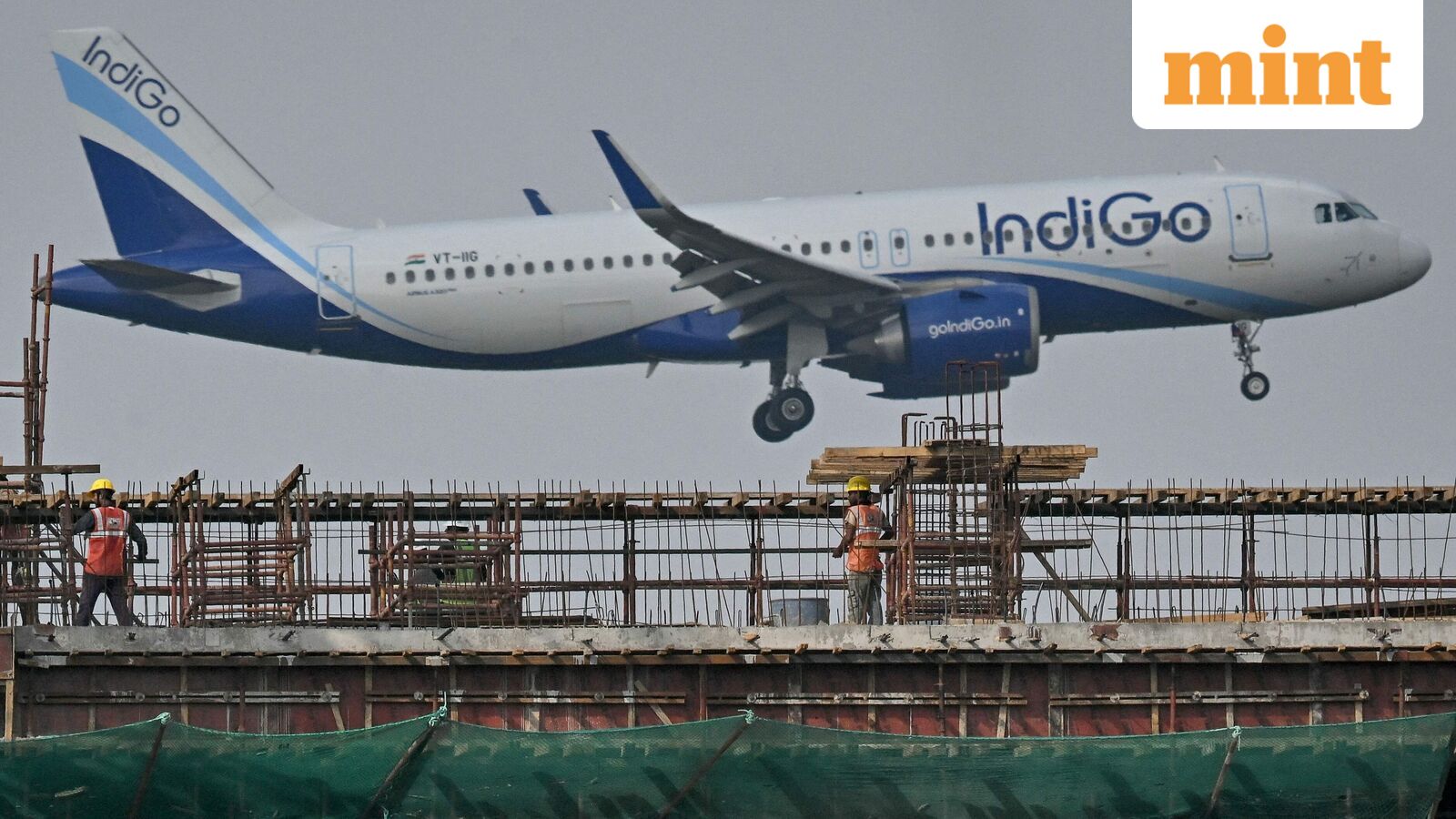
Sensex inclusion seen as a cushion for the airline’s stock
Five market analysts said the airline’s share price is unlikely to fall further once the stock joins the Sensex on 22 December. Inclusion in a major index typically brings fresh buying from index funds and higher liquidity, which can stabilise prices even after short-term shocks.
Why analysts expect stability
- Index buying: Funds that track the Sensex will need to buy the stock, creating demand around the inclusion date.
- Improved liquidity: Higher trading volumes often reduce price volatility and make it harder for the stock to slide further.
- Market perception: Joining a benchmark index can boost investor confidence and attract long-term institutional interest.
A near-term revenue setback
The airline has warned that revenue will fall in the December quarter after a spate of cancellations last week. Analysts describe this as a short-term operational hiccup rather than a structural weakness, but they acknowledge the hit will affect quarterly numbers.
What to watch next
- Quarterly results: Look for management commentary on the size and duration of the revenue impact.
- Capacity and bookings: Recovery in bookings and restored flight schedules will signal whether the setback is temporary.
- Post-inclusion trading: Monitor volumes and price action around 22 December to see how much buying pressure from index funds supports the stock.
In short, analysts are cautiously optimistic: the Sensex listing should limit further downside, while the revenue drop looks like a manageable, short-term blip. Investors should keep an eye on upcoming financials and operational updates to judge whether the recovery is on track.