Why worsening air quality makes sustainable housing more valuable
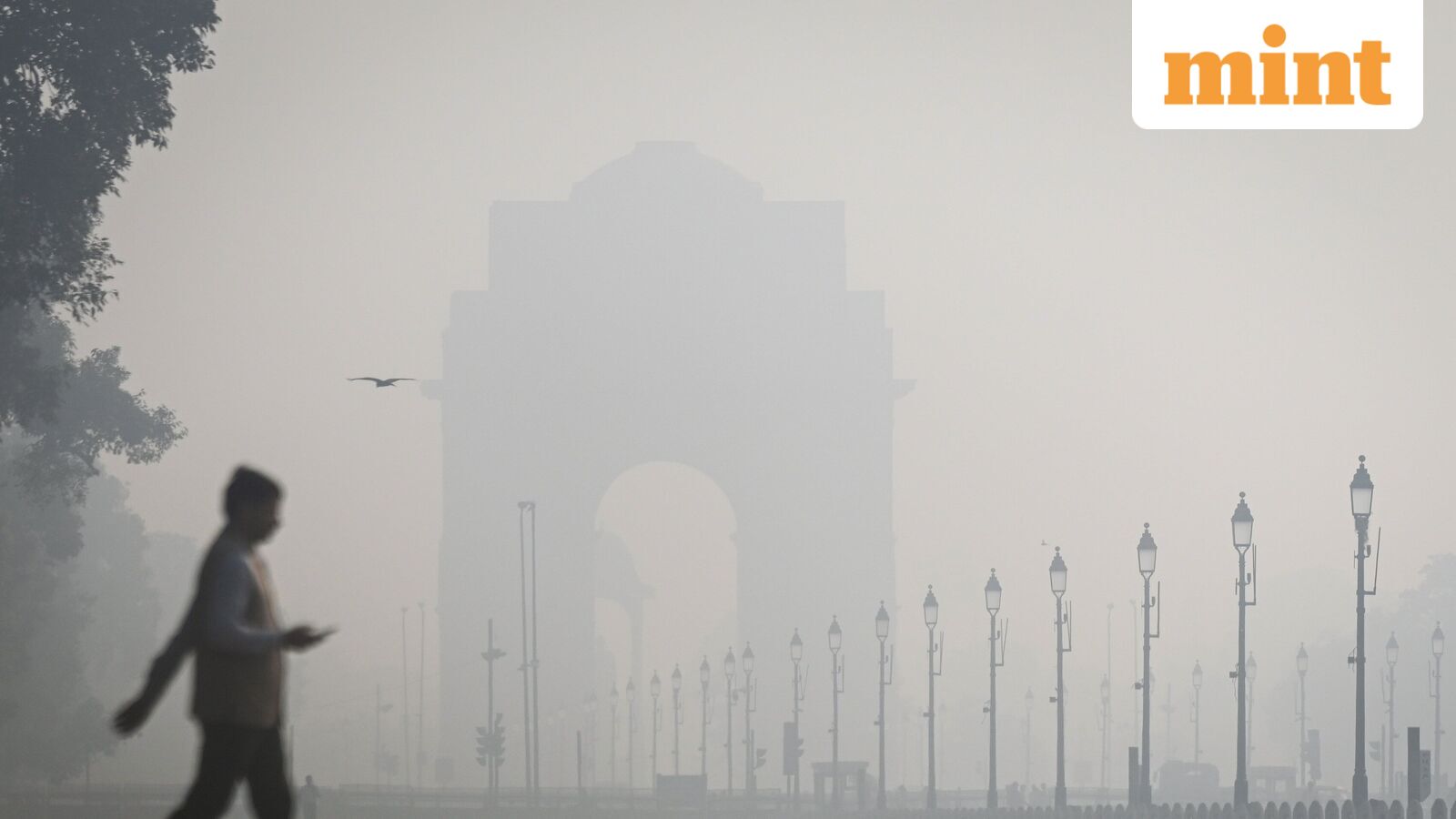
Air quality is declining in many parts of the world because of urban pollution, wildfires and changing weather patterns. That shift is pushing homeowners, developers and policymakers to rethink how buildings protect people’s health and hold value over time. Sustainable housing — designed to reduce energy use, improve ventilation and use healthier materials — can deliver clear health benefits while also making properties more resilient and attractive in a changing regulatory landscape.
Health benefits of sustainable homes
Indoor air can be several times more polluted than outside air. Sustainable design works to reduce that burden in a few practical ways:
- Improved ventilation. Balanced mechanical systems bring fresh air in and remove stale air, lowering concentrations of pollutants and allergens.
- High-efficiency filtration. HEPA-level or equivalent filters can capture smoke particles, dust and pollen, which is especially important during wildfire events or high-pollution days.
- Low-emission materials. Choosing paints, sealants and finishes with low volatile organic compounds (VOCs) reduces long-term chemical exposure inside the home.
- Moisture control. Proper building envelopes and ventilation reduce dampness and mold, which can trigger respiratory problems.
These measures contribute to fewer respiratory and cardiovascular issues, better sleep and improved overall comfort. For families, older adults and people with allergies or asthma, the difference can be life-changing. Employers and building managers also see fewer sick days and higher productivity when indoor air is healthier.
Preparing for regulatory change
Governments and standards bodies are tightening rules around energy efficiency and indoor air quality. That trend is driven by climate goals and growing awareness of health impacts from polluted air. Building codes are evolving to require better insulation, airtightness, ventilation rates and sometimes air-filtration performance.
Homes built or retrofitted with sustainable strategies are more likely to meet future regulations without expensive upgrades. Developers who adopt those standards early face less risk of non-compliance, easier permitting and smoother access to incentives or financing programs aimed at low-carbon and healthy buildings.
What builders and owners should watch for
- New minimum ventilation or IAQ requirements in local codes.
- Standards that link energy performance with occupant health outcomes.
- Incentive programs for heat pumps, efficient HVAC and retrofit work.
- Insurance or lending criteria that favor resilient, low-emission buildings.
Long-term value and resilience
Sustainable homes can cost more upfront, but the long-term financial picture often favors them. Energy-efficient systems, durable materials and smart design reduce operating costs and maintenance over the life of the building. Better IAQ systems can also lower healthcare and productivity costs for occupants.
Additional value drivers include:
- Energy savings. Efficient heating, cooling and ventilation reduce utility bills and exposure to price volatility.
- Market appeal. Buyers and renters increasingly seek properties that offer comfort, health and resilience — features that command higher rents and sale prices.
- Resilience to events. Homes designed to filter smoke and maintain indoor comfort during extreme heat or pollution episodes remain more livable during crises.
- Lower lifecycle costs. Higher-quality construction and systems reduce the need for early replacement or expensive retrofits.
Practical steps for developers and homeowners
Adopting sustainable approaches does not require reinventing the wheel. Some high-impact, practical steps include:
- Install mechanical ventilation with heat recovery to provide fresh air while conserving energy.
- Use high-efficiency filters and provide a smoke-response mode that increases filtration during pollution events.
- Choose low-VOC materials for finishes and furnishings to improve long-term indoor air quality.
- Improve the building envelope to control air leakage and moisture, which aids both energy performance and IAQ.
- Integrate sensors and controls for real-time monitoring of particulate matter, CO2 and humidity so occupants can respond quickly.
- Plan for flexibility so systems can be upgraded as standards and technologies evolve.
Policy and investment implications
Policymakers can accelerate health and climate goals by aligning building codes, incentives and public-health campaigns. Investments in sustainable housing reduce pressure on healthcare systems and support economic resilience in areas prone to pollution events.
For investors and developers, sustainable housing represents both risk mitigation and opportunity. Properties that protect occupant health, comply with tightening regulations and offer lower operating costs tend to hold value better over time.
Conclusion
As outdoor air quality worsens in many regions, sustainable housing offers a practical path to protect health, meet future regulations and preserve long-term value. Whether building new homes or retrofitting older stock, focusing on ventilation, filtration, low-emission materials and resilient design creates safer, more attractive and more economical places to live.