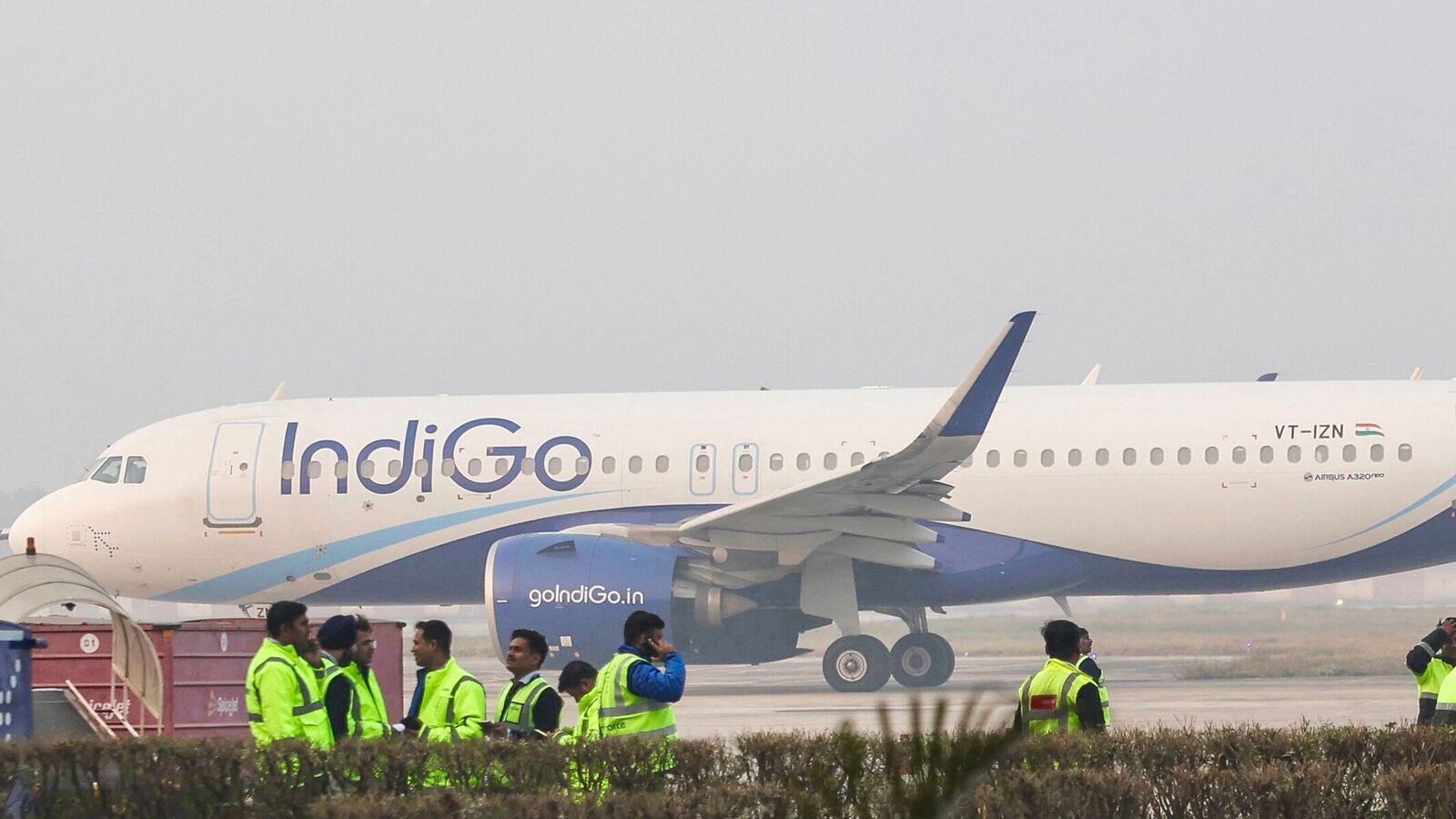
Airline trims winter flight schedule by 10%
One of the country’s largest carriers has announced a 10 percent reduction in its upcoming winter flight schedule. The move follows a directive from the Ministry of Civil Aviation aimed at stabilizing the carrier’s network after a period of operational disruption.
What the cut means for the winter timetable
The reduction affects a portion of flights across the carrier’s domestic and regional network. Fewer daily frequencies on some routes and temporary pauses on lower-demand sectors are expected as the airline adjusts its timetable to match available resources and operational constraints.
Key points
- Overall capacity trimmed: The airline will operate about 10 percent fewer flights during the winter season compared with its original plan.
- Routes and frequencies: Changes are likely to be concentrated on routes with overlapping services or lower load factors; core trunk routes are expected to be prioritized.
- Advance notices: Passengers holding bookings for affected flights should receive notifications and rebooking options from the carrier.
Why the Ministry stepped in
The Ministry of Civil Aviation instructed the airline to reduce capacity to help stabilise operations following recent disruptions. Regulators typically intervene when network performance—such as punctuality, cancellations and aircraft utilization—degrades to levels that impact the broader system and passenger confidence.
Reducing the number of flights can create operational buffers that improve on-time performance, reduce cascading delays, and allow airlines to manage crew and aircraft rotations more reliably during periods of stress.
Passenger impact and options
Passengers affected by schedule changes can usually expect the following options from the airline:
- Rebooking: Alternative flights on the carrier without additional charges, subject to availability.
- Refunds: Full refunds for cancelled flights or significant schedule alterations where rebooking is not acceptable.
- Support services: Customer service channels, including call centres and online portals, to help with itinerary changes.
Travellers planning winter journeys should monitor booking confirmations, airline communications, and airport advisories. Flexibility in dates or times may make it easier to find alternatives if necessary.
Operational and market implications
For the airline, the cutback is a tactical decision to prioritise reliability over short-term capacity. Benefits may include improved punctuality, fewer cancellations, and better utilization of crew and ground resources. Regulators will likely track performance metrics to decide when capacity can be safely restored.
Competitors could respond by adjusting their own schedules or picking up market share on routes where capacity is reduced. For the travelling public, a more stable network generally delivers a better travel experience, even if there are temporarily fewer flight options.
What to watch for next
- Performance indicators such as on-time arrivals and cancellation rates will be monitored by regulators and the airline.
- If stability improves, the carrier may gradually restore frequencies as winter demand and operational readiness permit.
- Passengers should keep an eye on official communications for rebooking windows, refund policies, and any further schedule changes.
Reducing capacity is a short-term operational lever that airlines use to regain control after disruptions. For travellers and the market, the goal is a more reliable schedule, even if that means fewer options in the immediate term.