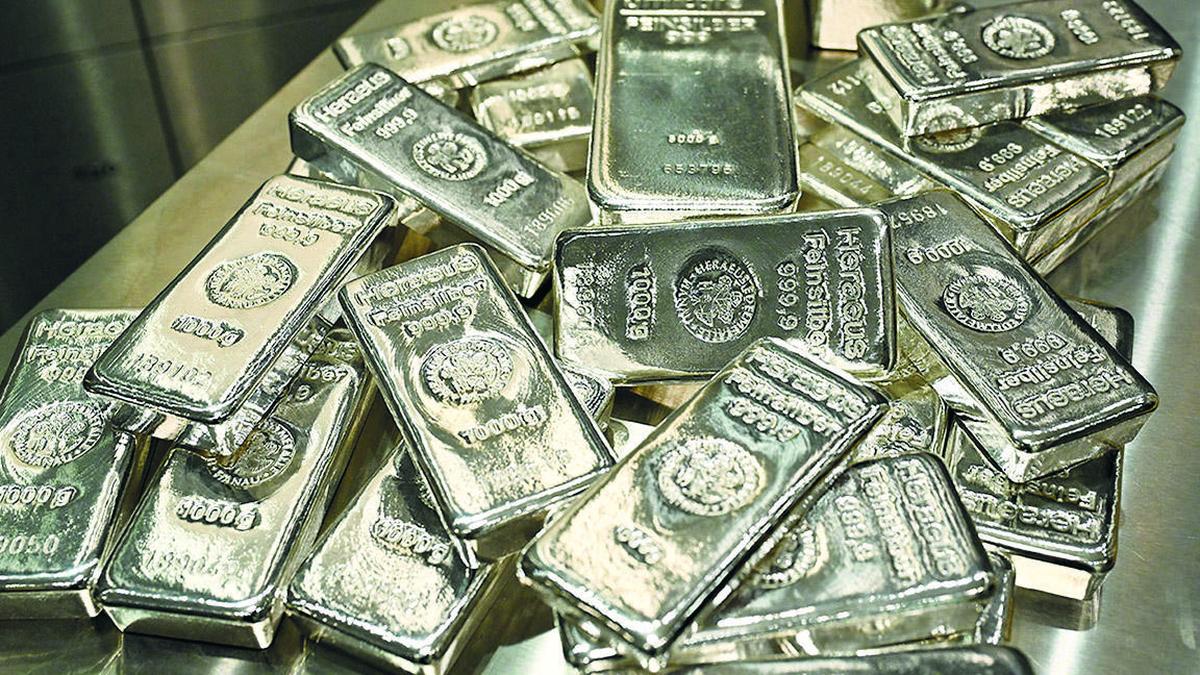
Record surge pushes silver futures to a fresh high
Silver futures for the March 2026 contract on the Multi Commodity Exchange (MCX) climbed sharply, jumping ₹8,951 or 4% to an all-time high of ₹2,32,741 per kg. The rally has been steep: the white metal has rallied ₹29,176 or 14.33% since December 18.
What drove the sudden rise?
The move appears to be the result of several factors coming together:
- Investor demand: Precious metals often attract inflows when investors seek a hedge against economic uncertainty and inflation, and silver has benefited from that trend.
- Industrial use: Silver’s role in electronics, solar panels and other industrial applications supports longer-term demand, adding a real-economy underpinning to investor interest.
- Supply considerations: Limited mine output, seasonal factors in recycling, or logistical constraints can tighten availability and push prices higher.
- Market positioning and momentum: Futures traders and leveraged positions can amplify moves, particularly when short-covering occurs after a strong rally.
How big is the rally in context?
Gaining more than 14% in roughly a month is sizable for any commodity. The rise to ₹2,32,741 per kg marks a new benchmark for domestic silver futures and reflects both short-term trading flows and broader demand shifts. Such rapid gains often draw fresh interest from speculators, hedgers and physical buyers alike.
Implications for different market participants
- Investors and traders: Momentum may attract more short-term traders, but higher prices can also increase volatility. Risk management becomes more important as positions grow.
- Jewellery and retail buyers: Retail silver and jewellery prices typically follow the futures market with some lag, meaning households and jewellers may face higher input costs.
- Industrial users: Companies that use silver in manufacturing — especially in electronics and solar energy — may see input-price pressure, potentially prompting hedging strategies.
- Small-scale dealers and recyclers: A sharp price rise can boost margins for recyclers but may also create supply squeezes if large volumes return to the market in search of profit.
Risks and what to watch next
Despite the strong run, several risks could change the picture quickly:
- Interest-rate moves: Changes in monetary policy and real yields can swing investor appetite for precious metals.
- Dollar strength: A stronger rupee or global dollar appreciation can temper commodity gains priced in local currencies.
- Profit-taking and volatility: Rapid gains often lead to pullbacks as traders lock in profits or rebalance exposures.
- Supply responses: If mine production or recycling ramps up, the supply picture could ease and slow price growth.
Practical takeaways
- For long-term investors, silver’s industrial demand adds a structural case for prices, but volatility remains high after such a sharp move.
- Short-term traders should keep stop-losses and position sizes under control given the potential for rapid reversals.
- Buyers who rely on physical silver for manufacturing or retail should consider hedging strategies or staggered purchases to manage cost risk.
The recent spike in silver futures underscores how quickly markets can reprice based on a mix of investor sentiment, industrial demand and supply dynamics. Participants should weigh both the upside potential and the risks as the market digests this fresh high.