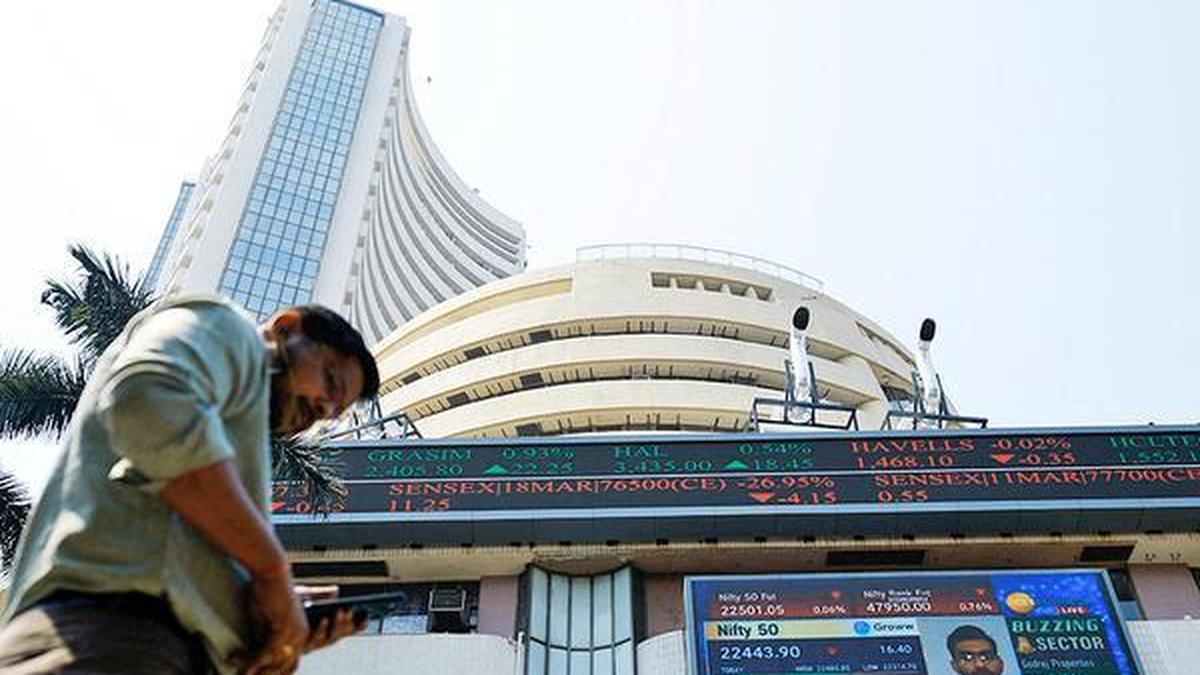
Sensex slips for third straight session
The 30-share BSE Sensex fell for the third consecutive day, dropping 0.43% to settle at 85,041.45. Market activity remained thin, reflecting cautious sentiment among investors and low trading volumes.
Market snapshot
- Index: BSE Sensex
- Movement: Down 0.43% (third straight decline)
- Close: 85,041.45
- Market condition: Thin trade
Why the market softened
There are a few common drivers behind such short-term softness. Low participation and thin volumes can amplify small moves into larger percentage swings. Traders often pare back positions ahead of economic data releases or corporate earnings, making the market more sensitive to news. Profit booking after earlier gains can also add downward pressure.
Global sentiment plays a role too. When overseas markets are uncertain or key macro indicators are due, domestic investors tend to wait on the sidelines. That mood of caution feeds into muted market breadth and lower turnover.
Which sectors and stocks may be affected
In thin trading conditions, cyclical and high-beta stocks typically show wider swings, while defensive names tend to hold up better. Banking, financials, and mid-cap stocks are often more volatile in such sessions. Long-term investors usually focus on fundamentals rather than short-term market noise during these spells.
What “thin trade” means for investors
Thin trade refers to a trading session where volume and participation are low. That can lead to:
- Greater price volatility on relatively small orders
- Wider bid-ask spreads, making entry and exit more costly
- Less reliable technical signals due to limited data
Practical takeaways
- Review your portfolio but avoid knee-jerk reactions to a single session’s decline.
- Stick to a long-term plan—short-term dips are normal in equity markets.
- Use lower-volume days to reassess risk allocation rather than trade aggressively.
- Consider dollar-cost averaging if you’re adding to quality holdings over time.
Outlook
With the Sensex easing modestly in a low-volume session, the near-term market direction will likely depend on upcoming corporate earnings, domestic economic data, and global cues. Investors who focus on fundamentals and maintain disciplined risk management are best positioned to navigate transient market moves.