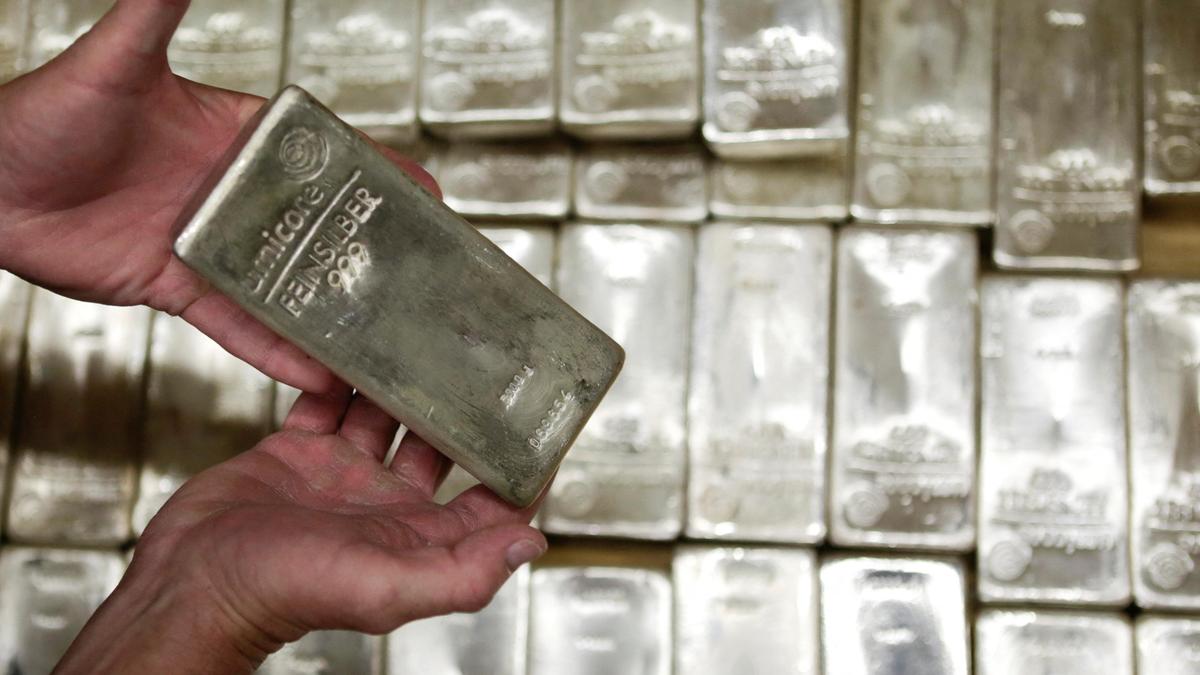
Silver has staged a sharp comeback in recent trading, adding substantial gains in a short span. Since December 19, prices have jumped by ₹32,250 per kilogram, a rise of 15.8% from the level of ₹2,04,100 per kg. That puts the current price at around ₹2,36,350 per kg, reflecting a rapid uptrend over four sessions.
How big is the move?
A gain of ₹32,250 in just four trading sessions is notable for a commodity that often moves more slowly than financial assets. The 15.8% increase means traders and holders of physical silver have experienced meaningful short-term appreciation, driven by factors that touch both investment demand and industrial needs.
Possible drivers behind the surge
Market watchers point to a mix of influences that can push silver higher:
- Safe-haven demand: When uncertainty rises—geopolitical tensions, inflation worries, or nervousness about economic growth—investors often seek precious metals as a hedge.
- Monetary policy expectations: Shifts in expectations around interest rates, especially in major economies, affect the dollar and real yields, which in turn influence precious metal prices.
- Industrial consumption: Silver has broad industrial uses in electronics, solar panels and medical equipment. Any improvement in industrial demand can tighten supplies and lift prices.
- Investment flows: Increased buying by exchange-traded funds and bullion investors can amplify price moves, as can physical demand in major consuming markets.
- Currency moves: A weaker domestic currency tends to make imports costlier, often pushing local prices of precious metals higher.
Who feels the impact?
The price jump matters to a range of market participants:
- Retail and institutional investors: Short-term traders may welcome momentum, while long-term holders watch for signs of sustainability.
- Manufacturers: Firms that use silver in production could see input costs rise, affecting margins unless costs are passed on.
- Jewelers and retailers: Sharp moves create inventory valuation shifts and can influence consumer buying behaviour.
- Consumers: For those buying silver coins or bars, higher prices mean higher entry costs, while those selling may benefit from recent gains.
What investors should consider
Silver can be volatile over short periods. Investors and buyers should consider their time horizon and risk tolerance before making moves. Practical steps include:
- Deciding between physical silver and paper instruments (ETFs, futures), each with different liquidity and cost profiles.
- Using staggered purchases or sales to manage timing risk rather than making a single large trade.
- Keeping an eye on global macro signals—interest-rate expectations, currency trends, and industrial demand indicators.
- Consulting a financial professional if unsure about how silver fits into a broader portfolio.
Bottom line
The recent 15.8% rise in silver over four sessions highlights how quickly precious metal markets can shift. Whether this becomes a sustained rally or a short-lived spike will depend on global economic cues, demand patterns and investor sentiment. For now, the move offers opportunities for some and new considerations for businesses and consumers exposed to silver prices.