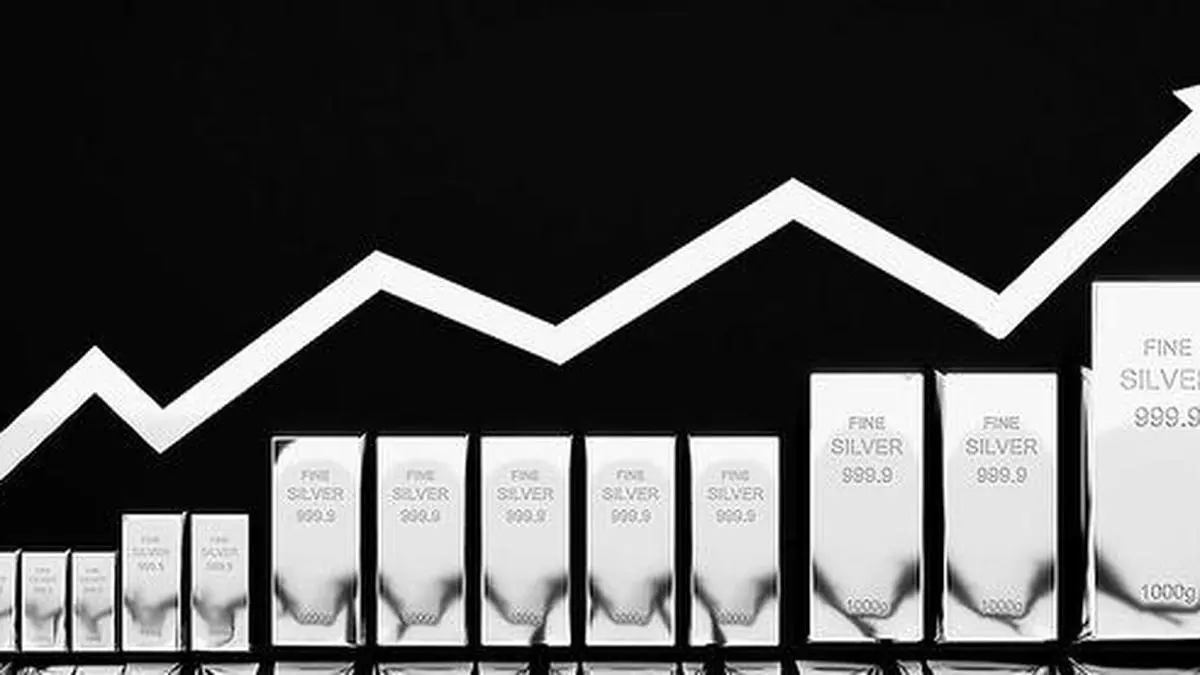
White precious metal rallies above $79 as futures volatility forces bigger margins
The price of the white precious metal climbed past $79 an ounce, prompting the exchange to raise the cost of trading March futures. The CME announced an increase in the initial margin requirement for March contracts to $25,000, a move aimed at cushioning clearinghouses and brokers against heightened market swings.
What pushed the price higher?
Several factors typically drive sudden gains in metals markets, and traders pointed to a mix of supply-demand dynamics and broader financial-market conditions. Key influences include:
- Safe-haven buying: Periods of uncertainty in equities or fixed income often boost interest in precious metals as investors seek portfolio protection.
- Currency and rate expectations: A softer U.S. dollar or shifts in interest-rate outlooks can lift dollar-priced commodities, making them cheaper for holders of other currencies.
- Physical and investment demand: Flows into coins, bars, and exchange-traded products can create pressure on available supply, amplifying price moves.
Market participants generally saw the price move as a reflection of short-term volatility rather than a long-term structural shift, though elevated interest in the metal remains visible across several trading venues.
Why the CME increased initial margins
Initial margins are collateral amounts required to open a futures position. They protect clearing firms from the risk that a trader cannot meet losses if a position moves sharply against them. By raising the initial margin on March futures to $25,000, the exchange is mandating higher upfront capital to trade those contracts.
This action typically follows one or more of the following conditions:
- Rising daily price volatility: Large intraday moves increase potential losses, so margins are lifted to maintain clearinghouse safety.
- Concentration of positions: When many traders hold large, correlated bets, clearinghouses seek greater buffers to mitigate systemic risk.
- Regulatory prudence: Exchanges adjust margin models regularly to reflect current market stress and protect market integrity.
Implications for traders and investors
The margin hike has immediate and practical consequences for those active in the futures market:
- Higher capital requirements: Traders need more cash or collateral to initiate or maintain positions, which can deter speculative volume.
- Possible reduction in leverage: Smaller or retail traders may be forced to lower their exposure, reducing the risk of forced liquidations but also dampening liquidity.
- Wider spreads and cautious market-making: Some liquidity providers may scale back activity until volatility subsides, potentially widening bid-ask spreads.
For long-term investors not using futures, these mechanics matter indirectly. Increased margin requirements can cool speculative activity and sometimes moderate extreme price moves, but they do not change the fundamental supply and demand drivers for the physical market.
How to approach the market now
Given the elevated price and higher margin backdrop, market participants may consider the following practical steps:
- Reassess risk tolerance: Ensure any exposure matches your capital and time horizon, particularly when volatility is elevated.
- Use appropriate position sizing: Limiting position sizes helps manage the risk of margin calls and forced liquidations.
- Monitor liquidity conditions: Be aware that rapid price moves can widen spreads and slow fills, impacting trade execution.
Outlook
Short-term movements are likely to remain sensitive to macroeconomic news, currency moves and investor sentiment. The exchange’s margin move underscores the current volatility and the need for extra caution among leveraged traders. Over a longer horizon, fundamentals such as industrial demand, mine output and investor interest will continue to shape the metal’s direction.
For now, the market is watching closely to see whether the price holds above the recent highs or if the margin increase will cool speculative pressure and slow momentum.