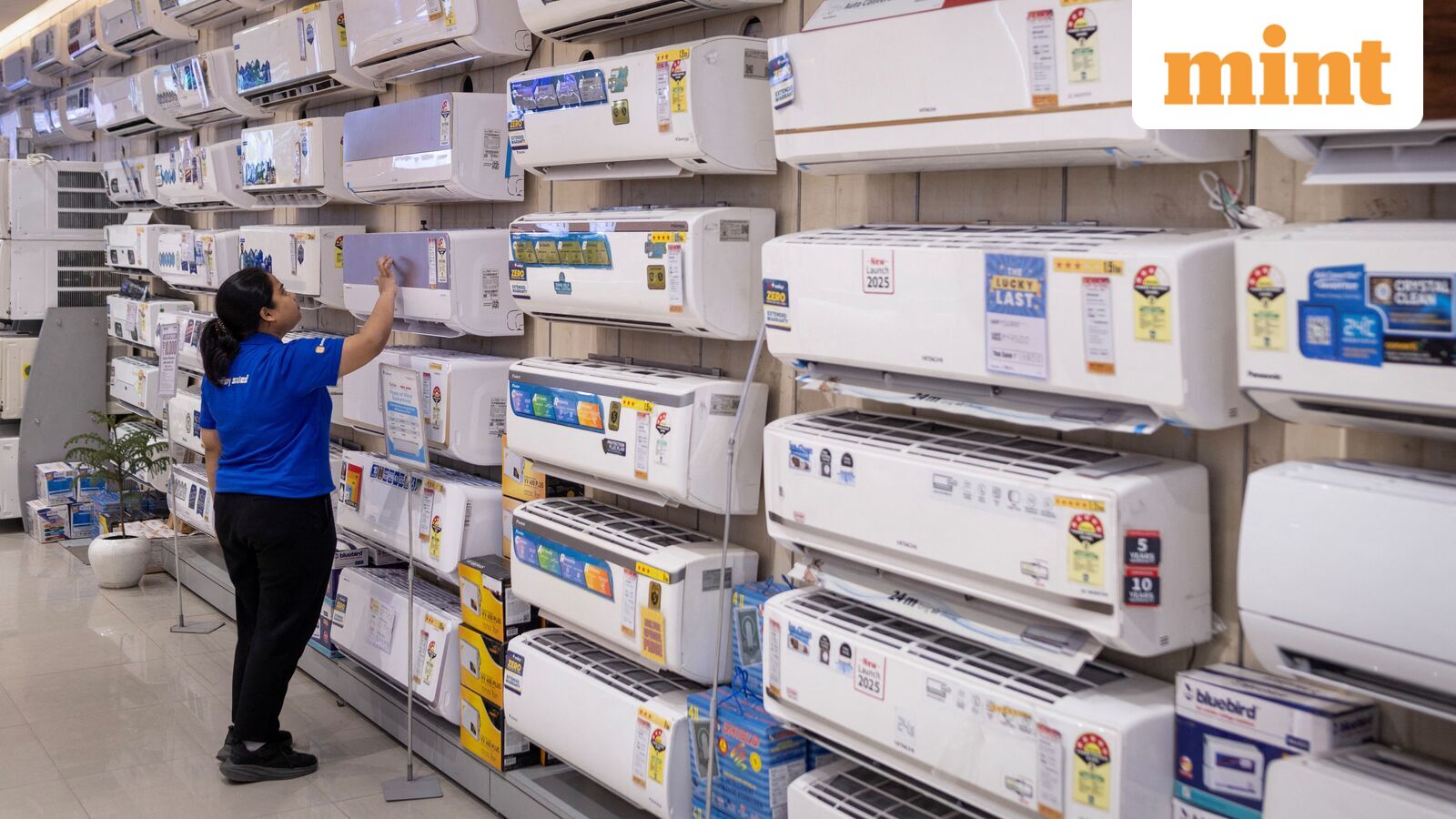
Stricter energy rules set to reshape the AC market
New energy efficiency norms scheduled for 2026 are poised to change how air conditioners are made, sold and priced in India. The standards aim to cut power consumption and emissions, but they also raise manufacturing costs. As a result, industry watchers expect retail prices to go up — even as tax changes could soften the impact for consumers.
Why prices are likely to climb
Higher efficiency standards typically demand better components and more advanced technologies. Manufacturers will need to invest in improved compressors, more efficient heat exchangers, stronger testing, and redesigned models to meet the stricter benchmarks. Those investments and higher input costs usually translate into higher sticker prices for consumers.
GST cuts could partially offset increases
At the same time, recent moves to reduce the Goods and Services Tax on certain appliances may offset part of the price rise. Lower GST reduces the immediate tax burden on a sale, which can help keep retail prices more affordable even as production costs increase. The net effect will depend on how much tax relief is passed on by manufacturers and retailers.
Market outlook: short-term boost, then a moderation in volumes
Analysts expect a mixed market response. There may be a short-term revival in demand as consumers and businesses rush to replace older units before new rules take effect. This pre-buying behavior can temporarily lift sales.
However, forecasts also point to a larger adjustment once the norms kick in. Market models suggest AC volumes could fall by about 10–15% in FY2026. Higher upfront prices, longer replacement cycles, and shifts in buyer preferences toward fewer but more efficient units are likely contributors to that decline.
How manufacturers are likely to respond
- Product mix changes: A stronger focus on inverter and premium models that already meet higher efficiency targets.
- Cost management: Efforts to optimize supply chains, secure higher-quality components at scale, and redesign models for cost-efficiency.
- Pricing strategies: Selective price increases, bundled offers, and incentives to smooth the transition for price-sensitive buyers.
What this means for buyers
Buyers face a trade-off. Newer, more efficient models will cost more upfront but will use less electricity over time, lowering running costs. If GST reductions are passed on, the immediate price rise may be smaller than expected. Consumers who prioritize lower monthly bills and environmental benefits may find the new models attractive, while very price-sensitive buyers could delay purchases.
Practical tips for consumers
- Compare expected lifetime energy savings against any extra upfront cost.
- Watch for seasonal sales and manufacturer offers — these can offset higher prices.
- Consider inverter technology for better long-term efficiency, especially if you run your AC for many hours daily.
Bottom line
Stricter energy efficiency norms in 2026 will reshape the Indian air conditioner market. While higher manufacturing costs are likely to push prices up, GST reductions may ease the burden for buyers. The near term could see a demand uptick as purchases are pulled forward, but market forecasts point to a 10–15% fall in AC volumes in FY2026 as the market adjusts. Manufacturers, retailers and consumers will all need to adapt — balancing upfront cost, long-term savings and changing product choices.