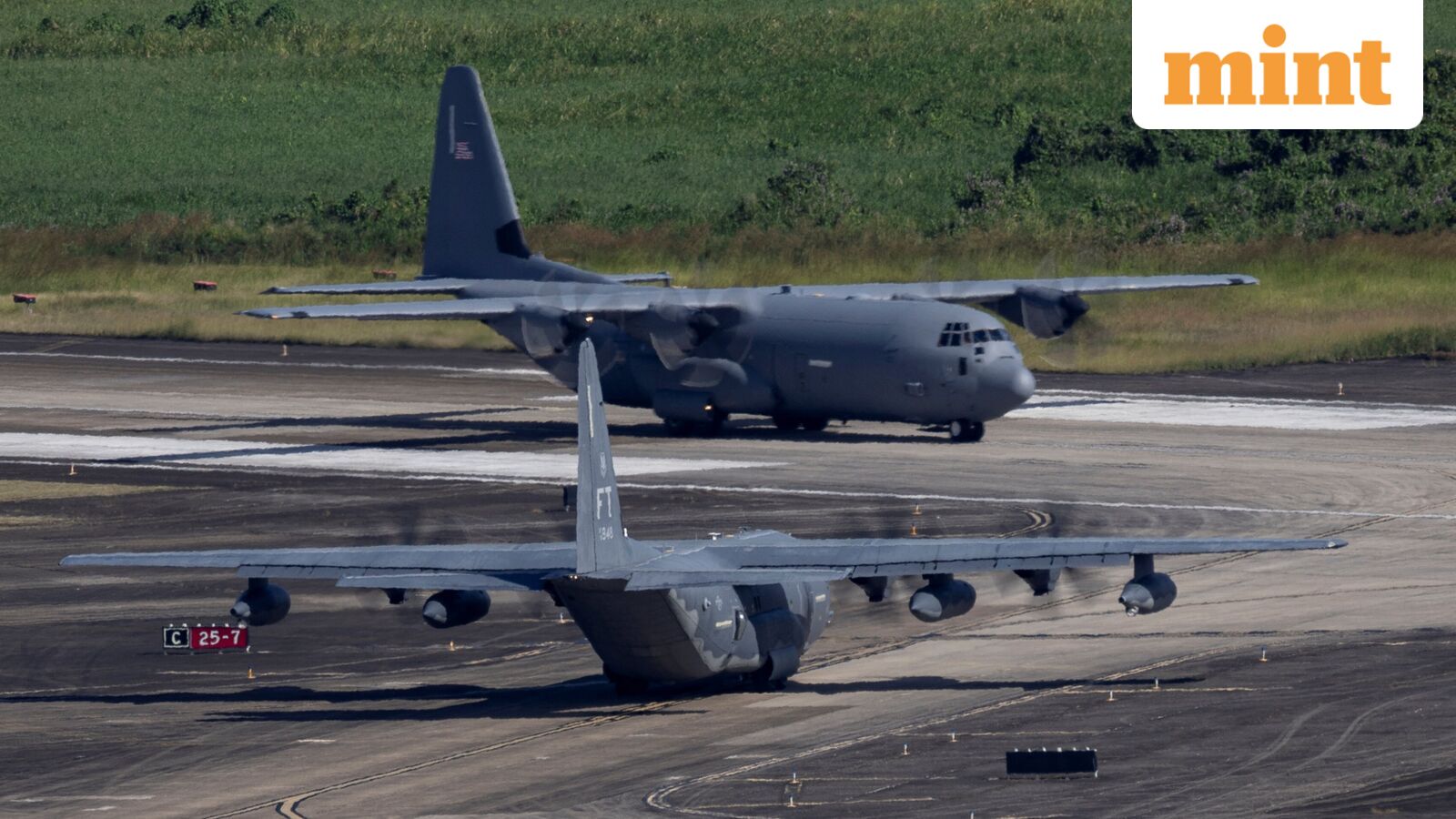
Lockheed Martin pitches C-130J as solution for India’s tactical airlift needs
Lockheed Martin has presented its C-130J military transport aircraft as the “best” option to meet the Indian Air Force’s tactical airlift requirement, and has proposed establishing a production hub in India. New Delhi is preparing to buy up to 80 military transport planes as part of a major modernization push.
What the C-130J brings to the table
The C-130J is a well-known tactical airlifter with a long service record in multiple countries. The maker highlights several practical strengths that it says match India’s needs:
- Operational flexibility: Able to operate from short or austere runways and perform varied roles such as troop and equipment transport, aerial delivery, medical evacuation and humanitarian missions.
- Proven reliability: Decades of global operations provide a strong logistics and maintenance ecosystem.
- Interoperability: Compatibility with existing allied systems and common training and sustainment practices.
- Scalability: Ability to support both routine logistics and surge operations during crises or disaster response.
Production hub in India — what it could mean
Proposing a production hub in India signals a focus on local industrial participation. A locally based assembly or production line would typically aim to:
- Support national manufacturing priorities and local supplier development.
- Create jobs and transfer key skills and technologies to domestic firms.
- Improve lifecycle support by establishing regional maintenance, repair and overhaul (MRO) capacity.
- Potentially reduce delivery times and enhance sustainment affordability over the long term.
Strategic and operational implications for the Indian Air Force
If India proceeds with a significant acquisition, the impact would be wide-ranging. Modern tactical transports can:
- Strengthen strategic mobility across India’s vast geography and challenging operating environments.
- Enhance rapid response ability for humanitarian relief, disaster response and internal security support.
- Improve the Air Force’s capacity to move heavy equipment and maintain logistics lines during contingencies.
Industrial and economic effects
Beyond defense capability, a production hub and large procurement contract would have commercial benefits:
- Boost to local aerospace suppliers and subcontractors through sustained orders and partnerships.
- Potential for export opportunities if co-production creates a competitive regional offering.
- Long-term maintenance and training work that supports an indigenous defense ecosystem.
Next steps and competition
India’s plan to procure up to 80 military transport aircraft means a multi-billion dollar, multi-year program with rigorous evaluation. The procurement process typically includes trials, technical assessments and industrial negotiations. Multiple global platforms are likely to compete for the contract, and final decisions will weigh operational fit, lifecycle cost, industrial participation and strategic considerations.
As the procurement process advances, decisions on aircraft type and the structure of any local production will shape both the Indian Air Force’s future mobility and the domestic aerospace industry for years to come.