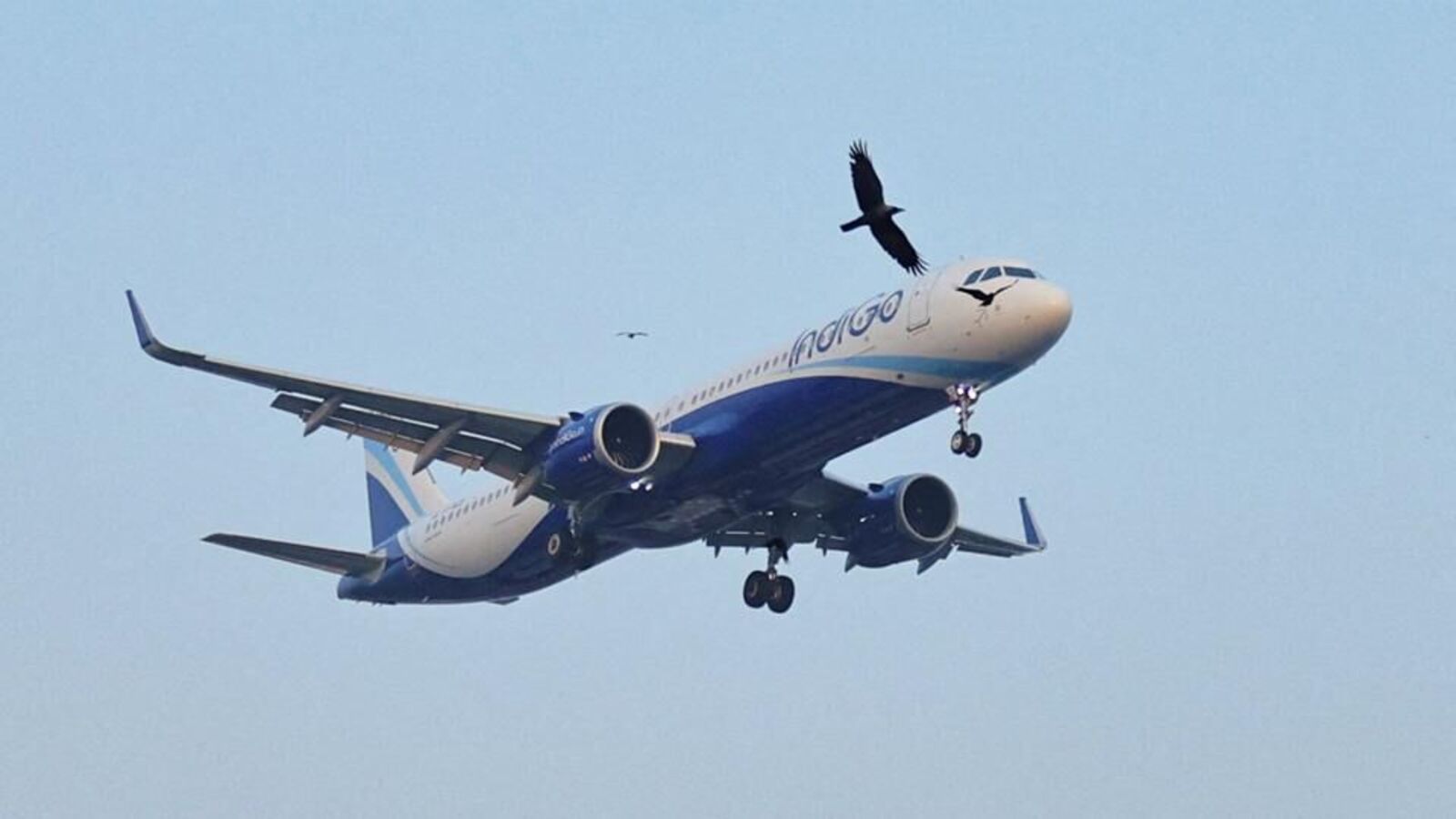
IndiGo has revised its cockpit crew allowances, a move that takes effect on 1 January 2026. The airline has increased payments for several allowance categories — including domestic layovers, deadhead, night, tail-swap and transit allowances — with the stated aim of supporting pilots and stabilising flight operations after the carrier cancelled roughly 4,500 flights earlier this month.
What changed for cockpit crews
The update adjusts the payout structure for pilots in several specific areas:
- Domestic layover allowance — higher payments for overnight stays between duties on domestic sectors.
- Deadhead allowance — increased compensation when crew are repositioned as passengers to operate a flight elsewhere.
- Night allowance — greater pay for duties that occur during night hours, reflecting the disruption to personal time and sleep.
- Tail-swap allowance — improved pay for operational changes that require crews to swap assigned aircraft.
- Transit allowance — enhanced payments for short stopovers between flights.
Why the airline made the change
The revisions come as part of an effort to shore up pilot support and operational reliability following a period of significant disruption. The airline cancelled about 4,500 flights earlier this month, creating pressure on schedules, crew rosters and customer confidence. Enhanced allowances are intended to help retain crew, reduce fatigue-related issues, and give schedulers more flexibility when dealing with irregular operations.
Potential implications
- Pilot morale and retention: Better pay for disrupted or inconvenient duty patterns may improve morale and reduce attrition among cockpit crew.
- Operational stability: Higher allowances can make it easier to fill last-minute roster gaps by compensating crews for changes, which could reduce future cancellations and delays.
- Cost considerations: The move will raise operating costs. Management will need to balance these extra costs against the benefits of fewer disruptions and improved reliability.
- Industry ripple effects: Other carriers may review their own crew pay and policies if the changes materially affect staffing competitiveness or crew movement between airlines.
What stakeholders will watch next
- Whether cancellations and irregular operations decline in the months after the allowances take effect.
- How pilots and unions respond — whether they view the changes as meaningful improvements or as a partial measure.
- Financial impact on quarterly results as the airline absorbs higher crew-related expenses.
- Whether rival carriers adjust their allowances or recruitment offers in response.
The allowance revisions are a clear signal that the carrier is taking crew welfare and operational reliability seriously. As the changes roll out at the start of 2026, industry observers and passengers alike will be watching for improvements in schedule stability and service consistency.