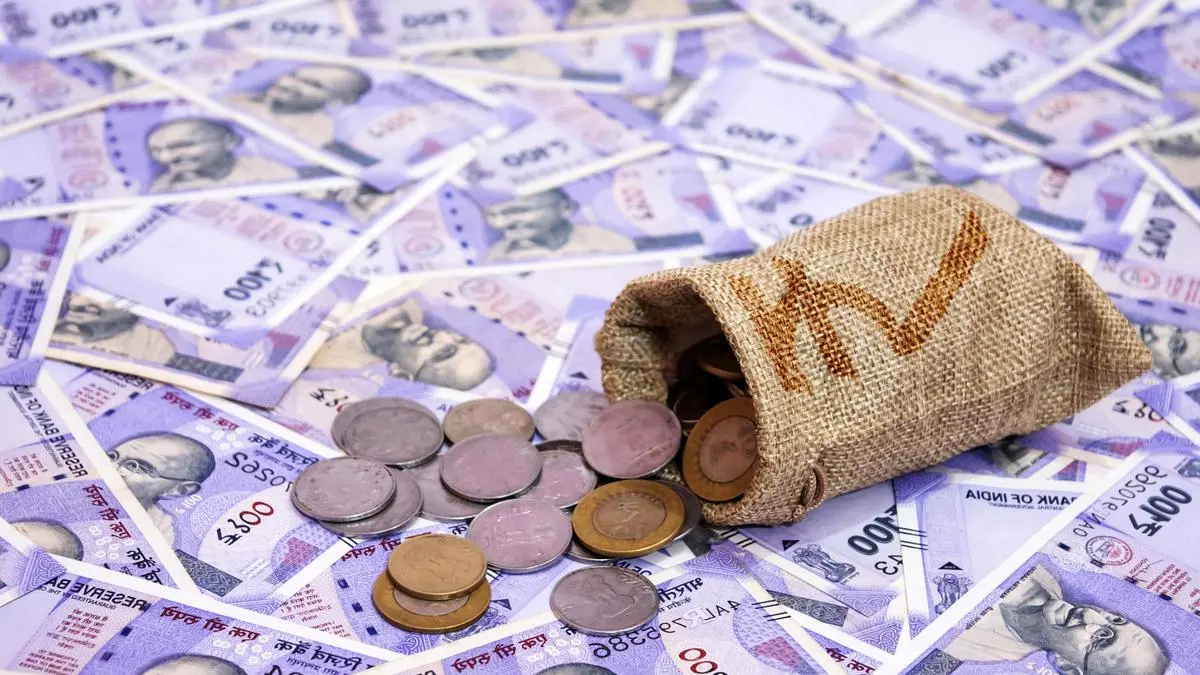
Rupee ends 2025 on a soft note, closes at 89.88 against the dollar
On the last trading session of 2025, the Indian rupee slipped further, depreciating by 13 paise to close at 89.88 against the US dollar (provisional). Month-end dollar demand and active dollar buying by foreign portfolio investors (FPIs) were the main drivers behind the weakness.
Closing snapshot
- Rupee close (provisional): 89.88 per US dollar
- Change on day: down 13 paise
- Previous close: 89.75 per US dollar
Why the rupee weakened
Several factors combined to keep the rupee under pressure at the end of the year:
- Month-end dollar demand: Corporates and banks often require dollars for settlements and working capital at the month end, increasing spot demand for the greenback and pushing the rupee lower.
- FPIs’ dollar buying: Portfolio investors converting proceeds into dollars — whether to repatriate funds, rebalance positions, or hedge exposure — added to dollar demand, further straining the local currency.
- Global cues: A generally firmer US dollar and movements in global bond yields typically influence the rupee, with strength in the dollar making emerging market currencies more vulnerable.
What this means for markets and businesses
The depreciation, while moderate, has practical implications across the economy:
- Importers and oil buyers: A weaker rupee raises the cost of imports, including crude oil, which can feed into higher input costs for companies and potentially nudge inflation upward.
- Exporters: Export-oriented firms may gain from a softer rupee, as their earnings in dollars translate to higher rupee revenues.
- Corporate hedging: Firms with open foreign currency exposures may increase hedging activity to protect margins, which can sustain demand for dollars in the near term.
- Policy watch: The central bank typically monitors such moves; if currency weakness persists, it may consider intervention or rely on macroprudential tools to limit volatility.
Outlook: early 2026
Looking ahead, the rupee’s direction will likely hinge on a few key elements:
- Flows from FPIs — continued outflows or dollar conversions could keep pressure on the currency.
- Global dollar momentum and US interest rate expectations, which influence capital flows into emerging markets.
- Crude oil prices, as higher oil costs can widen the current account deficit and weigh on the currency.
- Domestic economic data and policy signals, including inflation trends and any central bank comments on currency stability.
For traders, corporates, and investors, the start of 2026 will be a period to watch for volatility around these drivers. While a 13 paise move is relatively small in the short term, persistent pressures could widen swings and influence cost structures across sectors.