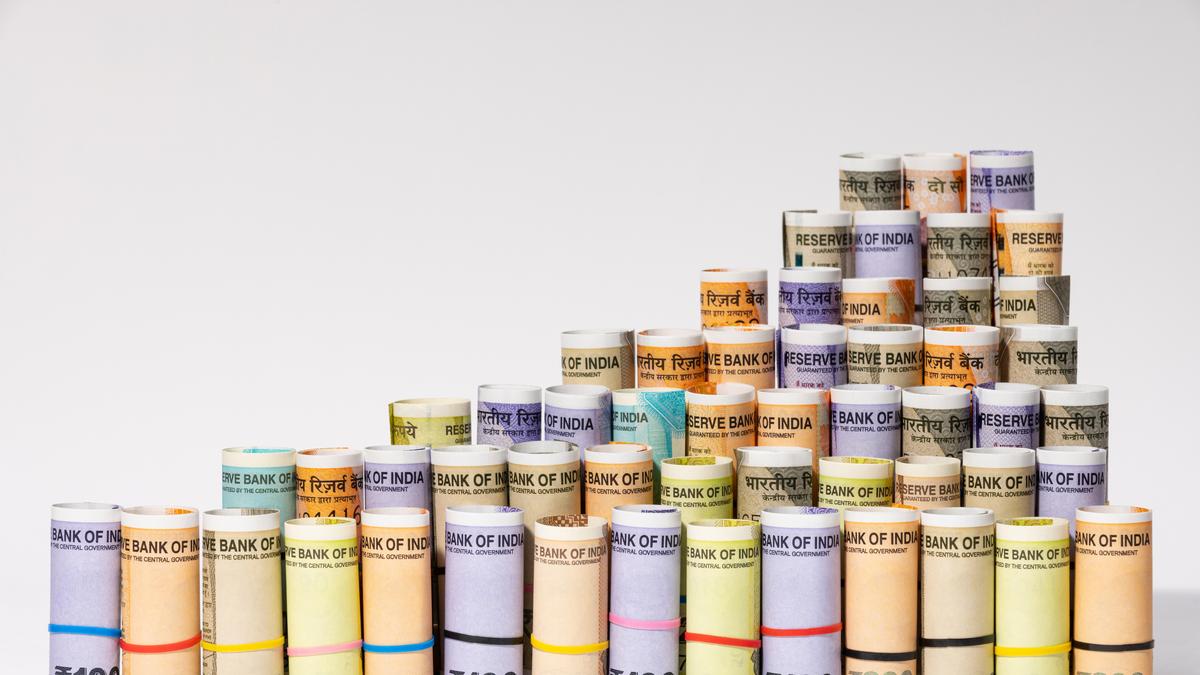
Currency markets under pressure as outflows and import demand weigh on sentiment
Forex traders say persistent foreign fund outflows combined with strong dollar demand from importers have dented investor sentiment, leaving currency markets more vulnerable to sharp moves. The twin forces have kept pressure on many emerging market currencies and raised concerns about renewed volatility.
Why fund outflows matter
When foreign investors pull money from local stocks and bonds, the immediate effect is reduced demand for the local currency. Fund managers typically convert proceeds back into a major currency such as the U.S. dollar, increasing dollar supply in local markets and adding depreciation pressure on the domestic unit.
Outflows can be driven by a range of factors, including global risk aversion, expectations of higher interest rates abroad, or disappointing local economic data. Even without a dramatic event, steady net outflows erode confidence and can trigger self-reinforcing moves as investors reposition for safety.
Importers and the strong dollar
At the same time, importers’ demand for dollars — to pay for energy, raw materials, industrial inputs, or overseas purchases — has been a continuous source of demand for foreign currency. When import volumes are high or hedging activity picks up, that demand can overwhelm typical inflows and reduce central bank room to maneuver.
For economies that rely heavily on imports, especially those priced in dollars, this pattern increases pressure on the exchange rate and can accelerate inflation by making imported goods more expensive.
Immediate market impacts
- Currency depreciation: Persistent outflows and dollar demand push the local currency lower against major currencies.
- Higher volatility: Reduced liquidity makes markets more sensitive to news and large trades, increasing intraday swings.
- Pressure on foreign reserves: Central banks may use reserves to smooth volatility, which can draw down buffers over time.
- Investor risk-off: Local equity and bond markets often suffer as capital flees to safer assets.
How policymakers can respond
Authorities have a limited toolkit but several options can help restore calm. Typical policy responses include:
- Market intervention: Direct FX market purchases to supply dollars or sell the local currency temporarily stabilizes rates.
- Monetary tightening: Raising policy rates can attract capital back into local bonds, supporting the currency but potentially slowing growth.
- Macroprudential measures: Steps like foreign currency hedging rules or higher reserve requirements for certain flows can reduce speculative pressures.
- Communication: Clear guidance on policy intentions and economic plans can calm nerves and reduce the temptation for abrupt repositioning.
What investors and businesses should watch
For investors and corporate treasurers, the current backdrop calls for vigilance and active risk management:
- Hedge exposures: Consider currency hedges for large foreign-currency payables and receivables to limit downside from rate swings.
- Monitor flows: Keep an eye on portfolio flows and central bank reserve changes to gauge stress levels in the FX market.
- Follow policy signals: Central bank statements and government fiscal plans can provide clues about likely interventions or rate moves.
- Diversify funding sources: Tapping different investor bases and currencies can reduce reliance on a single source and lower rollover risk.
Longer-term implications
If outflows persist while import-driven dollar demand remains strong, the cumulative effect can be broader. A weaker currency raises the cost of imports, potentially stoking inflation. That, in turn, can force monetary tightening, which increases borrowing costs for businesses and consumers. Prolonged volatility may deter fresh foreign investment, slowing the recovery in asset prices.
On the flip side, consistent policy action, improved communication, and stabilization in global conditions can rebuild confidence. Restoring a balance between capital inflows and trade-related dollar demand is key for healthier markets and sustainable growth.
For now, market participants will be watching flows, importer activity, and central bank responses closely. These elements will likely determine whether sentiment stabilises or if further market adjustments are ahead.