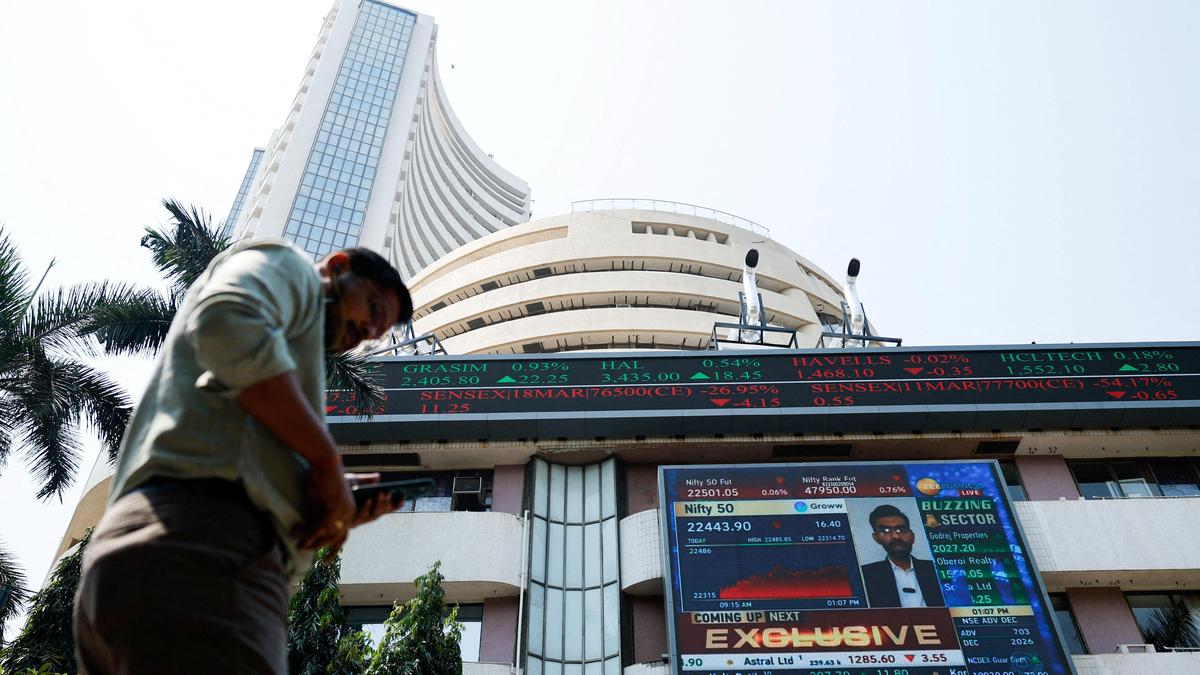
A significant withdrawal of funds followed the largest recorded outflow of ₹1.66 lakh crore ($18.9 billion) in 2025. The event has rippled through markets, raising questions about investor sentiment, liquidity and what may come next for portfolios and policy makers.
What happened
The recent pullback in assets came on the heels of a historic capital flight earlier in the year. While precise details about the latest withdrawal were not disclosed in the headline figure, the context is clear: investors moved large amounts of money out of the market after the peak outflow in 2025, creating fresh pressure on prices and cash positions.
Why investors might be withdrawing
- Profit booking and risk-off sentiment: After long rallies, investors often lock in gains. A big outflow can signal a broad shift from risk assets to safer options.
- Rising interest rates: Higher policy rates or bond yields typically draw capital away from equities and into fixed income instruments, reducing appetite for riskier assets.
- Economic uncertainty: Slower growth, inflation worries or weak corporate earnings can trigger exits as investors reassess future returns.
- Global factors: Geopolitical tensions, changes in global liquidity or foreign investors reallocating across markets can prompt sudden withdrawals.
- Redemptions from retail and institutional pools: Large redemptions from mutual funds, pension funds or other pooled structures amplify outflows and can force asset sales.
Immediate market impact
Big withdrawals affect markets in several direct ways:
- Liquidity squeeze: Fund managers facing redemptions may sell assets quickly, widening spreads and pushing prices down.
- Volatility spikes: Rapid exits often produce sharper day-to-day price swings as buyers step back.
- Pressure on specific sectors: Less liquid segments — small-caps, certain corporate bonds or niche credit — can see outsized moves when liquidity is pulled.
- Short-term yield moves: In bond markets, heavy selling can lift yields, affecting borrowing costs for companies and governments.
Longer-term implications
While a single episode of heavy withdrawals can be disruptive, it can also reveal structural shifts:
- Reallocation of capital: Investors may permanently revise asset allocations, increasing allocations to cash, gold or foreign assets.
- Fund industry adjustments: Asset managers could change product offerings, add liquidity buffers or tighten risk management to handle future redemptions.
- Policy response: Regulators and central banks may intervene indirectly through liquidity facilities, or directly through temporary measures to calm markets.
What individual investors should consider
If you are nervous about withdrawals and market swings, keep these practical steps in mind:
- Review your risk tolerance: Make sure your portfolio matches your time horizon and ability to withstand volatility.
- Diversify sensibly: Spread exposure across asset classes and geographies to reduce concentration risk.
- Maintain liquidity: Keep an emergency buffer so you aren’t forced to sell investments in a downturn.
- Focus on fundamentals: Avoid making reactive moves based solely on headline outflows; instead, assess the quality of the underlying investments.
- Consult a professional: A financial advisor can help tailor actions to your personal situation rather than broad market trends.
What to watch next
Key indicators to monitor in the coming weeks include:
- Flows into and out of major mutual fund categories and ETFs.
- Bond yields and the spread between corporate and government debt.
- Central bank statements and any liquidity measures announced by regulators.
- Corporate earnings and macroeconomic data that could change investor expectations.
Large withdrawals and record-breaking outflows create uncertainty, but they can also present opportunities for disciplined investors. Staying informed, keeping a long-term perspective and ensuring diversification will be important as markets absorb the effects of this notable capital movement.