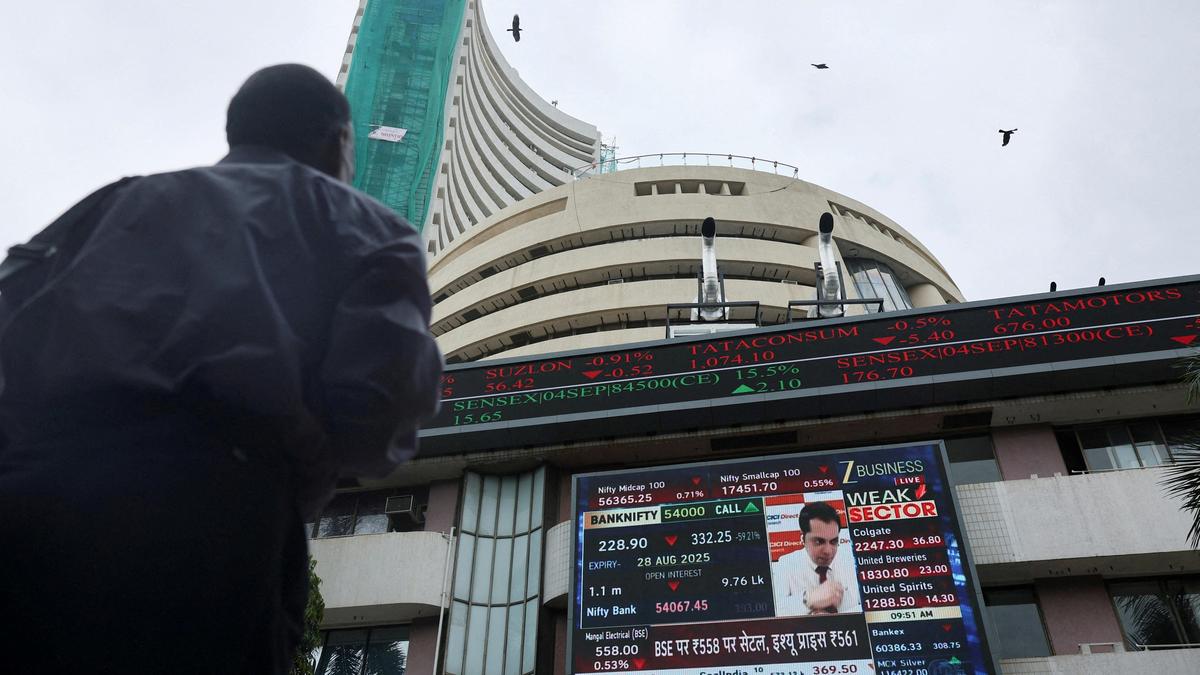
Early trade opened on a cautious note as benchmark indices slipped, with the Sensex falling to 85,636.05 and the Nifty dipping to 26,297.60. The move reflected risk-off sentiment among investors, as markets digested a mix of domestic and global developments.
Market snapshot: early trade cues
The initial session showed broad weakness, with traders reacting to a combination of macroeconomic indicators and external factors. Liquidity, foreign fund flows and commodity prices can all sway market direction in the opening hours, and early activity suggested sellers had the upper hand.
Key takeaways from early trade
- Sensex: 85,636.05
- Nifty: 26,297.60
- Market mood: cautious to negative
- Investors focusing on interest-rate signals, corporate earnings and global cues
What could be driving the fall?
There are a few common reasons markets dip in early trade. While single-session moves often reflect short-term positioning, several factors can amplify selling pressure:
- Global cues: Weakness in major overseas markets, or worries about interest rate paths set by central banks, tend to weigh on domestic indices.
- Foreign institutional flows: Net selling by foreign investors can push indices lower, especially when flows are volatile.
- Macro data and policy expectations: Inflation prints, GDP updates or policy statements that suggest tighter monetary conditions can dampen risk appetite.
- Commodity prices: Sharp moves in crude oil or other key commodities affect inflation outlook and corporate margins, influencing market sentiment.
Sectoral implications
In a broad market downtrend, some sectors typically underperform while others may be defensive:
- Financials and banks: Sensitive to rate expectations and credit growth outlook; they can amplify moves in either direction.
- IT and export-oriented stocks: Vulnerable to currency moves and global demand signals.
- Consumer and FMCG: Often seen as relatively defensive but not immune to market-wide sell-offs.
- Commodities and energy: Directly affected by swings in oil and commodity prices, which feed through to input costs and margins.
What investors should watch next
Traders and investors will be tracking several data points and events through the day that could influence the market direction:
- Global market performance, especially from major indices in the US and Europe.
- Any updates on foreign institutional investor activity and large block trades.
- Domestic macro releases or commentary from policy makers that might change interest-rate expectations.
- Corporate earnings or guidance from heavyweight companies that could sway sectoral sentiment.
Practical advice for investors
Volatile early sessions can be unnerving. Keep these practical points in mind:
- Stay focused on time horizon: Short-term moves often reverse; long-term plans should be driven by fundamentals.
- Manage risk: Use stop-losses, position sizing and diversification to limit downside in volatile markets.
- Monitor triggers: Follow macro and corporate news; unexpected headlines often drive sharp intraday swings.
- Seek clarity, not noise: Avoid impulsive trades based on headline moves alone—look for confirmed trends.
Early trade weakness — with the Sensex at 85,636.05 and the Nifty at 26,297.60 — sets a cautious tone for the session. Investors will be watching incoming data and global developments closely to gauge whether this is a short-lived pullback or the start of a more sustained decline.