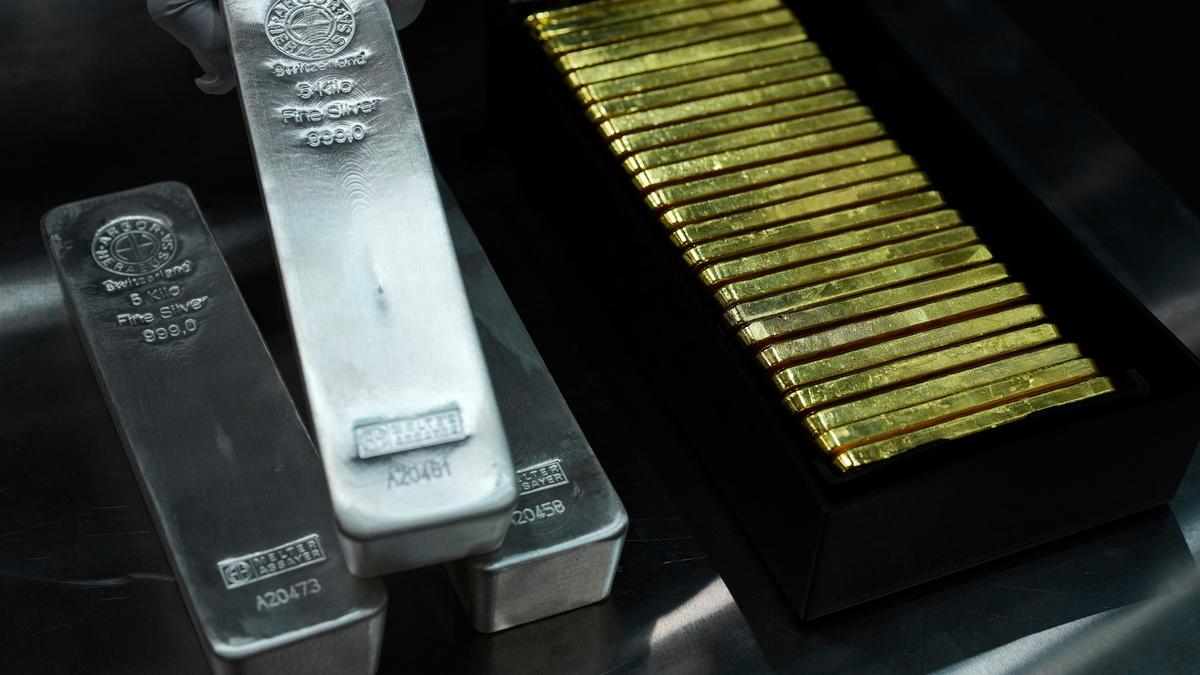
Silver climbs after record year, ends day near $75 an ounce
Spot silver rose 3.9% to $75.46 per ounce, rebounding after briefly touching an all-time high of $83.62 on December 29. The metal capped what analysts are calling its strongest year on record, finishing up an astonishing 147% for the year.
What drove the historic rally?
The surge in silver prices reflects a mix of investor demand, macroeconomic trends and the metal’s unique role as both an industrial commodity and a precious metal. Several factors helped push prices higher:
- Inflation and monetary policy concerns: With worries about inflation and real yields, investors often look to precious metals as a store of value.
- Investment flows: Increased buying from exchange-traded products, retail investors and speculative traders amplified price moves.
- Industrial demand: Silver has wide industrial use, including in electronics and renewable energy technologies, which adds a structural component to demand.
- Supply limitations: Mining output and the pace of recycling can constrain supply, especially when demand picks up quickly.
Volatility and profit-taking after the record high
After the peak on December 29, volatility increased as some investors took profits and others repositioned for the new year. Price swings are common in commodities markets, and silver’s sharp rise over a short period has made moves more pronounced.
Market participants should expect continued choppy trading. Rapid gains can be followed by pullbacks as traders lock in returns or respond to shifting macro signals such as interest-rate expectations and currency moves.
Implications for investors and industry
For investors, silver’s dramatic run highlights both opportunity and risk. The metal’s large percentage gain suggests substantial upside was available, but the same volatility means downside risk can be sizeable.
For industry, higher silver prices can raise input costs for manufacturers that use silver in electronics, medical devices and clean-energy equipment. At the same time, higher prices can spur increased exploration and recycling activity over time.
Key takeaways for market participants
- Silver’s dual role as an industrial metal and a store of value was central to its record year.
- Large gains often bring heightened volatility; investors should assess risk tolerance and time horizon.
- Macroeconomic developments—especially inflation, interest rates and currency moves—remain major drivers of silver prices.
- Supply responses, including mining investment and recycling, tend to lag demand shifts and can prolong price swings.
Outlook: cautious but attentive
Looking ahead, silver’s path will likely depend on a blend of macroeconomic signals and industry fundamentals. If inflation concerns persist and demand from industrial users remains strong, silver could maintain support at higher levels. Conversely, a rapid tightening in monetary conditions or a sharp rally in the dollar could pressure prices.
Investors and businesses with exposure to silver should stay informed, manage risk carefully, and expect continued volatility even after a record-setting year.