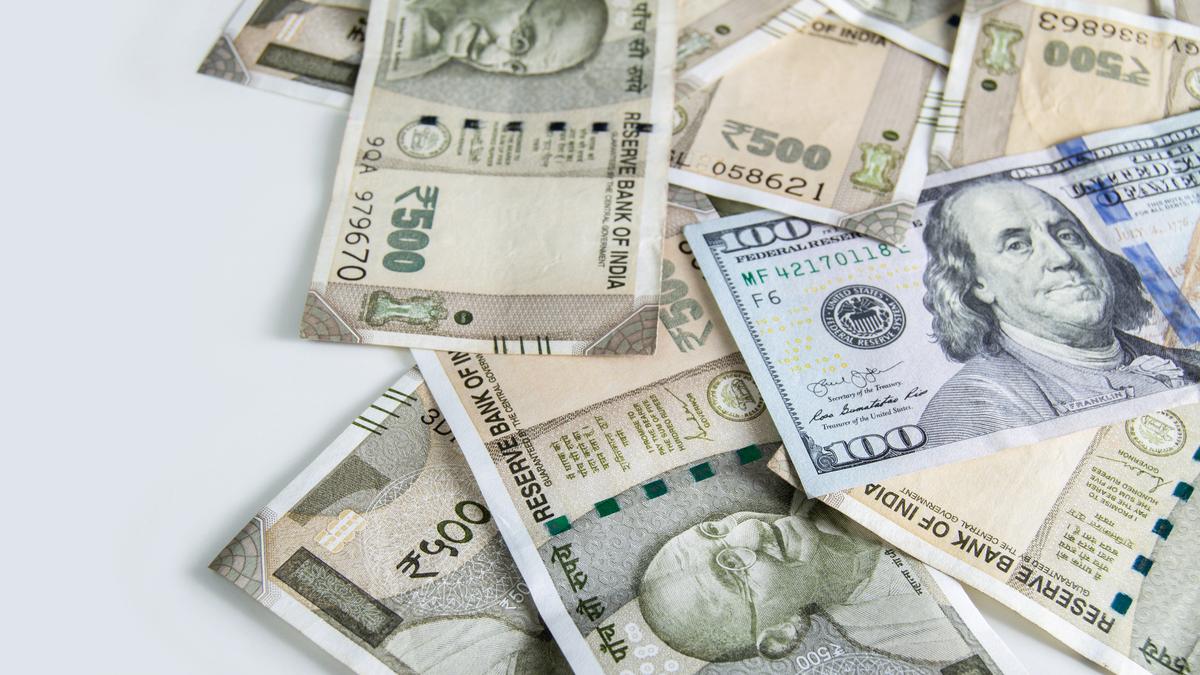
Rupee steadies as opposing forces tug at currency
The Indian rupee managed to hold its ground on January 2 despite a firmer U.S. dollar, helped by weakness in crude oil and renewed foreign investor buying. While safe-haven demand pushed the U.S. dollar index higher, lower oil prices and fresh inflows from foreign institutional investors provided a cushion for the domestic currency.
Why the U.S. dollar strengthened
The U.S. dollar index gained on safe-haven flows. In times of global uncertainty, investors often move into the dollar, seeking stability and liquidity. That broad-based demand lifted the dollar against several major currencies and put pressure on many emerging market currencies, including the rupee.
Key drivers behind dollar strength:
- Risk-off sentiment among global investors.
- Strong demand for dollar-denominated assets as a liquidity haven.
- Market sensitivity to global economic and geopolitical cues.
What cushioned the rupee
Two main factors helped limit the rupee’s losses on January 2: falling crude oil prices and net inflows from foreign institutional investors (FIIs).
- Crude oil weakness: India is a large importer of oil, so lower crude prices reduce the country’s import bill. That eases demand for foreign currency to pay for energy imports and can support the rupee.
- FII inflows: Foreign institutional investors returned to buying on January 2, providing fresh dollars into equity and debt markets. These inflows directly bolster foreign exchange reserves and help stabilise the currency.
Market impact and what it means for businesses and consumers
Even small movements in the rupee can matter. A stable or slightly stronger rupee helps contain input costs for import-dependent businesses and can moderate inflationary pressures over time. Conversely, a sustained dollar rally that outpaces oil-driven relief and FII flows could raise costs for importers and put upward pressure on consumer prices.
For exporters, a firmer dollar can be beneficial, improving competitiveness in overseas markets. For borrowers with foreign-currency exposure, however, continued dollar strength could increase repayment costs.
What to watch next
Traders and businesses should keep an eye on a few variables that could influence the rupee in the near term:
- Global risk sentiment: Any shift toward risk aversion tends to strengthen the dollar and pressurise emerging market currencies.
- Crude oil price movements: Sustained declines in oil prices would reduce India’s import bill, while a rebound could widen the current account deficit and weigh on the rupee.
- FII flows: Continued net inflows support local markets and the currency; outflows would have the opposite effect.
- Major economic data and central bank cues: U.S. economic releases and commentary from major central banks can drive dollar moves, and domestic policy statements can influence investor sentiment at home.
Near-term outlook
With the dollar strengthened but offset by softer oil and FII support, the rupee is likely to remain range-bound in the near term unless one of these forces dominates. Businesses, importers and exporters should monitor global cues closely and consider hedging strategies if they face significant currency exposure.
Overall, the tug-of-war between safe-haven demand for the dollar and domestic buffers such as lower oil costs and foreign inflows will continue to shape the rupee’s path in the days ahead.