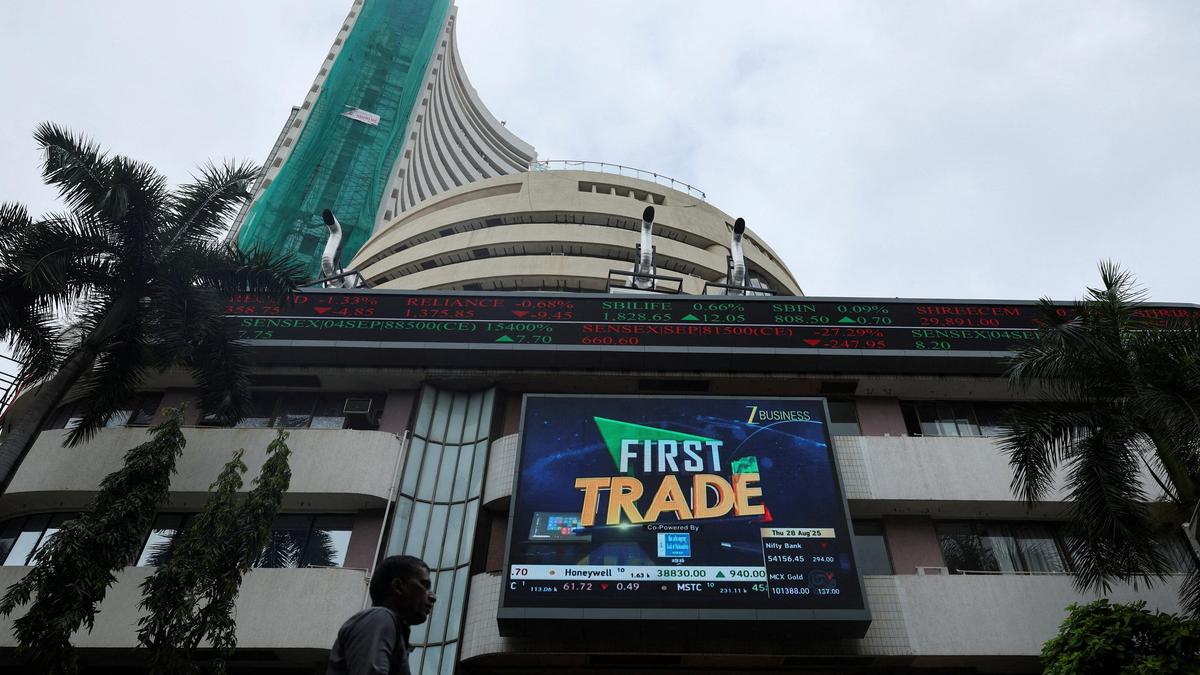
Market snapshot: notable laggards surface
Markets saw pressure during the session, with a handful of large-cap names among the day’s underperformers. Reliance Industries, Tata Motors Passenger Vehicles, Eternal, HDFC Bank, and Adani Ports stood out as notable laggards, weighing on broader sentiment.
Why these stocks underperformed
There isn’t a single reason for the weakness. Often, a mix of company-specific news, sector rotation and broader macro cues drives the move. Here are the likely contributors behind the weakness in these names.
Company and sector factors
- Reliance Industries: Concerns around capital allocation, timing of new investments, shifts in oil and petrochemical margins, or short-term profit booking can pressure this stock. Large conglomerates also react strongly to hints about strategy or regulatory developments.
- Tata Motors Passenger Vehicles: Auto names are sensitive to demand trends, input-costs and supply-chain disruptions. Any downgrade to sales outlook, slower-than-expected retail demand, or margin compression often triggers selling in passenger-vehicle divisions.
- Eternal: Smaller or mid-cap firms can be more volatile. Earnings misses, margin swings, or negative newsflow specific to the company’s business lines tend to translate quickly into share-price weakness.
- HDFC Bank: Banks trade on loan growth, net interest margins and asset-quality signals. Even minor concerns about credit trends, rising funding costs or regulatory shifts can make investors take profits in heavyweight banking stocks.
- Adani Ports: Port operators depend on cargo volumes, freight rates and trade activity. A drop in imports/exports, softer container volumes or worries about infrastructure spending can dampen sentiment.
Macro and technical pressures
Beyond company details, broader influences matter. Global rate expectations, a risk-off mood, dollar strength, or weak macro data can pull down high-beta and large-cap names alike. Technical selling around key index levels also amplifies moves—when heavyweights slip, it can trigger index-related selling that puts further pressure on the market.
What investors should watch next
- Earnings and guidance: Upcoming quarterly numbers and management commentary will be crucial. Look for updates on volume trends, margins, capex plans and outlooks.
- Macro indicators: Inflation prints, central bank comments and trade data influence sentiment and can shift sector leadership quickly.
- Commodity and freight trends: For Reliance and Adani Ports, crude, petrochemical spreads and shipping rates are relevant. Movement in these can meaningfully affect profitability.
- Sector-specific alerts: For autos and banks, monitor data on vehicle registrations, credit growth, non-performing assets and policy updates.
- Valuation and technical levels: If you hold any of these names, check key support zones and assess whether current prices reflect fundamentals or short-term noise.
Practical tips for investors
- Keep positions sized to your risk tolerance. Large-cap volatility can spike in both directions.
- Use dips to review fundamentals rather than reacting to headlines. Distinguish between temporary setbacks and structural changes.
- Diversify across sectors to reduce single-stock or sector risk.
- Set clear entry and exit rules, especially when markets are choppy.
Bottom line
Short-term sell-offs can create buying opportunities, but they can also signal underlying weakness. For the laggards—Reliance Industries, Tata Motors Passenger Vehicles, Eternal, HDFC Bank and Adani Ports—investors should focus on upcoming earnings, sector dynamics and macro trends to decide whether to hold, trim or add to positions. A measured, research-driven approach will help navigate the volatility.