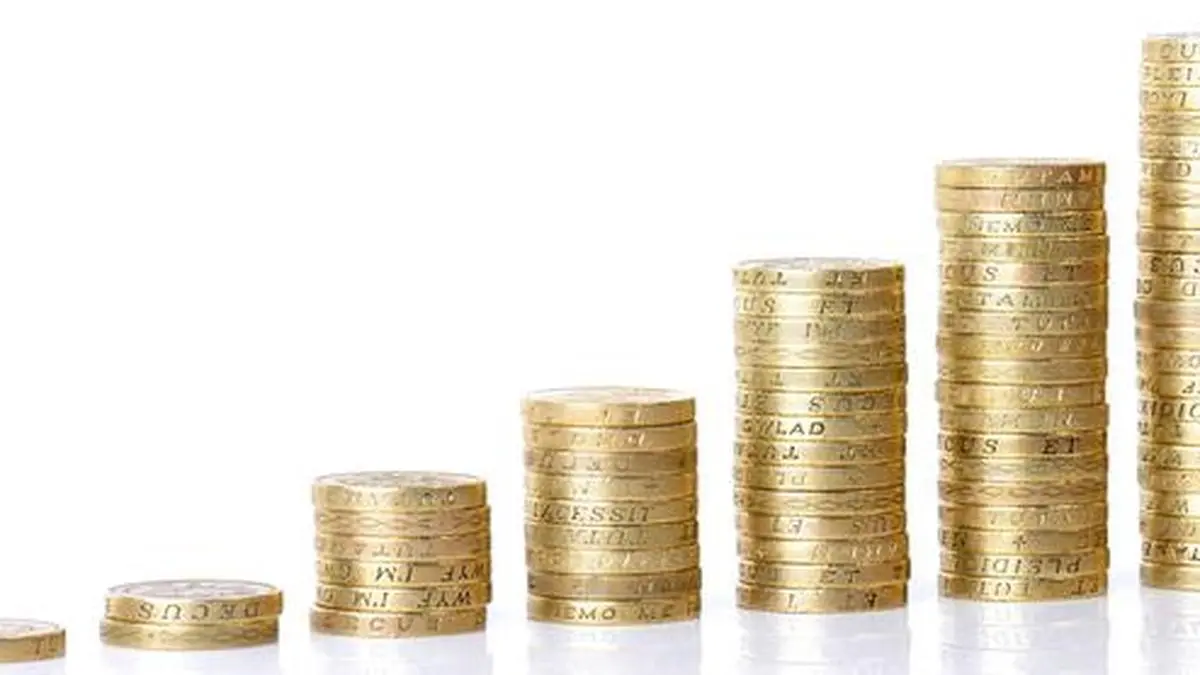
The market value of household gold has risen sharply and now stands at nearly 80% of national GDP. This reflects both decades of steady accumulation by families and a recent surge in gold prices. The result is a huge stock of private wealth held in the form of jewelry, coins and bars, with broad implications for households, markets and policy makers.
What we mean by household gold
Household gold refers to gold owned by private individuals and families. It includes:
- Jewellery kept for personal use or as a store of value
- Investment gold such as coins, bars and bullion held at home or in safe deposit boxes
- Gold gifts and heirlooms passed down through generations
This is distinct from central bank reserves or corporate holdings. Household gold is often a form of informal savings and plays a cultural role in many societies.
Why the value has climbed to nearly 80% of GDP
Two main forces explain the rise in household gold’s market value:
- Long-term accumulation: Over many decades, households have steadily accumulated gold. Cultural practices, weddings, festivals and limited access to formal financial products have encouraged using gold as savings and insurance.
- Sharp increase in gold prices: Global and domestic price gains have amplified the value of existing holdings. When gold prices rise, the book value of a lifetime of jewellery and small investments jumps quickly.
How accumulation and price moves interact
Even modest annual additions to household gold holdings add up over generations. When these accumulated stocks are revalued at higher market prices, the increase can outsize annual income or savings flows. That is why a combination of steady buying and strong price appreciation pushed household gold close to the size of the economy.
Implications for households and the economy
A household sector with such a large gold stock affects several parts of the economy:
- Wealth storage: Gold acts as a tangible store of value that households can draw on in emergencies or to pay for important life events.
- Liquidity and opportunity cost: While gold holds value, it is less liquid than bank deposits and can carry costs when converted to cash, including making charges or discounts from dealers.
- Consumption and savings patterns: Large holdings of gold can influence how people save and spend. For some, gold replaces formal financial instruments; for others, it complements bank savings and investments.
- Monetary and financial stability: High private holdings of gold can act as a buffer against inflation or currency weakness, but they also mean a substantial portion of household wealth is outside the banking system.
- Jewellery and retail sectors: Demand for gold jewellery supports artisans, retailers and supply chains—but price volatility can disrupt market activity and consumer buying behavior.
Risks and opportunities
There are both risks and opportunities in having such large household gold holdings:
- Price volatility: Gold prices can fall as well as rise. A drop would reduce household wealth on paper and could affect consumer confidence.
- Security and insurance: Physical gold requires secure storage and often insurance, which raises holding costs for lower-income households.
- Formalisation opportunities: Authorities and financial firms can offer more formal, low-cost ways to hold gold—such as certified, insured vaulting or digital gold products—that reduce costs and improve liquidity.
- Diversification: Households may benefit from greater financial diversification, combining gold with bank deposits, government bonds and other instruments to balance liquidity, risk and return.
What policymakers and markets might consider
Given the scale of household gold relative to GDP, small shifts in behavior or policy could have outsized effects:
- Encourage safe, certified storage and transparent valuation to reduce transaction costs and improve liquidity for households.
- Promote financial literacy so families understand the trade-offs between holding gold and using formal financial instruments.
- Support regulated gold-backed investment options that allow small savers to participate without holding physical metal at home.
- Monitor taxation and regulatory frameworks to balance revenue needs with incentives for formalisation of gold assets.
Bottom line
The near-80% of GDP valuation of household gold highlights how deeply this asset is woven into private savings and cultural practices. It is both a source of resilience and a potential constraint on household liquidity and financial deepening. How households, markets and policymakers respond will shape the economic role of gold in the years ahead.