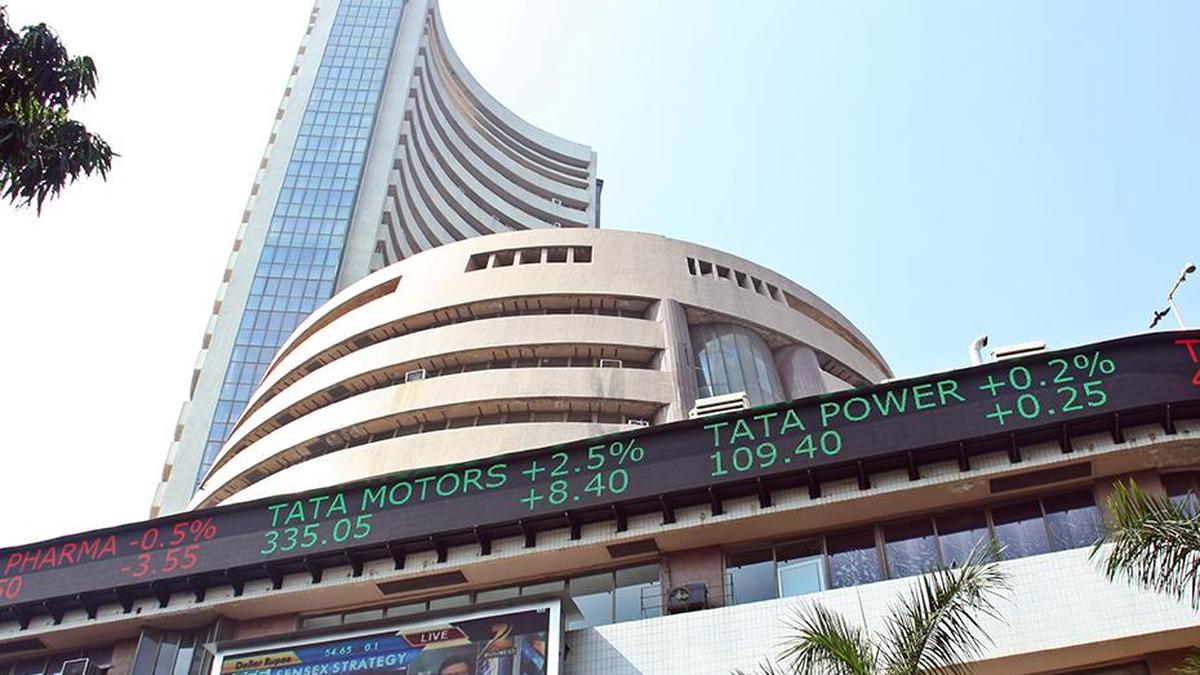
The benchmark indices slipped as selling pressure returned to the market. The Sensex declined to 84,909.30, while the Nifty eased to 26,128.90. The drop reflects a cautious mood among investors after a period of gains, with several factors likely contributing to the pullback.
What may have driven the decline
- Global cues: Weakness in international markets or uncertainty over global growth and interest rates can quickly spill over into domestic markets.
- Profit booking: After recent rallies, some investors may be locking in gains, leading to short-term selling pressure on large-cap names.
- Macro concerns: Fears around inflation, monetary policy changes, or slowing economic indicators often weigh on sentiment.
- Sector rotation: Money moving out of riskier or richly valued sectors into defensive plays can drag headline indices lower.
- Liquidity and flows: Foreign institutional investor flows and domestic fund rebalancing can impact index levels on any trading day.
Market breadth and sector trends
On days when headline indices fall, market breadth often weakens—more stocks decline than advance. Large-cap stocks typically have an outsized influence on Sensex and Nifty moves, so selling in a handful of heavyweights can push the indices down even if many mid- and small-caps hold steady.
Sector-wise, downturns usually see pressure on cyclicals such as banks, auto and capital goods if growth concerns dominate, while defensive sectors like consumer staples and utilities often outperform. Energy and commodity-linked stocks can be sensitive to global commodity price swings.
How investors are likely reacting
- Short-term traders: May trim positions or increase hedges to protect against further near-term weakness.
- Long-term investors: Often view dips as buying opportunities but should reassess positions based on fundamentals rather than short-term noise.
- Risk management: Many participants will be revisiting stop-loss levels and portfolio allocation to align with changing volatility.
What to watch next
- Upcoming economic data and central bank commentary that could shape interest rate expectations.
- Corporate earnings updates and guidance from major companies that can alter sector outlooks.
- Global market developments, including policy moves and commodity price trends.
- Foreign fund flows, which can amplify moves in either direction.
Practical guidance for investors
- Keep perspective: Short-term volatility is part of market cycles. Focus on time horizon and investment goals.
- Diversify: Maintain a balanced portfolio across sectors and asset classes to reduce single-market risk.
- Use disciplined approaches: Systematic investment plans, periodic rebalancing, and predefined exit rules help manage emotions.
- Stay informed: Monitor macro signals and company fundamentals rather than reacting to headlines alone.
Key takeaways
- Sensex eased to 84,909.30 and Nifty dropped to 26,128.90 amid cautious investor sentiment.
- The move likely reflects a mix of global cues, profit-booking and sector rotation.
- Investors should manage risk, keep a long-term perspective, and watch upcoming economic and corporate developments for direction.