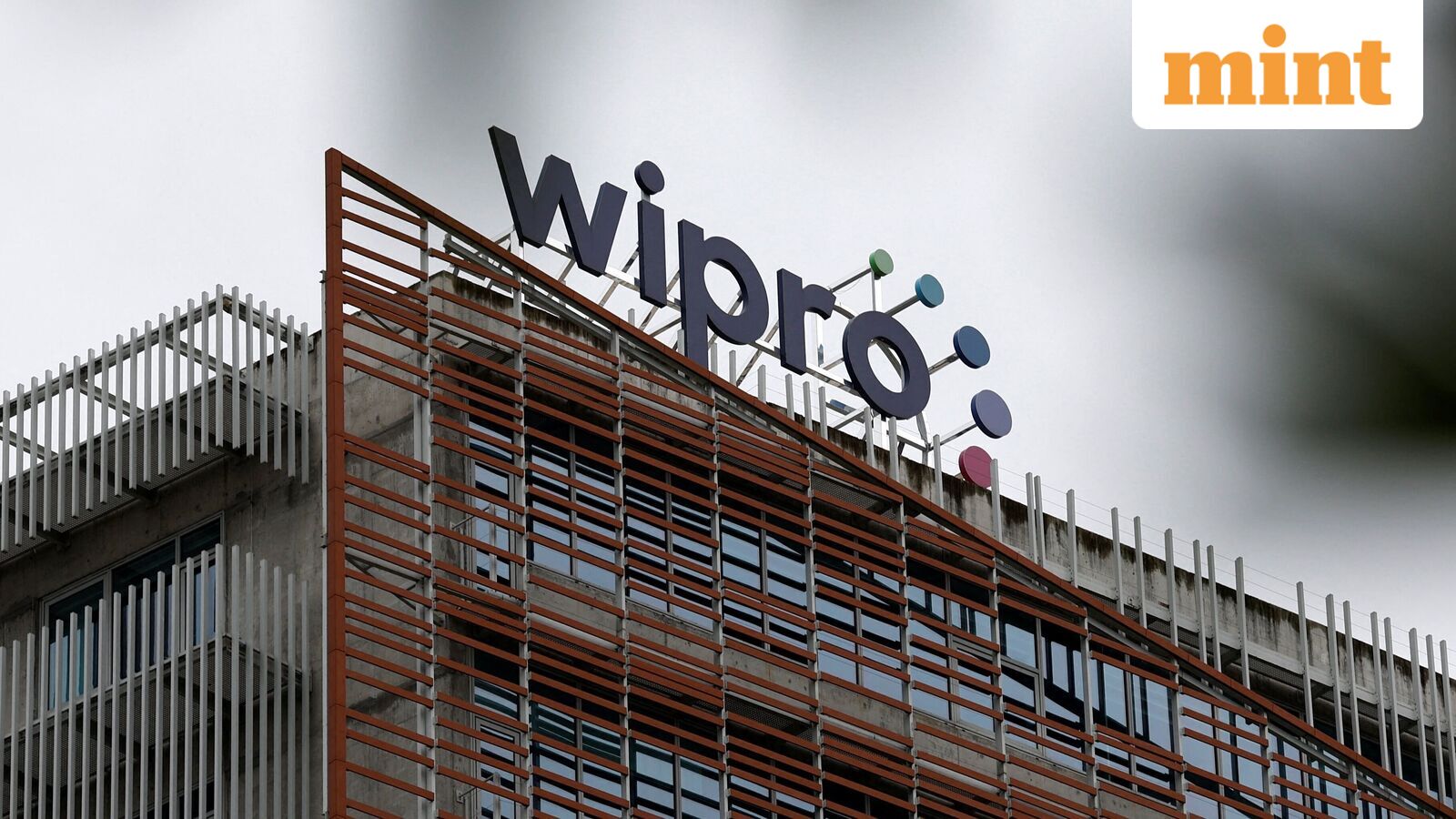
New activity at a familiar site points to an IT-driven rebound
A fresh wave of development at a commercial property — following a significant expansion at the same site last year — is drawing attention. The move is another sign that the IT sector is re-engaging with physical office and campus space, and it highlights a broader resurgence in the commercial real estate market tied to technology companies.
Why the IT sector is returning to commercial real estate
- Collaboration and culture: Many technology teams find in-person work useful for complex problem solving, product design and mentorship. Modern office layouts support that need with flexible meeting spaces and collaboration hubs.
- Infrastructure needs: Advanced connectivity, power redundancy, and secure facilities remain essential for certain tech operations. Buildings that can deliver robust infrastructure attract IT tenants.
- Hybrid models are maturing: Companies are refining hybrid work policies that balance remote flexibility with regular on-site time. This requires thoughtfully designed spaces rather than a simple reduction in footprint.
- Investment in quality space: After a period of uncertainty, firms are willing to invest in higher-grade real estate that offers amenities, sustainability features and long-term operational stability.
What the recent expansion suggests for the market
The latest activity at this site suggests several practical outcomes for landlords, investors and local economies. First, demand for high-quality, tech-ready space is rising again. Second, developers who can upgrade buildings with modern systems and amenities will be better positioned to capture IT tenants. Third, local job markets and service sectors often benefit when technology firms increase their physical presence.
How landlords and developers are responding
- Upgrading technical infrastructure: Fiber, backup power, enhanced cooling and dedicated server rooms are becoming standard selling points.
- Designing for flexibility: Spaces now emphasize modular layouts, collaboration zones and a mix of private and shared work areas.
- Prioritizing sustainability: Energy efficiency, green certifications and healthier indoor environments help attract tenants focused on long-term costs and ESG goals.
- Offering flexible leasing: Shorter terms, phased build-outs and tenant improvement allowances make it easier for growing tech firms to move in.
Considerations for tenants and local officials
- Tenants: Evaluate connectivity, resilience, commute options and workspace design to support your operating model. Consider total occupancy cost, not just rent.
- Developers and landlords: Invest in infrastructure upgrades and amenities that meet the practical needs of tech businesses to keep properties competitive.
- Local governments: Assess how to support infrastructure and workforce development so communities can capture long-term benefits from renewed tech investment.
Looking ahead
The expansion at this site, coming on the heels of last year’s significant growth there, is more than a one-off story. It points to a shift in how technology companies view real estate: not as an expense to minimize, but as a strategic asset to enable collaboration, innovation and resilience. Expect continued interest in properties that can combine modern infrastructure, flexible design and sustainable operations — especially in markets that want to attract or retain tech employers.
For commercial real estate players, the lesson is clear: adapt buildings to the practical demands of the IT sector and the opportunities will follow.