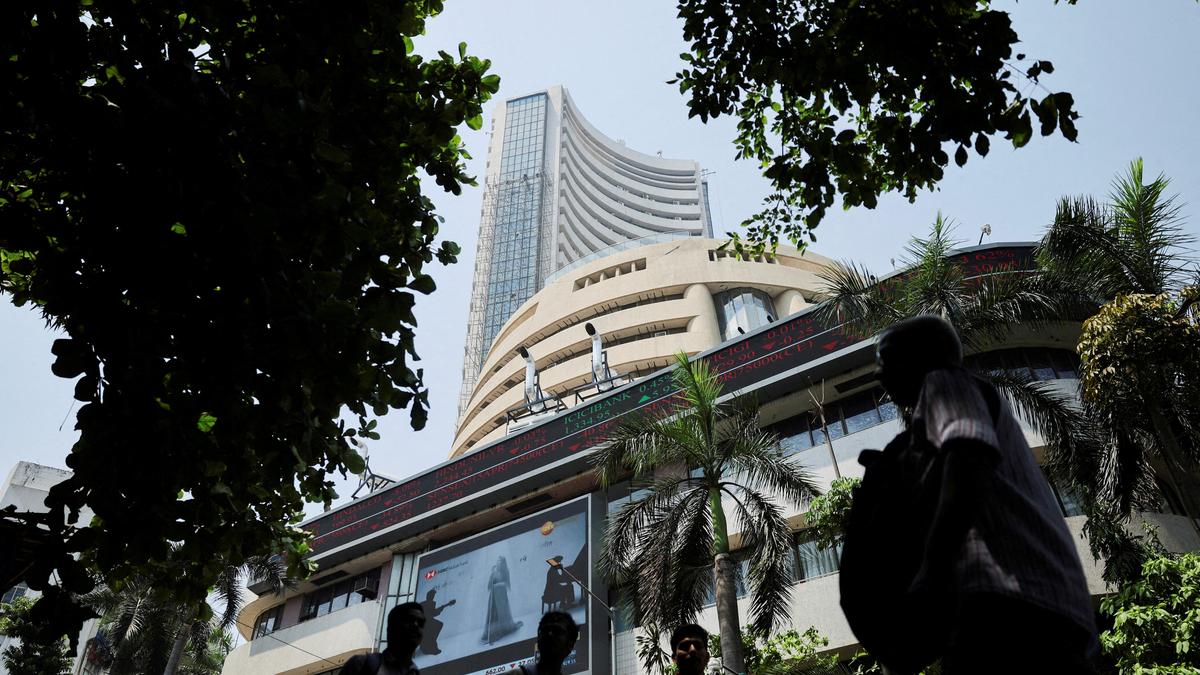
The Indian benchmarks opened lower on Wednesday, with the BSE Sensex slipping 255.86 points to 84,705.28 in early trade while the NSE Nifty eased 65.9 points to 26,074.85. The early fall reflected cautious investor sentiment as markets digested a mix of domestic and global cues.
Market snapshot: early trade figures
- BSE Sensex: down 255.86 points to 84,705.28
- NSE Nifty: down 65.9 points to 26,074.85
Why markets moved lower
The early weakness can be attributed to a few common drivers that often influence opening moves. Profit-taking after recent gains, mixed global signals and shifts in investor risk appetite likely played a role. Traders were also watching for updates on earnings, macro data and any policy cues that could change short-term momentum.
Global cues and macro backdrop
Asian and European markets, overnight developments in US treasury yields, and central bank commentary typically set the tone for Indian markets at the open. When global growth concerns or higher bond yields surface, equity markets can react with risk-off moves. Currency volatility and commodity prices — especially crude oil — also influence market sentiment and domestic sectors.
Sectoral trends to watch
Early declines often show uneven impact across sectors. Financials and cyclical names are sensitive to macro signals and rate expectations, while exporters and IT stocks can be affected by currency moves and global demand. Defensive sectors such as consumer staples and utilities may see less volatility in such sessions.
What investors should watch next
- Key levels: Nifty around the 26,000 mark is a psychological support zone; a sustained break below could invite further selling, while a recovery above the mid-26,000s would be a sign of renewed buying interest.
- Macro events: Keep an eye on domestic economic data, corporate earnings and any central bank communication that could influence interest rate expectations.
- Global developments: US market cues, bond yields and crude oil trends will remain important for direction in the coming sessions.
How different investors might respond
For long-term investors, short-term fluctuations are often best viewed in the context of broader goals and portfolio allocation. Short-term traders may look for volatility-driven opportunities, but should manage risk with clear stop-losses and position sizing. Investors seeking safety might consider defensive sectors or cash until clearer trends emerge.
In short, the early dip in the Sensex and Nifty highlights cautious sentiment at the open. Market direction for the rest of the day will depend on fresh data, global developments and whether buyers step in around key support levels.