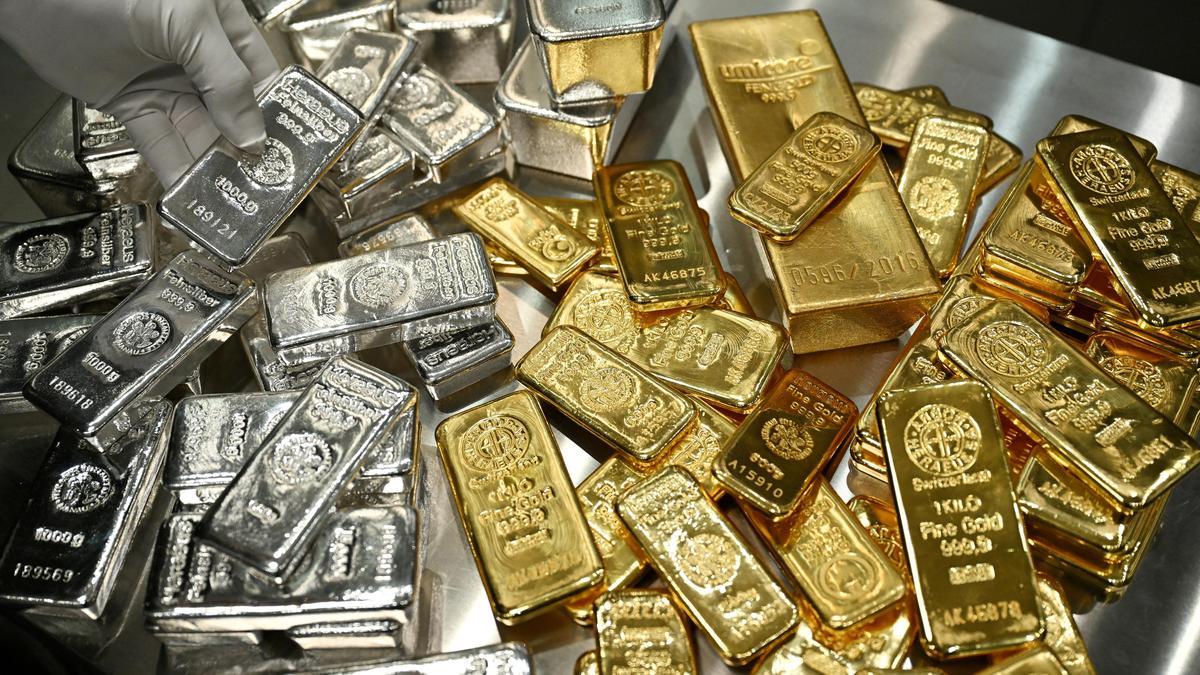
Bullion supported by global uncertainty, geopolitical tensions and ETF inflows
Gold and other forms of bullion have recently drawn fresh attention from investors as a mix of global uncertainty, heightened geopolitical tensions and steady exchange-traded fund (ETF) inflows helped underpin prices. These forces are reinforcing bullion’s role as a safe-haven asset and reshaping demand dynamics across markets.
Why bullion is in focus
Bullion tends to attract capital during periods of market stress or when investors seek protection against currency weakness and inflation. Right now, several overlapping factors are creating that environment:
- Global uncertainty: Economic slowdowns, uneven recovery paths and concerns about growth in major economies prompt investors to reduce risk exposure and increase allocations to precious metals.
- Geopolitical tensions: Conflicts, sanctions, or rising regional instability elevate the perceived safety value of gold, pushing demand higher even when other asset classes experience volatility.
- ETF inflows: Gold-backed ETFs provide an accessible way for institutional and retail investors to gain bullion exposure. Net inflows into these funds translate directly into physical demand or futures purchases, supporting prices.
How ETF inflows influence the market
Exchange-traded funds are a major channel connecting investor sentiment to bullion markets. When ETFs see strong inflows, fund managers buy physical metal or futures contracts to back new shares. This action can tighten available supply and lift spot prices.
Compared with direct physical purchases, ETFs offer liquidity, lower storage hassles and easy trading on exchanges. That convenience has broadened bullion’s investor base and made ETF flows an important short-term driver of prices.
Safe-haven demand and investor behaviour
Bullion’s safe-haven status is most visible during periods of uncertainty. Investors often turn to gold to preserve wealth, hedge against currency depreciation or offset portfolio risk. In such times, even modest increases in demand can have an outsized impact on prices because gold supply is relatively inelastic in the short term.
- Flight to safety: In risk-off scenarios, investors may reduce exposure to equities and increase allocations to gold and other metals.
- Portfolio insurance: Many institutional portfolios include bullion as a hedge against tail risks and inflation surprises.
- Retail participation: Higher visibility for gold via ETFs and media coverage can spur retail investors to add bullion to their holdings, amplifying flows.
Other market forces at play
While uncertainty and ETF flows are significant, bullion prices are influenced by several additional factors:
- Interest rates and real yields: Lower real yields make non-interest-bearing assets like gold more attractive. Expectations about central bank policy therefore remain a key influence.
- Dollar movements: A weaker U.S. dollar typically supports dollar-priced commodities such as gold by making them cheaper for holders of other currencies.
- Inflation expectations: Rising inflation expectations can boost demand for bullion as an inflation hedge, though the relationship can vary over different time frames.
- Physical demand: Jewelry and industrial demand, along with central bank purchases, also contribute to overall bullion demand and can offset or amplify ETF-driven flows.
Implications for investors and markets
For investors, the current environment highlights several practical considerations:
- Bullion can play a defensive role in portfolios during geopolitical stress or heightened economic uncertainty.
- ETF inflows can drive short- to medium-term price moves, so monitoring fund flows adds insight into market sentiment.
- Timing and holding period matter. Gold is often used as a hedge or diversifier rather than a short-term speculative play for many investors.
- Costs, storage, liquidity, and tax treatment differ between physical bullion, ETFs and futures—these should factor into any allocation decision.
Looking ahead
Outlook for bullion depends on how the drivers evolve. If geopolitical tensions persist or new sources of uncertainty emerge, demand for safe-haven assets could remain elevated. Conversely, a calming of geopolitical risks, a stronger growth trajectory or rising real yields could temper bullion’s appeal.
Given the multiple forces at work, investors typically weigh bullion as part of a diversified strategy rather than a standalone bet. Keeping an eye on ETF flows, central bank signals, and macroeconomic indicators will help gauge whether the current support for prices is likely to continue.
Bottom line: Bullion’s recent resilience reflects a classic mix of safe-haven demand and financial market mechanics. ETF inflows amplify this effect by translating investor sentiment into tangible buying pressure, while geopolitical and macro uncertainties sustain interest in gold as a protective asset.