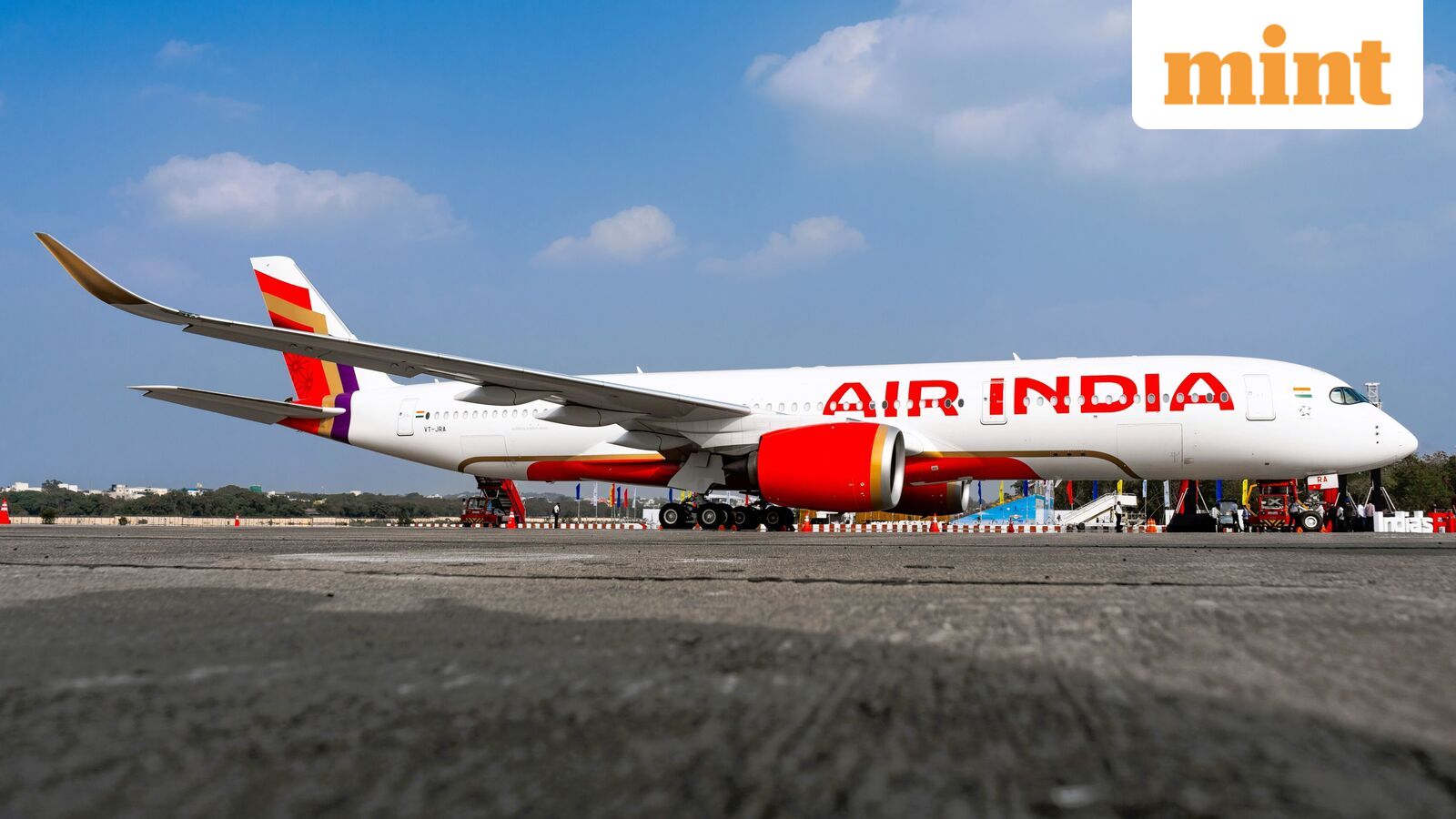
The Tata Group-owned carrier has taken delivery of its first custom-built Boeing 787-9 Dreamliner since privatisation, marking a visible step in a large-scale fleet renewal. The jet is part of an order for 220 aircraft and is set to arrive in India soon after standard inspections and regulatory checks. The carrier has said it expects a significant ramp-up of new aircraft deliveries through 2026.
A milestone delivery for the carrier
Receiving the first bespoke 787-9 represents more than a single aircraft handover. It signals the start of a fresh chapter in the carrier’s post-privatisation strategy: rebuilding capacity, modernising the long-haul fleet and improving the travel experience. The aircraft was customised to the airline’s specifications, reflecting the carrier’s focus on a distinct cabin layout, passenger amenities and operational fit.
What the Boeing 787-9 brings
The 787-9 Dreamliner is known for long-range capability and improved fuel efficiency compared with older widebody types. For the airline, the aircraft should deliver a mix of commercial and operational advantages:
- Better fuel efficiency: Composite materials and modern engines reduce fuel burn and emissions per seat.
- Longer range: The 787-9 can open up new long-haul routes and offer non-stop services that were previously uneconomic.
- Passenger comfort: Larger windows, improved cabin pressurisation and humidity, and quieter cabins enhance the onboard experience.
- Flexible cabin options: Custom interiors allow the airline to balance premium and economy seating to match demand on international sectors.
The larger order and fleet plans
The delivered 787-9 is part of a wider order totalling 220 jets — a mix intended to support both international expansion and domestic network consolidation. The incoming aircraft will be phased in over time, with a notable increase in deliveries expected in 2026. Fleet renewal at this scale is aimed at replacing older planes, reducing maintenance complexity and lowering unit costs.
Why scale matters
Large orders give airlines negotiating power and the ability to standardise fleets, which can reduce training, maintenance and spare-parts expenses. For passengers, a more modern fleet usually means more consistent onboard products and reliability.
Implications for passengers and the market
Passengers can expect improved comfort on long-haul services and potentially more non-stop route options. For the market, a modernised long-haul fleet strengthens the carrier’s ability to compete on international routes, including transcontinental sectors that connect India with North America, Europe and beyond.
Higher-capacity, fuel-efficient jets also allow the airline to be more competitive on pricing while managing environmental targets, an increasingly important consideration for regulators and corporate customers.
Next steps and timeline
Before the aircraft enters commercial service, it will undergo routine inspections and regulatory approvals. The airline plans to accelerate deliveries and integrate a greater number of new aircraft into the schedule through 2026. Operational planning will include crew training, route rationalisation and adjustments to maintenance infrastructure to support the new fleet mix.
Bottom line
The arrival of the customised Boeing 787-9 is a tangible sign of the carrier’s broader strategy to modernise and expand. As more of the 220 ordered jets arrive over the coming years, travellers should see clearer benefits in route choice, comfort and reliability, while the airline works to improve efficiency and competitiveness in an increasingly busy international aviation market.