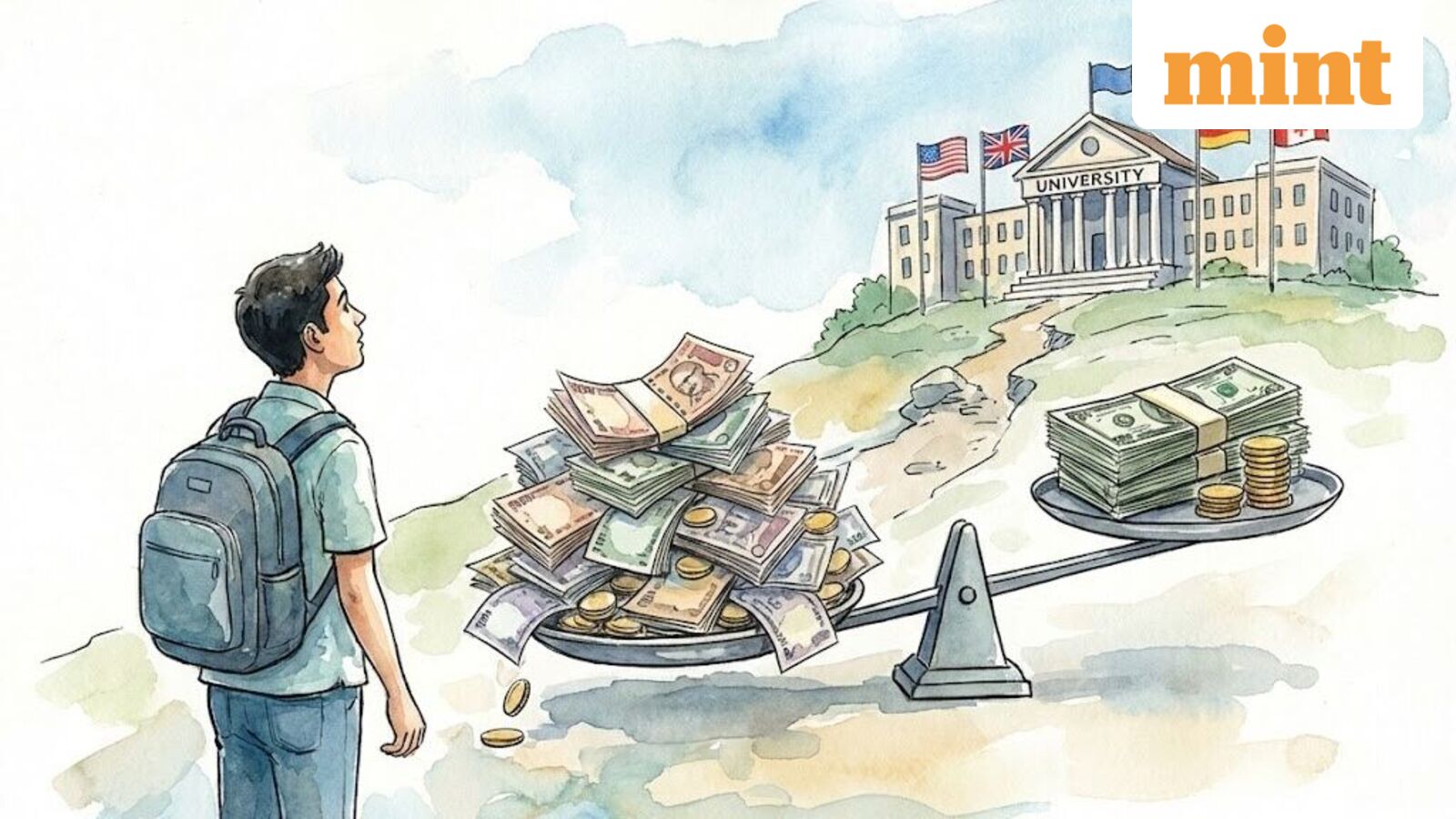
Rupee Weakness and Global Inflation Are Raising the Real Cost of Studying Abroad
For many Indian families, the dream of foreign education is getting more expensive. A weaker rupee combined with rising global inflation and higher living costs in host countries is pushing up the rupee value of tuition, housing, food and travel. As a result, students and parents are rethinking how to pay for degrees, diplomas and short-term courses overseas.
Why costs are rising now
- Currency movement: When the rupee depreciates against major currencies like the dollar, pound or euro, the same foreign-priced tuition converts to more rupees. That increases the immediate outlay families must make.
- Global inflation: Many destination countries are experiencing higher inflation, which pushes up rents, groceries, utilities and fees. Universities may also raise tuition and campus charges to cover higher operating costs.
- Higher interest rates: Central banks around the world have tightened policy to counter inflation. Higher global rates translate into costlier education loans and bigger EMIs for families borrowing to finance study abroad plans.
- Travel and insurance: Rising fuel costs and higher healthcare premiums add to the budget for international students, particularly in countries with expensive medical systems.
How this affects Indian students and families
The combined effect is not only higher upfront expenses but also greater uncertainty. A tuition fee set today can look very different in rupee terms by the time parents send the first instalment. Living costs during a two-year course can vary widely if inflation or exchange rates move unexpectedly.
Families face several pressures:
- Need for larger foreign exchange reserves to meet tuition and living expenses.
- Higher monthly loan repayments when interest rates rise.
- Potential reduction in the real value of savings held in rupees.
- Harder decisions about whether to proceed, delay or change course choices or destinations.
Funding strategies under reconsideration
Students and parents are adapting in practical ways. Some options gaining traction include:
- Applying for more scholarships and assistantships: Merit-based and need-based aid reduces the amount families must convert into foreign currency.
- Choosing lower-cost destinations or cities: Within a country, living costs differ greatly. Smaller cities or countries with a lower cost of living can keep budgets manageable.
- Part-time work and co-op programs: Where visa rules permit, students use part-time jobs and paid internships to offset living expenses and gain experience.
- Staggering payments and early conversion: Locking in part of the tuition by converting rupees into foreign currency early can hedge against further rupee weakness.
- Hybrid or online study: Completing parts of a program online from home before transferring abroad reduces the time spent paying high living costs overseas.
- Using education loans strategically: Comparing loan products, considering longer tenures to lower EMIs, and planning for interest rate changes are now part of the decision process.
Practical steps families can take today
Planning ahead helps reduce surprises. Consider these practical measures:
- Create a realistic, conservative budget: Include tuition, rent, food, local travel, health insurance and a contingency buffer for currency swings or emergencies.
- Explore scholarships early: Many aid programs have strict deadlines. Apply for as many relevant awards as possible.
- Compare destinations and programs: Total cost matters more than prestige alone. A lower-cost program may offer similar career value with less financial strain.
- Use multi-currency or locked-rate accounts: Financial products that allow you to hold or fix exchange rates can reduce currency risk.
- Check visa work rules and local job markets: Know how much part-time income is realistic and legal in the destination country.
- Discuss contingency funding: Decide how gaps will be closed—family savings, emergency loans, or support from relatives—before you commit.
Longer-term considerations
This period of higher cost and volatility may also shape broader choices. Some students are delaying enrollment to save more, while others are rethinking the duration and level of study—opting for shorter, career-focused programs instead of longer degrees. Families are increasingly weighing return on investment, considering post-study work prospects and local job markets when selecting programs.
In short, the economics of studying abroad are shifting. Currency weakness and global inflation make careful financial planning more important than ever. Students who act early—by budgeting conservatively, seeking funding, and choosing programs and destinations wisely—will be better placed to manage the rising cost of international education.