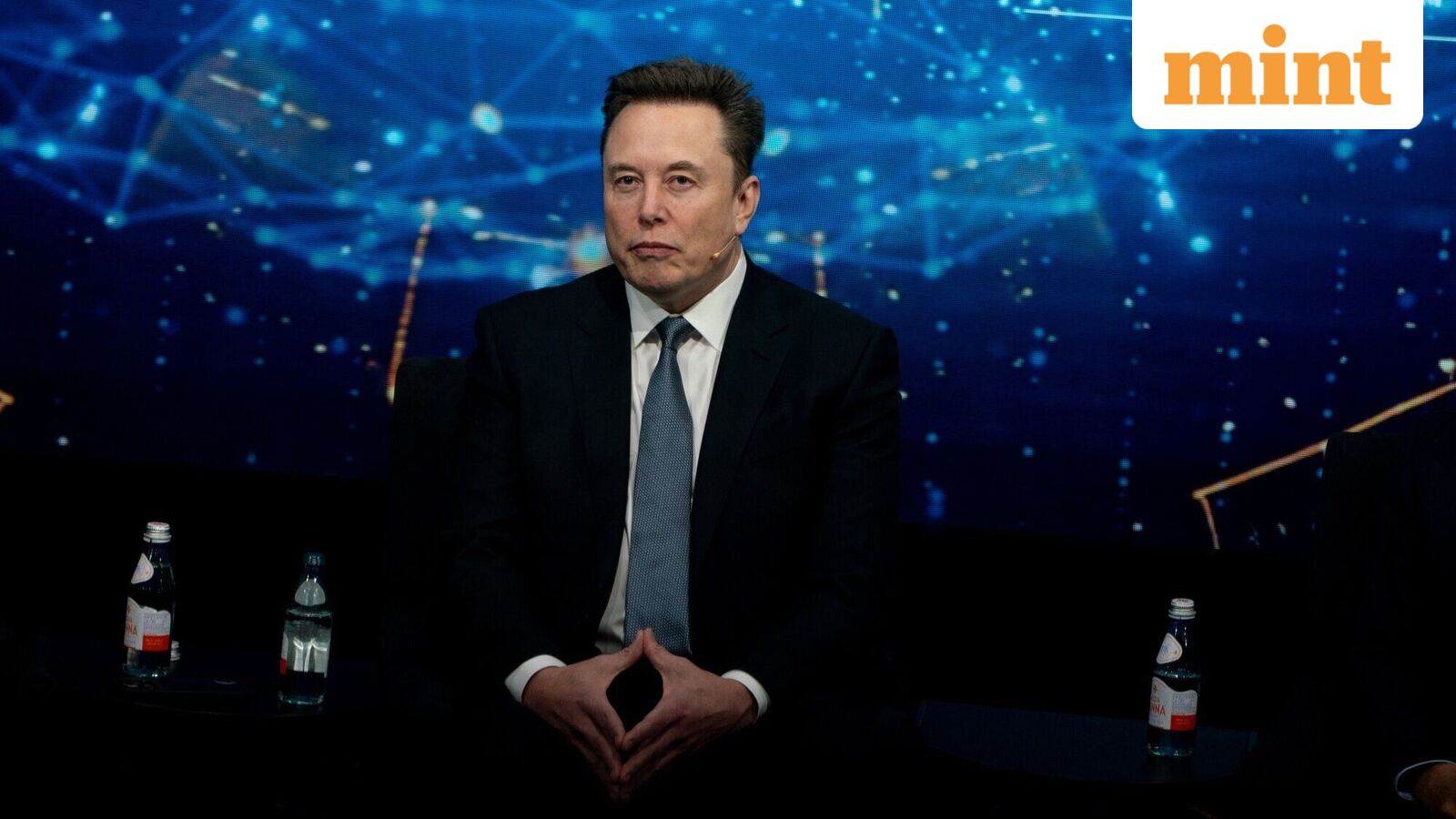
Chamath Palihapitiya told listeners on the All-In podcast that he does not expect SpaceX to pursue a traditional initial public offering. Instead, he floated the idea of a reverse merger with Tesla as a possible route for the private rocket maker to become public. Elon Musk has not confirmed any such plans.
What Chamath said and why it matters
Palihapitiya, a well-known venture investor, suggested the SpaceX-Tesla path as an alternative to an IPO. His comments underline a growing debate about how fast-growing private companies choose to access public markets. An IPO can be lengthy and heavily scrutinized, while a merger with an existing public company could offer a faster, simpler route—at least in theory.
Why this comment drew attention
- Size and value: SpaceX is one of the most valuable private companies in the world, making any change in its public status significant for markets and investors.
- Unusual proposal: A reverse merger with Tesla would be highly unconventional given Tesla’s scale and public profile.
- High stakes: Both companies are closely associated with Elon Musk, so any plan involving them will attract intense scrutiny.
What is a reverse merger?
A reverse merger is a process that lets a private company become public by merging into an already listed company. Instead of following the IPO route—underwriting, roadshows and SEC reviews—the private company effectively takes over a public shell. This can shorten timelines and reduce some costs, but it is not a free pass around regulation or shareholder approval.
Why Palihapitiya might see Tesla as a partner
There are a few reasons the idea was raised, even if it seems unlikely at first glance:
- Shared leadership: Elon Musk leads both Tesla and SpaceX, so some assume strategic alignment could ease a merger conversation.
- Public listing access: Tesla is already a major public company, so combining assets could theoretically bring SpaceX’s value onto public books faster than an IPO.
- Investor appeal: A combined entity might present new growth narratives—autos, energy and space—under one roof.
Major obstacles and practical hurdles
Despite the theory, several concrete barriers make a Tesla-SpaceX reverse merger unlikely:
- Regulatory and national security concerns: SpaceX works on government and defense contracts. Regulators would scrutinize any change that affects control of a company tied to national security.
- Shareholder approval: Tesla shareholders would need to approve a deal. The scale and risk of SpaceX’s business could make that a tough sell.
- Valuation complexity: Valuing SpaceX is challenging because of its mix of launch services, Starlink broadband ambitions, and long-term hardware investments.
- Corporate fit: Integrating an aerospace company with an auto-and-energy business raises governance, accounting, and operational questions.
What it would mean for investors
A path that brings SpaceX public without a traditional IPO could change the way retail and institutional investors access the company’s growth. But it would also introduce uncertainty:
- Potential upside if public markets reward combined growth stories.
- Potential downside from governance complexities, dilution, or regulatory setbacks.
- Timing and structure would determine tax, voting rights, and reporting rules for existing shareholders of both firms.
Where things stand now
Palihapitiya’s comments sparked conversation, but they remain speculative. Elon Musk has not confirmed any plan to merge SpaceX with Tesla or to take SpaceX public through that mechanism. For now, SpaceX remains private and continues to raise capital and win contracts while observers watch for any sign of a formal strategy change.
What to watch next
- Public statements from SpaceX and Tesla leadership.
- Regulatory filings or unusual shareholder communications from Tesla.
- Fundraising activity or valuation updates from SpaceX that could signal a timeline for public-market access.
Any real move toward combining a private space company with a major public auto firm would be complex and closely watched. For investors and industry watchers, the key is to follow official disclosures rather than speculation.