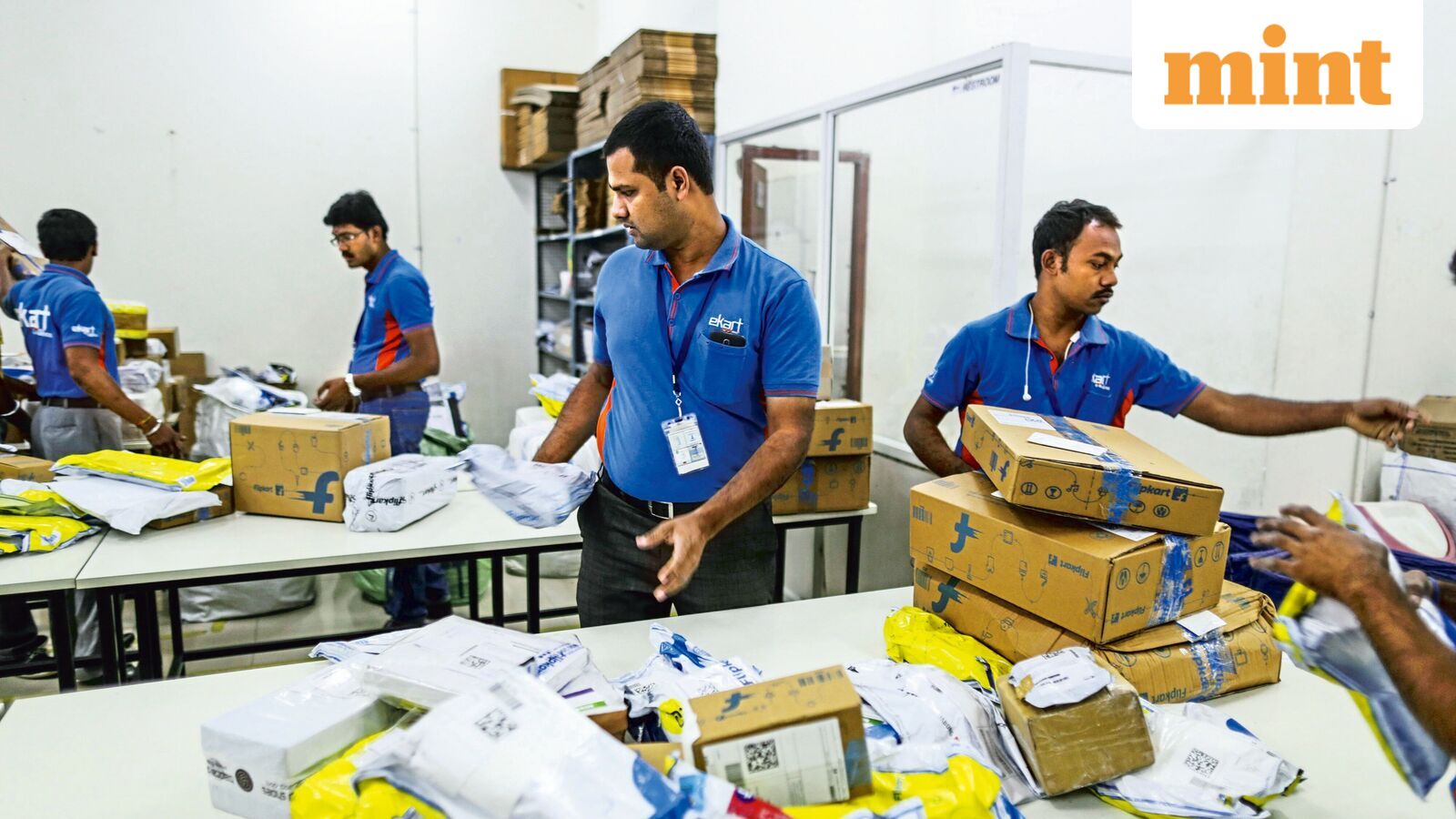
Why e-commerce platforms are dropping seller commissions
Several online marketplaces have begun offering commission-free selling options to merchants. On the surface, it looks like a straight win for sellers — keep more of every sale. But the move reflects a deeper strategy to capture market share, reshape revenue streams, and lock in sellers and buyers over the long term.
Key reasons behind the shift
- Aggressive merchant acquisition: Commission cuts are an efficient way to attract new sellers quickly. For a marketplace, temporarily forgoing commissions can be cheaper than long sales cycles for onboarding merchants.
- Customer lifetime value focus: Platforms are betting that short-term revenue sacrifice will pay off through lifetime value — more listings, repeat sales, and stronger buyer-seller networks.
- Diversified monetization: With commissions reduced, platforms push other revenue lines such as advertising, subscription services, logistics and value-added tools for sellers.
- Competitive positioning: In crowded markets, commission-free options become a headline-grabbing differentiator that forces rivals to respond or risk losing sellers.
- Regulatory and public pressure: Platforms face scrutiny over fees and fairness. Lowering or eliminating commissions can ease negative perceptions and deflect regulatory attention.
How the ecosystem will change
Removing commissions does not eliminate costs for marketplaces — it shifts who pays and how. The ripple effects are visible across sellers, buyers, and service providers that support online commerce.
For sellers
- Immediate margin relief: Smaller businesses and thin-margin categories benefit directly when commission deductions disappear.
- Higher dependence on platform services: Platforms will often push advertising, fulfillment, and premium seller tools that come with fees. Sellers may trade commission savings for other costs.
- Greater bargaining power for top sellers: Big brands and high-volume merchants can negotiate exclusive deals or better terms, widening the gap with smaller shops.
For buyers
- Promotional activity may rise: Platforms may subsidize discounts to retain demand, though these promotions could be funded by advertising or logistics adjustments.
- Mixed impact on prices: Some categories may see lower consumer prices, while others could become more expensive if sellers pass on new service fees.
- Choice and quality: Temporary expansion of seller choices is likely, but long-term quality depends on how platforms balance growth with trust and enforcement.
For the platforms
- Revenue model shifts: Expect a tilt toward ad revenue, subscription plans for sellers, and fees for fulfillment and other ancillary services.
- Cost pressure: Logistics, customer service, and fraud prevention remain expensive. Platforms must either absorb those costs or monetize new services quickly.
- Data and advertiser value: More seller listings and transactions mean richer data. That data can be sold back to sellers via targeted ads and analytics.
Commission-free propositions kick off a new phase of competition. The fight won’t be won by price alone — it will hinge on execution across logistics, seller experience, and demand generation.
Short-term moves
- Flash promotions and seller sign-up bonuses: New entrants and incumbents will use incentives to build catalogues and buyer traffic fast.
- Advertising wars: Platforms will monetize visibility aggressively, raising ad costs for sellers and intensifying competition for top placement.
- Partnerships and exclusives: Expect exclusive brand tie-ups and preferential support for strategic sellers to create unique buyer draws.
Long-term strategies
- Investing in fulfillment and immediacy: Faster, cheaper delivery becomes a major differentiator. Platforms that build efficient logistics will gain durable advantage.
- Subscription models: Loyalty programs and seller subscriptions provide predictable revenue and deeper buyer engagement.
- AI and personalization: Better search, product discovery, and personalized promotions will increase conversion and allow platforms to command higher ad prices.
- Financial services expansion: Payment facilitation, lending, and insurance for sellers can replace commission income with financial product revenue.
Risks and unintended consequences
The commission-free approach carries several risks that could limit its long-term viability or distort the marketplace.
- Sustainability concerns: If ad and other revenue fails to cover lost commissions, platforms may reintroduce fees or raise costs elsewhere.
- Rising ad costs for sellers: Sellers may need to spend more on ads to be visible, which can erode the benefit of zero commissions.
- Quality and fraud issues: Lower barriers to listing increase risk of counterfeit or low-quality products, forcing heavier investments in policing.
- Margin squeeze for small sellers: If fulfillment, advertising and subscription fees add up, smallest merchants could end up worse off.
- Market concentration: Platforms that can sustain the loss-making period may capture dominant market share, raising future competitive and regulatory questions.
What sellers and buyers should watch
- Seller economics: Track total cost of selling — advertising, fulfillment, subscription fees — not just commission headline rates.
- Contract terms: Look for duration of zero-commission offers, mandatory upsells, and performance clauses that could trigger fees later.
- Customer acquisition sources: Diversify off-platform channels (social, email, own website) so sellers aren’t fully dependent on marketplace visibility.
- Platform signals: Monitor investments in logistics, ad tools, and seller support — these indicate how committed a marketplace is for the long haul.
Bottom line
No-commission selling is a high-stakes play in the evolving e-commerce landscape. It can deliver immediate relief to sellers and draw buyer attention, but it also shifts where value is captured — into advertising, subscriptions, fulfillment and data. The winners will be platforms that convert short-term growth into sustainable economics while maintaining trust and choice for consumers. Sellers and buyers who understand the full cost structure and remain flexible will be best placed to benefit from the change.