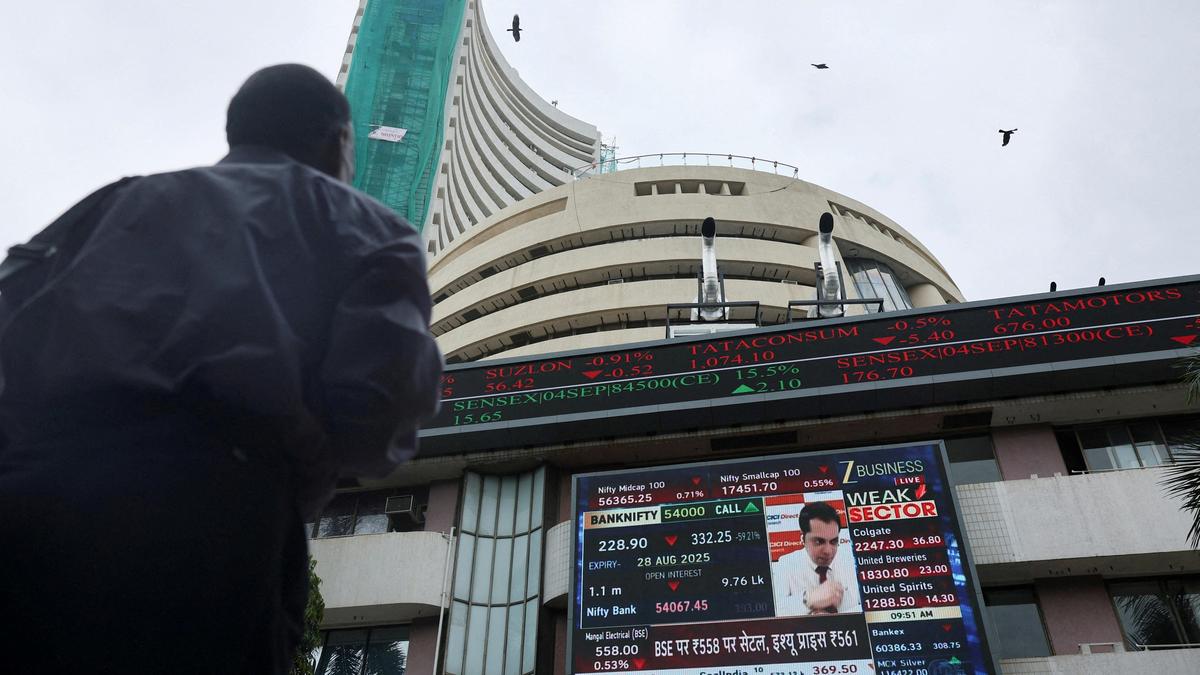
Market flows on January 13: FIIs sell, DIIs step in
Foreign institutional investors (FIIs) sold equities worth ₹1,499.81 crore on January 13, while domestic institutional investors (DIIs) bought stocks to the tune of ₹1,181.78 crore, exchange data showed. The combined activity left a modest net outflow of around ₹318.03 crore from the market for the day.
What these numbers mean
When FIIs sell and DIIs buy, it signals a shift in who is providing liquidity. FIIs often move money in response to global cues—currency moves, interest-rate expectations, or overseas events—while DIIs typically focus on domestic fundamentals and long-term opportunities.
- Net flow: FIIs’ selling outweighed DII buying, creating a small net outflow of ~₹318 crore.
- Market support: DII purchases helped cushion the impact of FII exits, limiting broader market stress.
- Volatility signal: Divergent flows like this can lead to short-term volatility as markets digest shifting investor sentiment.
Possible reasons behind the moves
Institutional flows are influenced by several common factors. While the exact drivers for January 13’s activity aren’t specified here, typical explanations include:
- Global macro cues — changes in yields, inflation data, or geopolitical developments may prompt FIIs to trim exposure.
- Profit-taking — foreign investors sometimes lock gains after recent rallies or sector-specific run-ups.
- Domestic rebalancing — mutual funds and other DIIs may buy stocks to adjust portfolios, capture bargains, or follow inflows from retail investors.
- Currency movements — a stronger rupee or volatile forex can influence foreign flows and valuation perceptions.
How this affects everyday investors
For individual investors and advisers, a single day of divergent flows is worth noting but not necessarily a trigger for major strategy changes. Consider these practical steps:
- Keep a long-term view: Institutional buying by DIIs can indicate domestic confidence that may support recovery over time.
- Watch the trend: One-off FII selling is different from sustained outflows. Track flows over days or weeks for a clearer picture.
- Diversify: Maintain asset allocation across sectors and instruments to reduce the impact of short-term swings.
- Focus on fundamentals: Use flow data as a sentiment indicator, but base investment decisions on company fundamentals and valuations.
Short-term outlook
A modest net outflow of a few hundred crore is unlikely to derail broader market trends on its own. However, if foreign selling persists while domestic buying weakens, volatility could rise and put pressure on certain sectors. Investors should monitor upcoming economic data, corporate earnings, and global developments that could influence institutional behavior.
In sum, January 13’s activity reflects the ongoing interplay between global and local investors. FIIs trimmed exposure, DIIs provided buying support, and the market absorbed the shift with a relatively small net outflow. Keeping an eye on whether this pattern continues will help gauge near-term market direction.