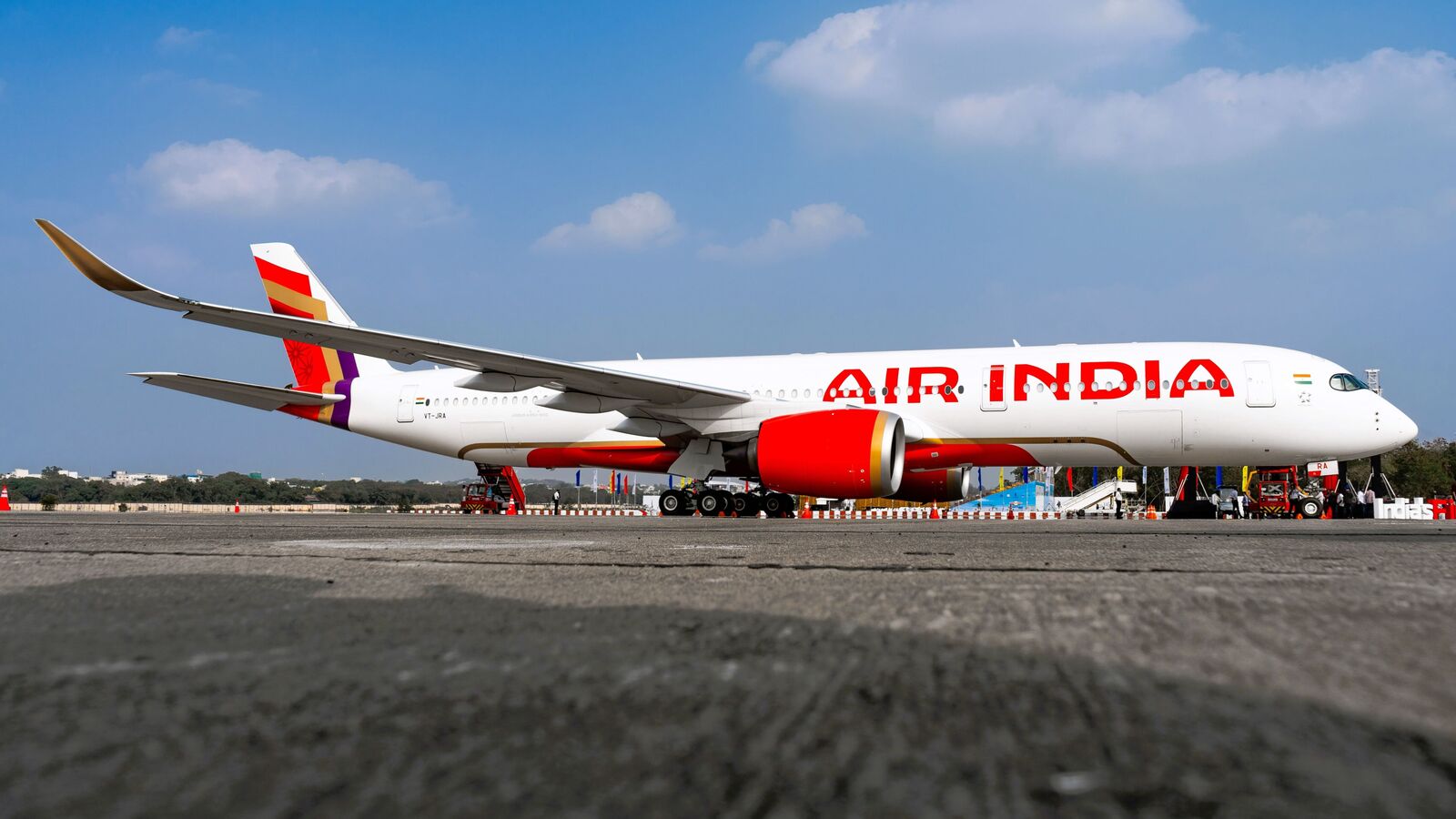
New long-haul aircraft arrives in February
From February, the airline will begin operating a Boeing 787-9 on its international long-haul services. This marks a clear step in the carrier’s fleet modernisation and signals a renewed focus on competitive long-distance connectivity.
What the Boeing 787-9 brings to the table
The 787-9 is part of Boeing’s Dreamliner family and is designed specifically for long-range operations. Compared with older wide-body models, it offers:
- Enhanced fuel efficiency — the airframe and engines are optimised to lower fuel burn and operating costs.
- Improved range and flexibility — the aircraft can serve longer non-stop sectors, allowing airlines to open new direct links or replace less efficient aircraft on existing routes.
- Passenger-focused cabin features — larger windows, improved air quality and LED mood lighting contribute to a more comfortable inflight experience.
- Reduced noise and emissions per seat — advanced materials and engines help reduce the environmental footprint compared with older jets.
Passenger experience: what travellers can expect
For flyers, the 787-9 typically means a quieter cabin, better pressurisation and higher humidity than older long-haul jets. These design features can reduce fatigue on long sectors. Depending on the airline’s chosen cabin layout and service model, travellers may also notice refreshed seating, updated in-flight entertainment and more thoughtful cabin lighting to ease jet lag.
Network and business implications
Introducing the 787-9 has several strategic benefits for the airline:
- Route optimisation: The aircraft’s range and efficiency allow the carrier to operate non-stop services on routes that were previously uneconomic or required larger capacity aircraft.
- Cost management: Lower fuel consumption and improved reliability can reduce unit costs, supporting more competitive pricing or higher margins.
- Fleet flexibility: A modern wide-body like the 787-9 can be redeployed across different long-haul markets as demand shifts, which is valuable in a volatile travel environment.
- Brand and product upgrade: Newer aircraft often serve as a visible sign of an airline’s investment in customer experience and can strengthen its position against competitors.
Operational considerations and passenger tips
When the 787-9 enters service, passengers should keep a few practical points in mind:
- Flight schedules and aircraft rotations may change as the airline integrates the new jet into its network. Check your itinerary before travel.
- Seat maps and onboard amenities can vary by aircraft and cabin class. If cabin layout is important, confirm specifics when booking.
- Expect potentially quieter boarding and deplaning processes if the airline standardises equipment and ground procedures around the new type.
Looking ahead
Bringing a Boeing 787-9 into operation is more than a fleet update; it’s a strategic move that affects network planning, cost structure and passenger appeal. As the aircraft begins flying overseas routes from February, the change will be watched closely by business travellers, frequent flyers and market observers to see how it reshapes service patterns and competitiveness on long-haul corridors.