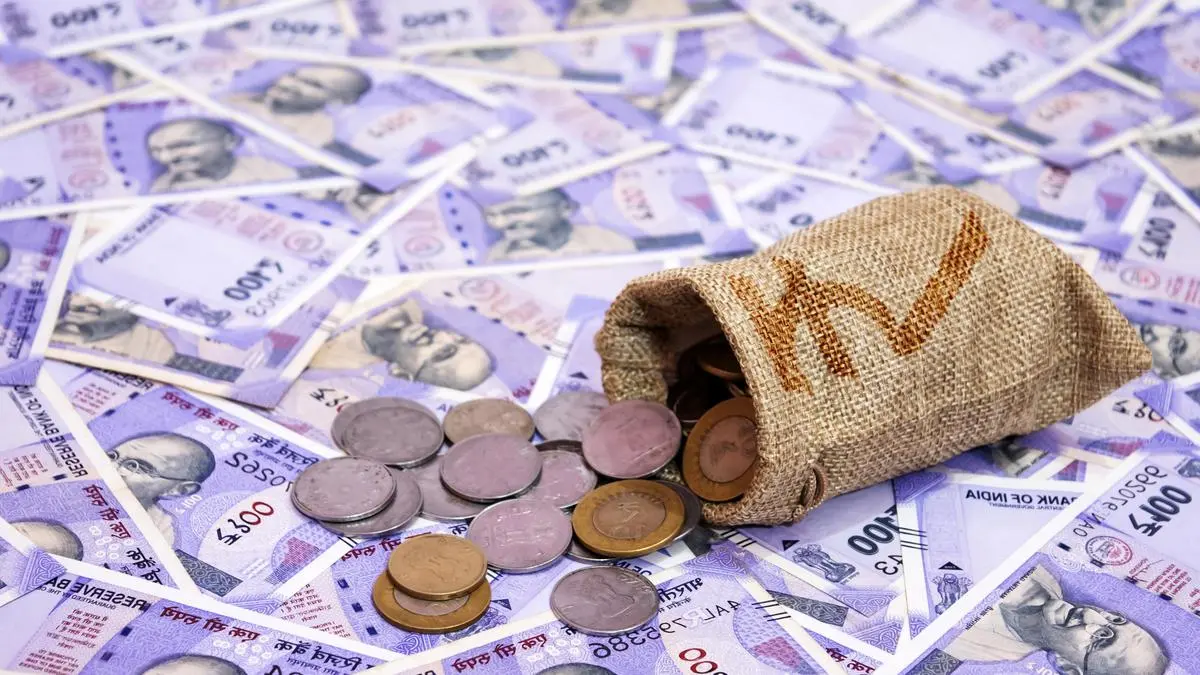
Forex traders say the rupee is likely to trade with a negative bias amid rising risk aversion in global markets and heightened geopolitical tensions. The combination of global uncertainty and capital flow swings is putting pressure on emerging market currencies, and the rupee is no exception.
Why the rupee is under pressure
Several forces are converging to weigh on the rupee:
- Global risk aversion: When investors grow cautious, they often move money into safe-haven assets such as the US dollar, US Treasuries, gold and the Japanese yen. That flight to safety tends to strengthen the dollar and weakens emerging market currencies.
- Geopolitical tensions: Heightened geopolitical risk increases uncertainty about trade, commodity flows and growth—prompting portfolio rebalancing away from riskier assets and toward cash and government bonds in advanced economies.
- Commodity price swings: Rising oil and commodity prices can widen import bills for energy-importing countries, adding pressure on their currencies. India’s large energy import bill makes the rupee particularly sensitive to crude price movements.
- Capital flows: Foreign portfolio outflows or slower inflows reduce dollar supply in local markets, pushing the rupee lower. Equity and bond market sentiment can change quickly when global risk appetite shifts.
What traders and businesses should watch
Market participants should keep an eye on a handful of indicators that typically drive short-term currency moves:
- US dollar strength: Broad movements in the dollar, influenced by US economic data and expectations for interest rates, are a major driver of emerging market currency direction.
- Crude oil prices: Persistent rises in oil can widen the current account deficit for energy importers, adding depreciation pressure.
- Foreign portfolio flows: Net inflows or outflows in equities and bonds often translate quickly into currency moves.
- Domestic macro data: GDP growth, inflation prints and trade numbers shape medium-term sentiment for the rupee.
- Central bank actions: Statements and interventions by the central bank, as well as monetary policy decisions abroad, can affect currency volatility.
Potential market responses
When the rupee faces a negative bias, several market reactions are common:
- Higher spot volatility: The daily range of currency moves tends to widen as traders reposition and hedgers seek protection.
- Rising forward premiums: Importers and corporates booking hedges for future dollar needs may face higher costs for forward contracts.
- Central bank intervention: The central bank could use foreign exchange reserves or regulatory tools to smooth excessive volatility, though interventions are typically aimed at maintaining orderly market functioning rather than long-term trend reversal.
How companies and investors can manage the risk
With uncertainty elevated, both corporates and investors may take practical steps to protect their positions:
- Hedging strategies: Use forward contracts, options or natural hedges to limit exposure to adverse currency moves. Smaller, staggered hedges can reduce the cost of mistimed coverage.
- Cash management: Maintain flexible liquidity buffers in currencies that match liabilities or revenue streams.
- Review procurement: For importers, consider negotiating pricing terms, diversifying suppliers or adjusting order timing to manage short-term currency costs.
- Portfolio allocation: Investors can re-evaluate dollar exposure and defensive assets to limit the impact of sudden currency swings on returns.
Short-term outlook
In the near term, if global risk aversion persists or geopolitical tensions escalate further, the rupee is likely to remain under pressure. That said, domestic factors—such as foreign exchange reserves, current account trends and central bank communications—can provide support and temper sharp moves.
Bottom line
The rupee’s path will be shaped by a mix of global sentiment and domestic fundamentals. For businesses and investors, the prudent approach is to acknowledge the heightened risk environment, use active risk-management tools, and monitor key indicators such as oil prices, foreign flows and global monetary policy cues.