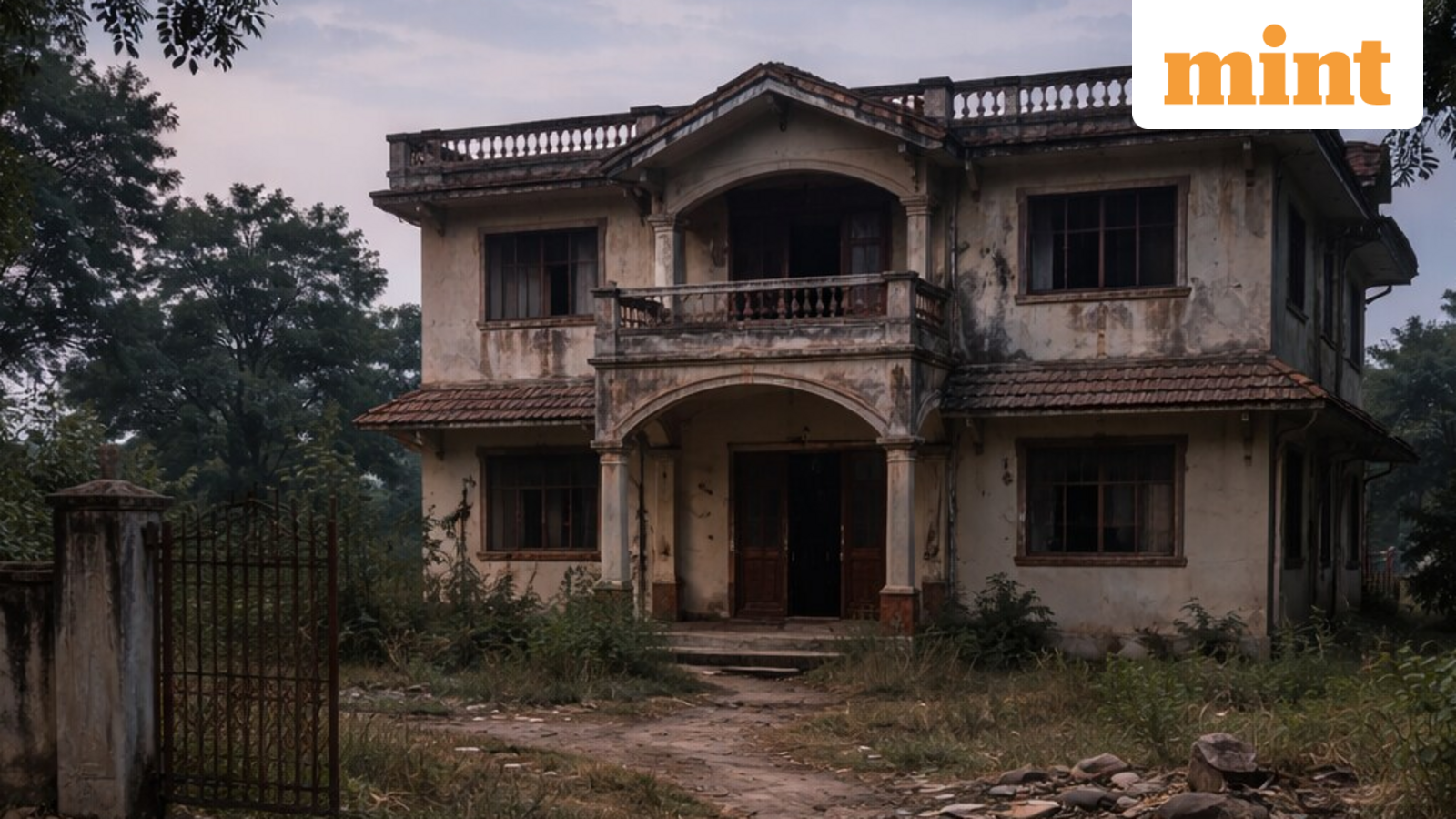
Across many regions, a growing number of well-paid professionals are returning to their native villages to build large, ornate houses. At first glance these structures signal success. Yet many of them sit largely unused, empty shells that become a financial burden rather than assets. These so-called “ghost mansions” illustrate a common tension between status-driven building and practical homeownership.
What are ghost mansions?
“Ghost mansions” are large, often elaborate houses constructed as visible displays of wealth. They may include grand facades, multiple floors, decorative staircases and expensive finishes. In many cases, the homes are intended to impress relatives and neighbors more than to serve everyday family life. As a result, they often remain partially completed, sparsely furnished, or seldom occupied.
Why professionals choose grandeur over practicality
- Status and identity: For many, building a showy house is a public way to mark personal success and social mobility.
- Cultural expectations: Family and community pressures can push people toward larger, more visible homes.
- Emotional payback: After years of work away from home, returning professionals may want to create a legacy.
- Perceived investment: Some view land and property as safe investments and assume bigger buildings mean higher returns.
The initial construction cost is just the start. Over time these large houses can become expensive to own and maintain, often outweighing any prestige they provide.
- Maintenance and utilities: Bigger buildings require more cleaning, repairs, electricity and water. Remote villages may lack reliable services, increasing costs.
- Incomplete projects: Work often stops when funds are redirected elsewhere, leaving unfinished spaces that deteriorate quickly.
- Opportunity cost: Money tied up in a single flashy home could be invested in diversified assets, education, or income-generating activities.
- Low rental demand: In many rural areas, demand for large, luxurious rentals is limited. This makes it hard to monetize the property when needed.
- Resale difficulties: Local buyers may prefer practical, low-maintenance homes, so resale value can lag expectations.
Beyond personal finance, ghost mansions can affect communities. Empty or poorly maintained homes change the look and safety of a neighborhood and can strain local infrastructure. They may also widen social gaps if visible displays of wealth raise expectations that others cannot meet.
Local economy and labor
On the positive side, construction can create jobs and boost local suppliers. But if projects stall, wages and local incomes may suffer. Thoughtful planning can preserve these economic benefits without producing wasted assets.
Smarter alternatives: renovate for utility, not ego
Renovating and upgrading existing homes often gives better returns than building new showpieces. Practical, well-planned improvements improve daily life and stretch budgets further.
- Prioritize essentials: Start with plumbing, roofing, insulation and reliable power. These upgrades lower long-term costs and increase comfort.
- Focus on flexibility: Design spaces that serve multiple purposes—guest quarters that convert to rentals, or courtyards that can host events.
- Invest in efficiency: Solar panels, efficient appliances and rainwater harvesting cut bills and reduce dependency on unreliable services.
- Phased upgrades: Spread improvements over time to match cash flow, finishing usable parts first and adding features later.
- Local materials and labor: Using locally available materials and trusted local contractors often reduces cost and supports the community.
How to plan a practical renovation
Taking a deliberate approach protects finances and maximizes usefulness.
- Assess real needs: Make a list of daily requirements versus aspirational features. Let essential needs drive the plan.
- Create a realistic budget: Include contingencies for overruns and future maintenance. Avoid overextending on decorative elements.
- Consult professionals: An experienced architect or builder can suggest efficient layouts and cost-saving materials.
- Consider income options: Plan spaces that can be rented seasonally or used for small businesses like homestays or workshops.
- Document and maintain: Keep records of work and schedule regular maintenance to avoid costly repairs later.
Balancing pride and pragmatism
There’s nothing wrong with wanting a dignified home that reflects personal achievement. The challenge is to balance that desire with long-term financial sense. A house that meets daily needs, increases family comfort, and can adapt to future circumstances is more valuable than one that only impresses from the roadside.
Choosing renovation and sensible upgrades over ostentatious building helps protect wealth, supports local economies, and creates homes that are lived in—not just admired. For professionals investing in rural properties, the smartest displays of success are those that stand the test of time.