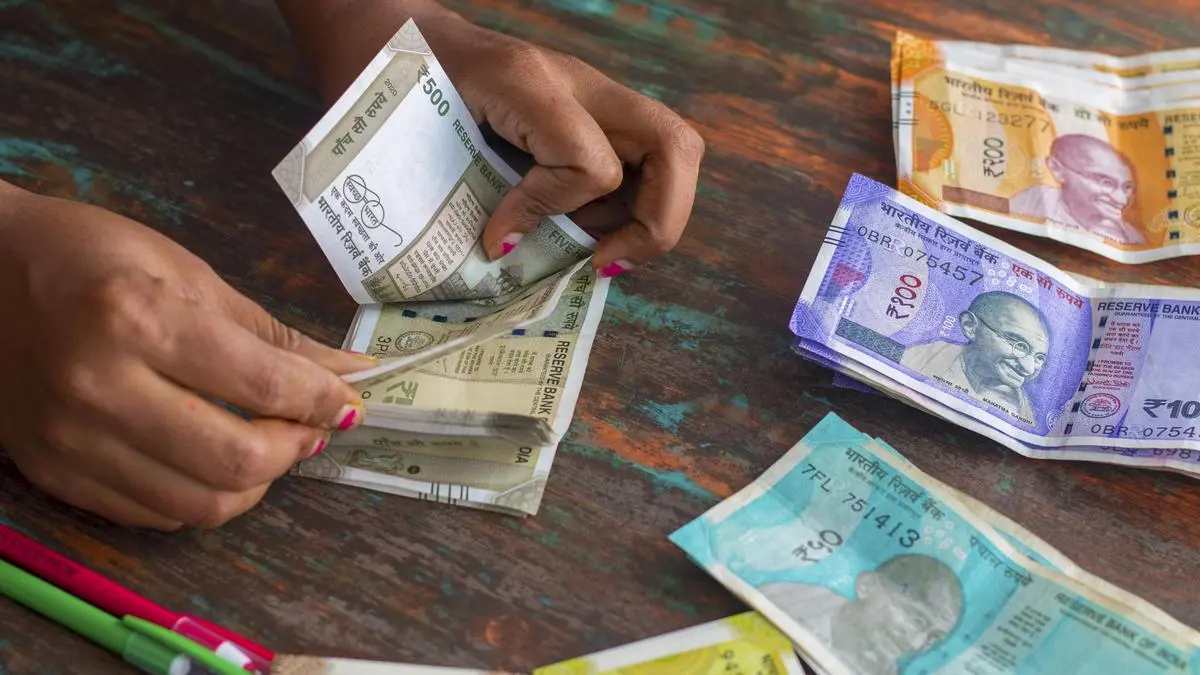
The Indian rupee opened at 90.37 against the US dollar in the interbank foreign exchange market and slipped further to 90.44, ending the morning session about 10 paise weaker than the previous close. The small but noticeable move reflects thin, reactive trading as global and domestic cues continue to shape currency sentiment.
Why the rupee moved
Currency moves are often the result of several overlapping factors. In this case, market participants pointed to a combination of influences that likely pressured the rupee:
- Dollar strength: A firmer dollar globally can push emerging market currencies lower as investors favour the safe-haven currency.
- Foreign fund flows: Net outflows or cautious positioning by foreign institutional investors may weigh on the rupee by reducing demand for local assets.
- Commodities and imports: Higher crude oil prices or other import costs increase demand for dollars, which can nudge the rupee down.
- Domestic cues: Local equity market moves and interest rate expectations also influence currency traders’ risk appetite.
What does a 10 paise change mean?
A 10 paise movement is equal to 0.10 rupee. For everyday transactions it is modest, but for large importers or exporters and financial institutions, even small currency moves translate into meaningful gains or losses. Traders monitor these shifts closely because they can indicate broader sentiment trends.
Market reaction and implications
Token declines like today’s typically prompt short-term hedging or tactical adjustments by corporates and portfolio managers. Importers may look to hedge near-term dollar needs, while exporters could delay converting foreign receipts if they expect the rupee to recover.
- Equities: Currency weakness can pressure local stocks, especially companies with high import bills, but it may benefit exporters.
- Bond market: Moves in the rupee sometimes correlate with local bond yields, because capital flows and interest rate expectations are linked.
- Policy watching: The central bank can intervene in currency markets if swings become disruptive, so traders keep a close watch on any official signals.
What to watch next
Traders and businesses will be monitoring a few key items that could drive the rupee in coming sessions:
- Global dollar trends and US economic data that affect rate expectations.
- Crude oil prices and other commodity movements that change import bills.
- Foreign institutional investor flows into and out of equity and debt markets.
- Domestic economic data and any statements from monetary authorities that could influence policy expectations.
Bottom line
Today’s dip to 90.44 against the dollar is a modest move but a timely reminder that the rupee remains sensitive to global dollar momentum, commodity swings, and foreign flows. Corporates, investors and policymakers will continue to track these signals to manage risk and position for the weeks ahead.