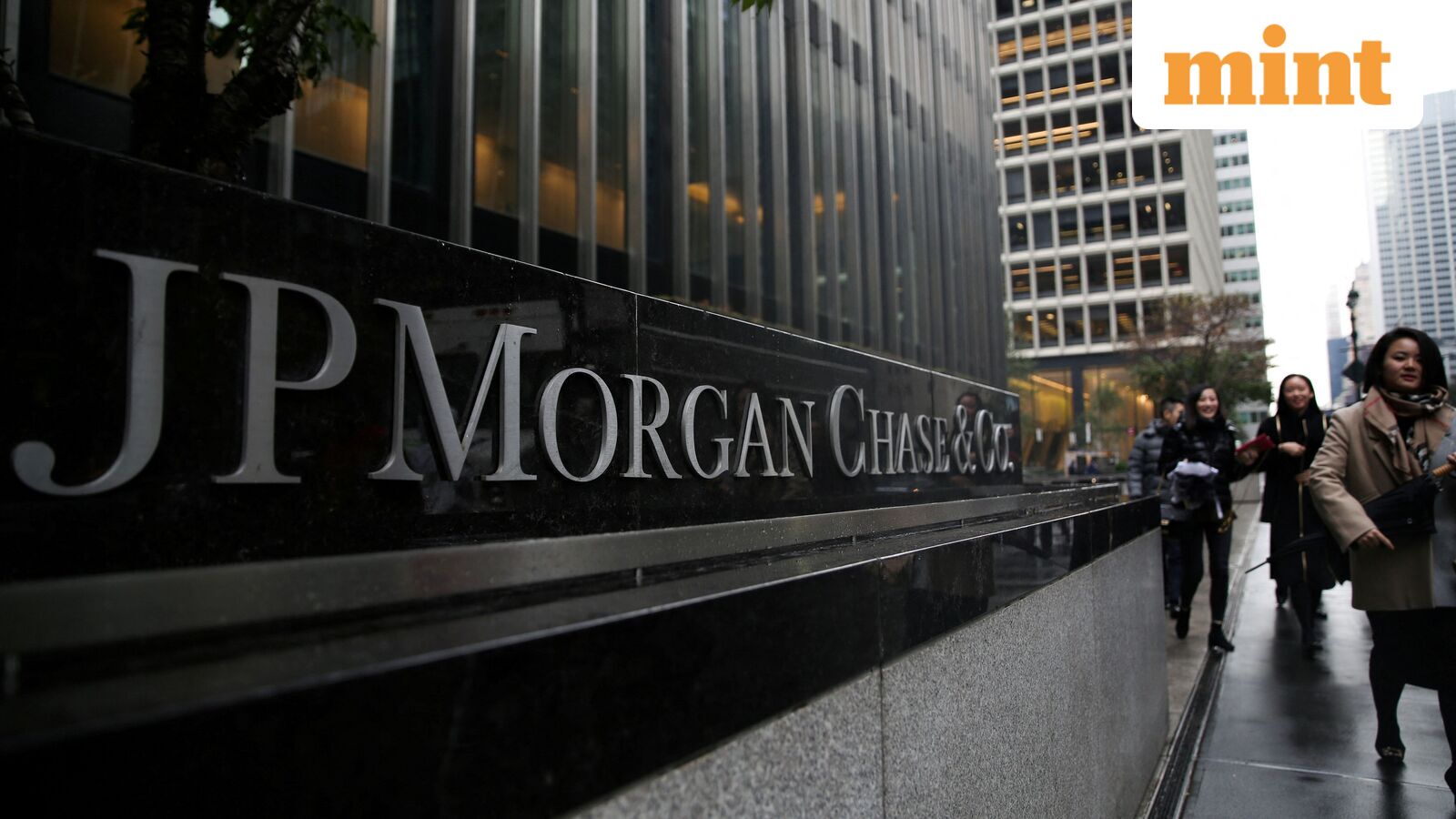
A major US bank is boosting its dealmaking presence in Europe as it prepares for what it expects will be a busy year for mergers and acquisitions in 2026. The move reflects growing investor confidence and a broader view that conditions are becoming more favourable for large corporate transactions.
Why the bank is expanding its European deal team
Executives expect a combination of factors to drive more M&A activity next year. Chief among them are lower interest rates and stable credit markets, which reduce the cost and uncertainty of financing transactions. As borrowing becomes cheaper and bank lending conditions remain steady, more companies may feel comfortable pursuing strategic deals.
At the same time, firms report that investor sentiment is improving. That growing confidence can spur boards and management teams to act on long‑held plans to merge, divest or buy competitors — especially when the economic backdrop supports valuation certainty.
What the expansion means for Europe
Expanding a dealmaking team in Europe signals a readiness to handle a wider range of transactions, from cross‑border deals to complex domestic restructurings. Practical effects are likely to include:
- More coverage for mid‑market and large clients: Additional bankers mean more capacity to originate and execute deals across sectors.
- Faster deal execution: Larger teams can move more quickly on time‑sensitive opportunities.
- Increased competition: Other banks are likely to respond by strengthening their own M&A capabilities.
Which sectors could see more activity
While it’s still early to pinpoint exact winners, some sectors tend to respond to lower rates and stable credit conditions more quickly:
- Technology and software — for strategic consolidation and bolt‑on acquisitions.
- Healthcare — for scale and diversification plays.
- Energy and industrials — where financing large capital deals becomes easier.
Conditions shaping 2026 M&A
Several macro factors will determine whether expectations for a busy 2026 materialize:
- Interest rates: If rates remain low, deal financing stays attractive; a sudden rise could cool activity.
- Credit availability: Stable lending standards make larger leveraged transactions feasible.
- Investor sentiment: Confidence supports bold strategic moves; volatility can delay decisions.
- Regulatory and geopolitical risks: Cross‑border deals can be sensitive to policy shifts and international tensions.
Potential risks and caveats
Even with a positive outlook, unpredictability remains. A change in monetary policy, unexpected economic slowdown, or sudden market volatility could reduce deal flow. Regulatory scrutiny on large mergers — particularly those with national security implications — can also slow or block transactions.
What to watch next
- Hiring announcements and the areas of expertise being added to the team.
- Signs of sustained lower interest rates from central banks.
- Early‑stage deal activity and industry consolidation patterns.
- Regulatory developments affecting cross‑border M&A.
For companies, investors and advisers, the bank’s expansion is a signal to prepare for a more active market. If the economic conditions it is banking on hold, 2026 could be a busy year for mergers and acquisitions in Europe — and banks are positioning themselves to be at the center of that activity.