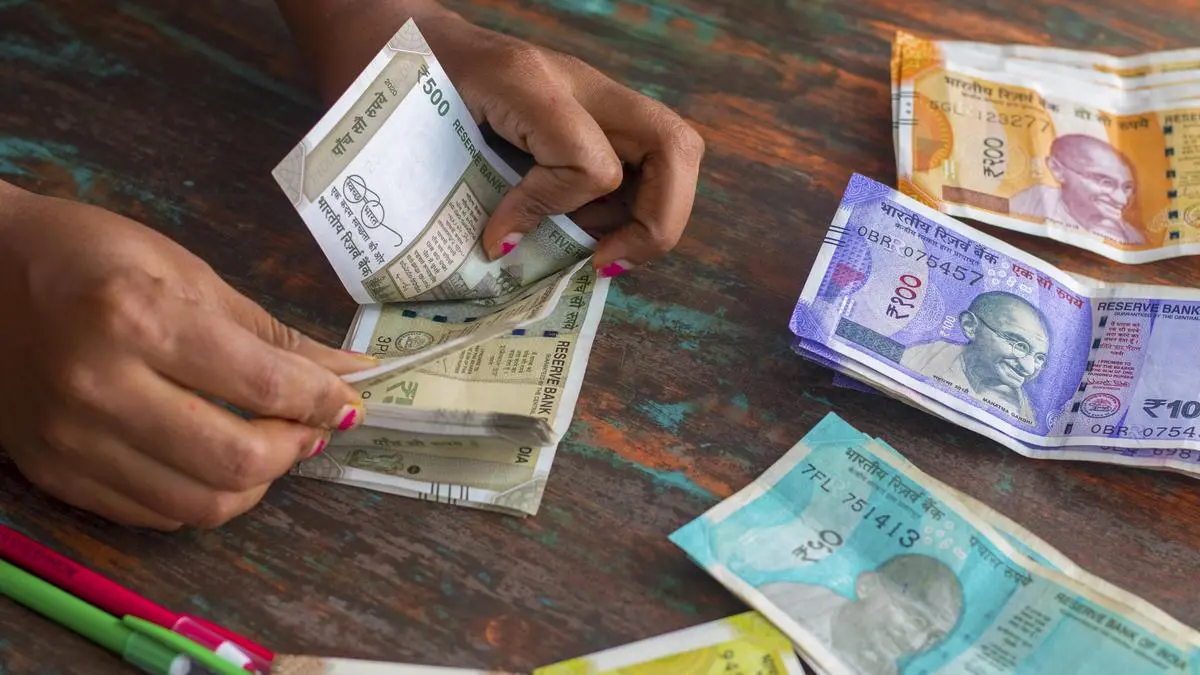
Rupee edges higher in early interbank trade
The Indian rupee opened the interbank foreign exchange market at 90.68 against the US dollar and strengthened slightly to trade at 90.66. This move represents a gain of 12 paise from the previous session’s close of 90.78, a modest improvement of roughly 0.13%.
Market snapshot
- Opening level: 90.68 per US dollar
- Current trade: 90.66 per US dollar
- Change from previous close: +12 paise (rupee appreciation)
- Market: Interbank foreign exchange
Why small moves matter
Moves measured in paise may seem minor day-to-day, but they matter for short-term traders, large corporate importers and exporters, and the fixed-income market. Even modest appreciation can reduce forex costs for importers, while exporters may see a slightly smaller dollar inflow when converted to rupees.
Possible drivers behind the move
Short-term currency moves often reflect a mix of domestic and global forces. The following factors commonly influence the rupee and could explain today’s small gain:
- Global dollar sentiment: A weaker US dollar against a basket of currencies typically eases pressure on emerging market currencies, including the rupee.
- Foreign fund flows: Net inflows into Indian equity or debt markets can support the rupee; outflows have the opposite effect.
- Crude oil prices: India is a major oil importer, so falling oil prices generally help the rupee by reducing import bills and widening the current account.
- Domestic liquidity and RBI activity: Reserve Bank operations, including foreign exchange interventions or changes in liquidity conditions, can influence intraday levels.
- Economic data and interest rate expectations: Local economic releases or signals about monetary policy can quickly shift trader sentiment.
Who feels the impact?
- Importers: A stronger rupee reduces the rupee cost of dollar-denominated imports, including crude and capital goods.
- Exporters: Slight appreciation can narrow export margins when earnings are converted to rupees.
- Investors: Currency moves affect returns for foreign investors in local assets and can influence decisions on equity and bond allocations.
- Consumers: Over time, currency strength can help ease inflationary pressures on imported goods, though the effect from a single-session move is limited.
What to watch next
Traders and market participants will likely monitor the following to assess whether the rupee’s gain sustains:
- Directional moves in the US dollar and global risk appetite.
- Crude oil price trends and related geopolitical developments.
- Foreign institutional investor flows into equities and debt markets.
- Domestic macroeconomic data releases and central bank commentary.
- Any direct market intervention or changes in liquidity by the central bank.
Bottom line
The rupee’s early session appreciation to 90.66 against the US dollar is a small but positive move from the prior close. While the change is modest, it reflects how sensitive currency markets are to both global cues and domestic flows. Participants will be watching incoming data and market flows to see if the trend continues through the trading day.