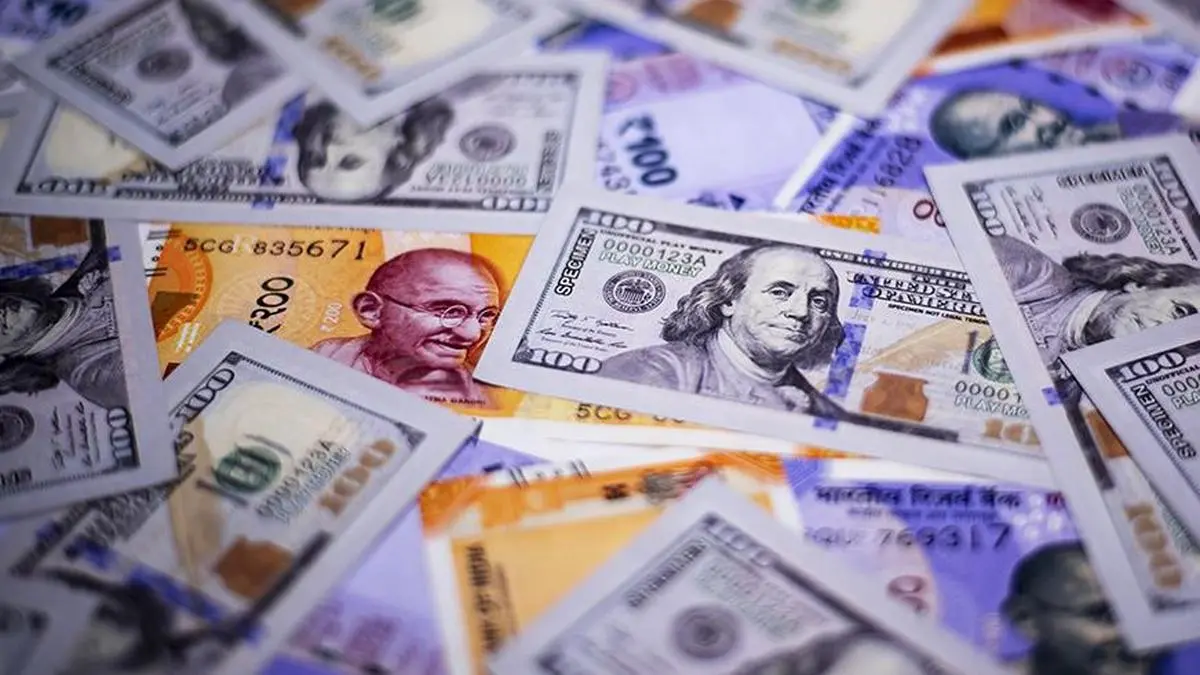
Global central banks are trimming their dollar holdings
A recent report finds that the share of the US dollar in global central bank reserves has been falling steadily. That shift is subtle but meaningful: central banks around the world are gradually reducing how much of their foreign-exchange buffers are held in dollars and reallocating to other currencies and assets.
Why this matters
Reserve currencies shape trade, finance and geopolitical influence. When the dollar dominates reserves, the United States gains lower borrowing costs and outsized sway in international payments. A sustained decline in the dollar’s share changes incentives for policymakers, affects currency markets and influences how governments manage risks.
Reasons behind the decline
There is no single cause. Instead, several trends are encouraging central banks to diversify away from the dollar:
- Risk management and diversification: Central banks aim to reduce concentration risk. Holding a mix of currencies and assets can soften the effect of shocks to any single economy.
- Geopolitical shifts: Geopolitical tensions and sanctions have prompted some countries to seek alternatives that might reduce exposure to a single country’s financial system.
- Growth of other economies: As trade and investment ties with non-US economies deepen, central banks often increase holdings in the currencies of major trading partners.
- Development of alternatives: The euro, Chinese renminbi and even gold have become more attractive for some reserve managers, offering different risk-return profiles.
- Market structure and innovation: New financial instruments, broader foreign-exchange markets and changes in how reserves are managed give central banks more options.
What alternatives are gaining ground?
Central banks typically move into other major currencies, precious metals and diversified assets. Common alternatives include:
- Major fiat currencies: The euro, Japanese yen and, in some cases, the Chinese renminbi are the most obvious substitutes.
- Gold: Seen as a long-standing store of value, gold often rises when central banks want a non-sovereign asset.
- Diversified portfolios: Sovereign bond holdings across a range of currencies, foreign equities and supranational bonds can be part of a broader diversification strategy.
- New instruments: Some central banks experiment with alternative instruments that can hedge against specific risks or meet liquidity needs in different ways.
Implications for markets and policymakers
The steady decline of the dollar’s share in reserves carries several practical consequences:
- Exchange-rate volatility: Slower or structural reduction in dollar demand could increase volatility in currency markets, especially during crises.
- Impact on US borrowing costs: A lower long-term demand for dollar assets might put upward pressure on yields, though the effect will depend on many moving parts.
- Policy adjustments: Central banks and governments may need to rethink liquidity arrangements, swap lines and contingency plans to operate in a more multipolar reserve landscape.
- Trade and payments: Countries with large non-dollar settlement arrangements may see reduced exposure to dollar-related disruptions, reshaping cross-border payments infrastructure.
What this means for investors and businesses
For investors and corporate treasury teams, the trend toward reserve diversification reinforces several practical points:
- Maintain currency risk management and stress-test portfolios against scenarios where dollar liquidity is constrained.
- Consider broader diversification across currencies and asset types to reduce concentration risk.
- Monitor policy signals from major central banks—changes in reserve strategy can precede shifts in market liquidity and funding costs.
Outlook: gradual change, important consequences
The decline in the dollar’s share of global reserves is a gradual process rather than an abrupt collapse. Even with steady erosion, the dollar remains central to international finance for now. Still, the trend is important because it signals a slow rebalancing of global financial relationships. That rebalancing will influence markets, policymaking and the way countries plan for financial stability.
What to watch next
- Announcements by major central banks about reserve composition and gold purchases.
- Changes in global trade invoicing practices and the currency mix used in cross-border payments.
- Geopolitical developments that could accelerate shifts in reserve policy.
- Market liquidity signals in dollar funding markets and sovereign bond flows.
As the global financial system becomes more multipolar, both public and private institutions will need to adapt. The pace of change matters: a slow, managed shift allows markets to adjust; a rapid reallocation could be disruptive. For now, the steady decline of the dollar’s share is a development worth watching for its long-term implications.