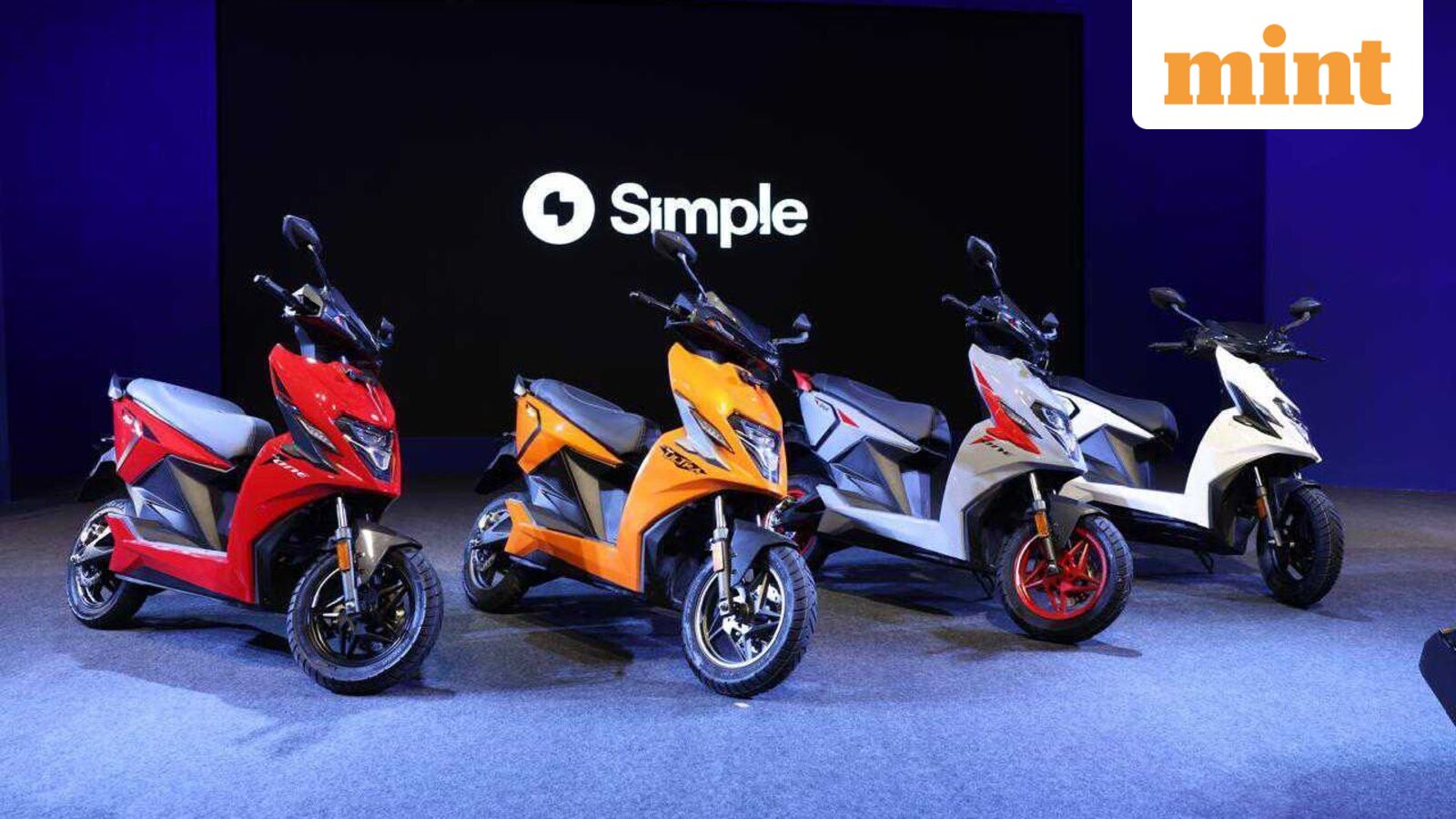
EV maker eyes fresh capital as it rolls out long-range scooter
The company behind the newly launched Simple Ultra scooter is lining up fresh funding, largely from international backers and existing investors, in what its chief executive says could be the startup’s first round with institutional participation. The move comes as the firm launches a high-range electric scooter that it says can travel up to 400 km on a single charge.
Funding plans and investor mix
Chief executive Suhas Rajkumar confirmed the fundraising push, saying the round will be supported mainly by overseas investors alongside the startup’s current backers. If institutional investors formally participate, it would mark a milestone in the company’s capital-raising journey and signal growing confidence from larger, professional investors.
- Primary sources: International backers and existing investors.
- Potential change: Could be the company’s first round with institutional participation.
- Purpose: The funding is expected to support scaling, production and further product development (as indicated by management commentary).
Product spotlight: Simple Ultra
The Simple Ultra, unveiled on Monday, is the company’s latest electric scooter offering. The headline figure — a claimed 400 km range — positions the product as one of the longer-range scooters on the market. Range is a key decision factor for many EV buyers, and a 400 km claim aims to address range-anxiety concerns that often slow mass adoption.
Beyond the range, the scooter’s launch suggests the firm is accelerating product development and market entry. While precise technical specifications, pricing and delivery timelines were not detailed in the CEO’s comments, the new model is clearly intended to bolster the company’s proposition in an increasingly competitive EV two-wheeler segment.
Why this matters for the EV market
A funding round with institutional participation could do several things for the company and the wider market:
- Scale manufacturing: Larger checks typically help startups expand production capacity and shorten time to market.
- R&D and battery tech: Additional capital allows more investment in battery development, software, and vehicle performance, all crucial for competing on range and reliability.
- Market credibility: Institutional backing often reassures other stakeholders — suppliers, dealers, and customers — about a startup’s prospects.
Challenges and expectations
Despite the positive signals, execution remains critical. The EV two-wheeler market is crowded and price-sensitive. Promising a 400 km range is attention-grabbing, but the company will need to translate that claim into customer deliveries, after-sales support, charging solutions and a reliable supply chain to sustain growth.
Investors will likely watch for clarity on production ramp-up, cost structure, unit economics and the pace of customer adoption. Institutional participation could bring not just capital but also governance standards and operational oversight that help address these issues.
What’s next
The immediate focus will be on closing the funding round and starting deliveries of the Simple Ultra. If institutional investors join the round, expect increased scrutiny on milestones and timelines. Success in these areas could strengthen the company’s position in the EV scooter segment and attract further investment as demand for long-range electric two-wheelers grows.
For now, the combination of a high-range product and a potentially larger, more formal funding round marks an important chapter for the startup as it seeks to scale in a fast-moving market.