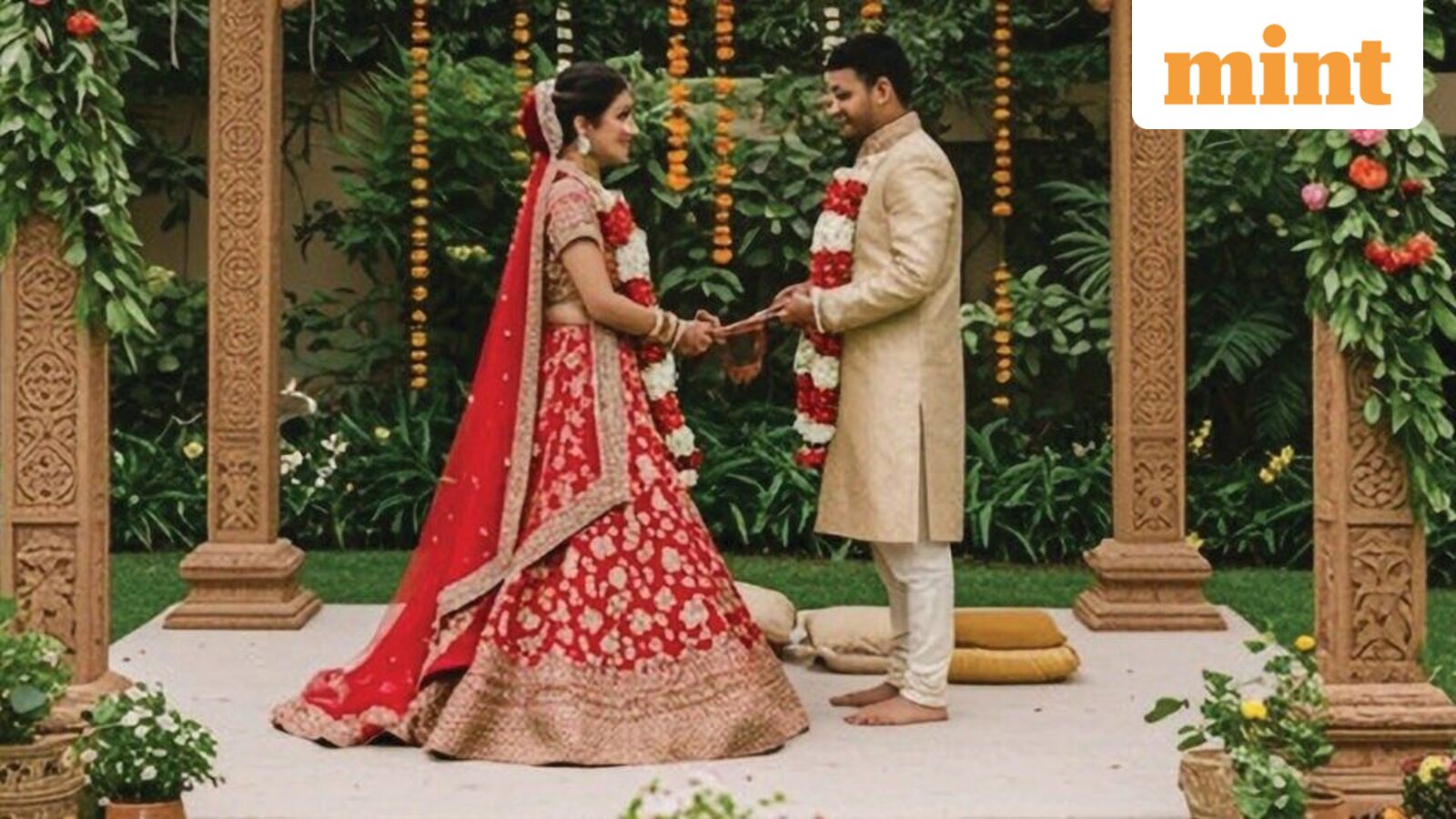
India’s wedding economy and a surprising protection gap
India is set to host weddings worth roughly ₹6.5 trillion this year. Despite the scale and expense of these celebrations, relatively few couples buy wedding insurance. High bills, complex contracts, and a sense that mishaps are unlikely mean many families accept the risk rather than paying for a policy.
Why so few couples buy wedding insurance?
- Perception of low risk: Many couples feel the probability of a major loss is small. When mishaps do occur, families often rely on informal networks or personal savings.
- Cost concerns: Even though premiums are usually a fraction of the total wedding spend, some couples balk at any additional expense when budgets are tight.
- Confusing products and exclusions: Policies can include complex language and exclusions that make it hard to understand what is actually covered—deterring buyers who want clear protection.
- Fragmented vendor market: Large hotels or professional planners may carry insurance, but many local vendors operate without formal contracts or coverage, complicating claims for customers.
- Cultural and trust factors: Weddings often follow family traditions and personal arrangements. Relying on relatives and goodwill can feel preferable to dealing with insurers.
What wedding insurance typically covers
Wedding insurance policies vary, but many offer combinations of the following protections:
- Cancellation or postponement: Reimbursement for non-recoverable costs if the event is cancelled or postponed due to covered reasons.
- Vendor failure: Coverage if a key vendor fails to show or goes out of business.
- Event liability: Protection against third-party bodily injury or property damage that occurs during the event.
- Property loss or damage: Coverage for decorations, dresses, suits, and gifts that are lost, stolen, or damaged.
- Photography and videography loss: Compensation if photos or videos are lost or damaged and backups are unavailable.
- Travel-related losses: For destination weddings, this can include reimbursing travel costs if a covered event forces you to cancel.
Common exclusions and confusing clauses
Understanding exclusions is critical. Policies frequently exclude or limit coverage for:
- Acts of war, political unrest, or certain natural disasters unless specific add-ons apply.
- Pre-existing conditions such as known health problems causing cancellation.
- Non-contractual disputes with vendors—if you didn’t sign a contract outlining refunds, claims might be denied.
- High-value jewellery or heirlooms unless separately declared and insured.
Insurers also use terms like “reasonable care” and “non-recoverable costs,” which can be subjective. That ambiguity often puts couples off buying cover.
How much does wedding insurance cost?
Premiums depend on the total event cost, coverage limits, duration, and add-ons. Typically, policies cost a small percentage of the wedding budget—often ranging from a few thousand to a few tens of thousands of rupees for mid-range coverage. The price rises with higher coverage limits and additional riders such as jewellery protection, travel cover, or higher liability limits.
Practical tips for couples considering insurance
- Buy early: Buy cover as soon as you’ve paid non-refundable deposits or set a date. Many policies only cover events contracted after purchase.
- Read exclusions closely: Don’t assume “cancellation” or “loss” covers every scenario. Check what causes are specifically included and excluded.
- Document everything: Keep contracts, receipts, deposit proofs, photos of items, and vendor communication—these speed up claims and strengthen your case.
- Consider separate jewellery insurance: High-value jewellery often needs a standalone policy or a declared item add-on.
- Check vendor insurance and contracts: Ask vendors if they have liability cover and insist on written agreements that detail refunds, rescheduling terms, and delivery timelines.
- Assess what you really need: For destination weddings, travel cover is important. For large guest lists or open venues, event liability matters more.
- Compare claims processes: A low premium is of little use if the insurer makes claims difficult. Read reviews or ask peers about their claim experiences.
Alternatives and complements to wedding insurance
If a full wedding policy seems unnecessary, consider these options:
- Extensions on home insurance for valuable items during the event.
- Individual jewellery or gadget insurance for expensive pieces.
- Escrow arrangements for large payments or staged payments tied to deliverables.
- Clear contractual clauses with vendors about cancellations, refunds, and penalties.
Balancing risk and peace of mind
Weddings are emotionally and financially significant. Insurance won’t eliminate all risks, but it can turn a potentially ruinous event into a manageable setback. For many couples, the decision comes down to whether the cost of a policy is worth the peace of mind it brings. Read policies carefully, plan documentation, and choose cover that matches your biggest concerns—whether that’s vendor failure, cancellation, liability, or loss of valuables.