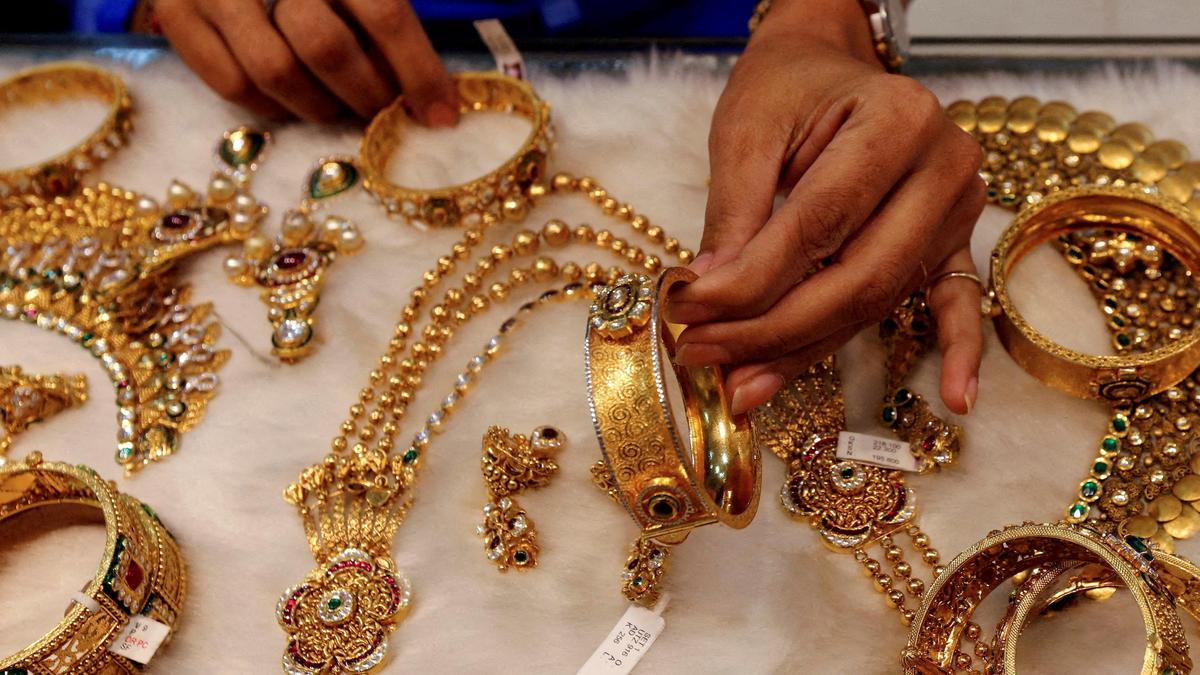
Imports of gems and jewellery climb to $1.89 billion
Imports of gems and jewellery surged by 36%, reaching $1.89 billion in the latest reporting period. The jump signals renewed activity in global buying and supply chains after a period of softer demand.
Why the rise happened
- Stronger consumer demand: Rising spending on luxury goods and festive-season purchases often push import volumes higher.
- Inventory restocking: Retailers and wholesalers may be rebuilding inventories after lean months, increasing shipments.
- Price and commodity factors: Movements in gold, diamonds and foreign exchange rates can influence the value of imports even if volumes remain steady.
- Trade flows normalising: Easing logistics and supply-chain bottlenecks make it easier for cross-border trade in high-value items.
Implications for industry and economy
This stronger import figure can have mixed consequences. On one hand, higher imports can support retailers, cutters, polishers and allied services, creating jobs and boosting downstream economic activity. On the other hand, a sharp rise in imports may widen the trade deficit for countries that rely on gem and jewellery purchases.
For local manufacturers, increased imports can mean tougher competition but also access to a broader range of raw materials and finished goods. Policymakers and industry bodies will likely watch whether the trend reflects sustainable demand or a short-term correction.
What to watch next
- Whether domestic production picks up to match import demand.
- Movement in global commodity prices (gold, diamonds) that affect import values.
- Retail sales and consumer confidence trends that will determine if demand stays strong.
Overall, a 36% jump to $1.89 billion is a notable signal of momentum in the gems and jewellery trade — one that industry players and analysts will monitor closely in coming months.