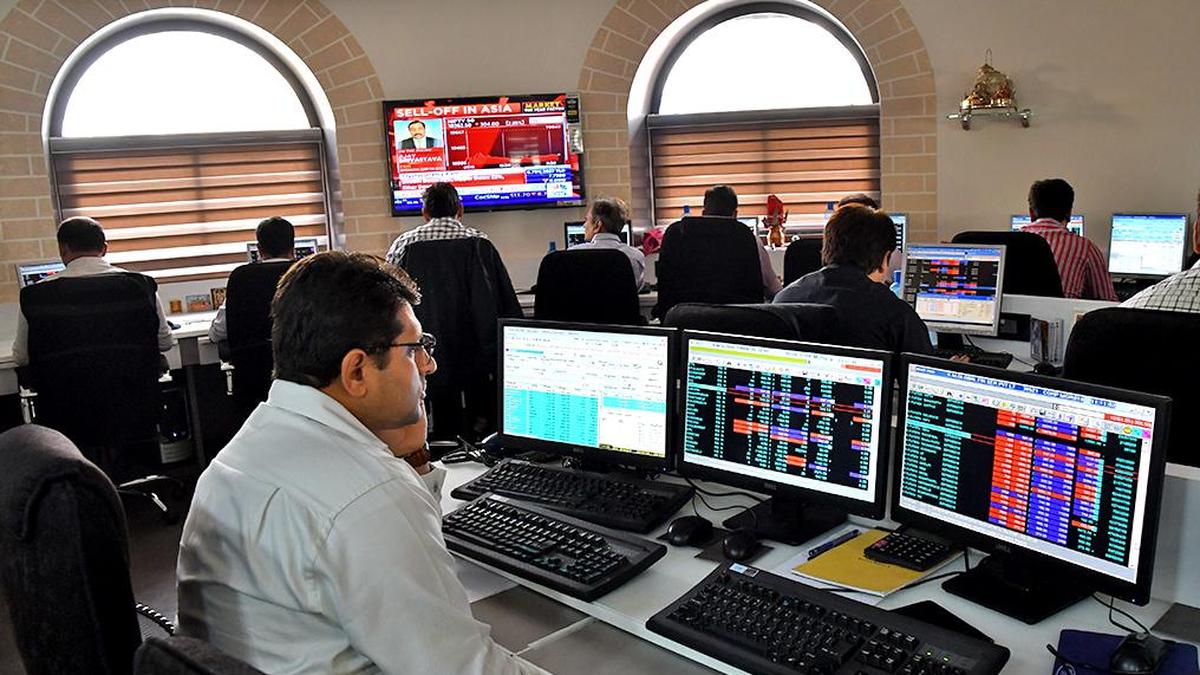
Bourses slipped as a chunk of the 30-stock index underperformed, dragging broader sentiment. Among the heaviest laggards were InterGlobe Aviation, Sun Pharma, Asian Paints, Reliance Industries, Hindustan Unilever and Tata Steel. Their weakness contributed materially to the index’s downward move and drew fresh attention from investors managing short- and medium-term risks.
Who slipped and why it matters
When several large-cap names fall together, the headline index often follows. These six companies span key parts of the economy—aviation, pharmaceuticals, consumer goods, oil and gas, paints and steel—so their performance can shape market direction more than smaller stocks.
- InterGlobe Aviation—Aviation stocks tend to be sensitive to fuel costs, travel demand and regulatory developments. Weakness in this stock can reflect concerns about margins or a pullback in discretionary travel spending.
- Sun Pharma—Pharma shares generally respond to earnings, patent matters, and global demand for generics. A loss of momentum here signals investor caution around near-term growth or pricing pressures.
- Asian Paints—As a proxy for housing and discretionary home improvement spending, a slide in paint makers often hints at softer domestic demand or margin pressure from raw-material costs.
- Reliance Industries—Given its size and sector diversification, weakness in this stock can have an outsized impact on the index. Factors include energy prices, refining margins, and performance of its retail and digital arms.
- Hindustan Unilever—A leading FMCG player, HUL tends to reflect consumer sentiment. A dip may suggest concerns about rural demand, price hikes, or competition weighing on growth.
- Tata Steel—Steelmakers are closely tied to global commodity cycles and infrastructure activity. A fall here may indicate worries about demand, input costs, or export dynamics.
Market implications for investors
Several lessons stand out when big names slide together:
- Portfolio concentration matters. Heavy exposure to a few index leaders can amplify gains and losses. Diversification across sectors can reduce single-event impact.
- Watch economic signals. Stocks like paints and consumer goods often act as early indicators of consumption trends. Consistent weakness there can presage slower growth in related sectors.
- Macro and commodity links are key. Aviation, oil, and steel names are sensitive to fuel and raw-material prices. Monitor commodity movements and policy changes that affect margins.
- News flow and corporate updates change narratives quickly. Earnings, guidance, regulatory announcements or management commentary can reverse short-term moves faster than fundamental shifts.
Opportunities amid weakness
Market pullbacks also create buying opportunities for long-term investors. Consider these approaches:
- Reassess fundamentals—focus on companies with strong balance sheets, predictable cash flow, and clear recovery paths.
- Dollar-cost average—use phased buying to reduce timing risk when a favored stock is volatile.
- Use stop-losses and position sizing—protect capital by limiting exposure to any single name.
- Look for dividend stability—companies with steady dividends can offer downside cushion during market stress.
Short-term watchers and cues
Traders and active investors should keep an eye on a few practical signals:
- Quarterly results and management guidance for signs of momentum shifts.
- Commodity price trends—crude oil, steel scrap and key chemical inputs for paints and pharma packaging.
- Macro indicators such as industrial production, consumer demand metrics, and travel data for aviation exposure.
- Regulatory or policy announcements affecting specific sectors.
Bottom line
When big-cap names like InterGlobe Aviation, Sun Pharma, Asian Paints, Reliance Industries, Hindustan Unilever and Tata Steel lead declines, the market takes notice because these firms represent broad economic themes. Investors should balance attention to near-term news with a longer view on fundamentals, manage risk through diversification, and be ready to act when valuations and outlooks shift.