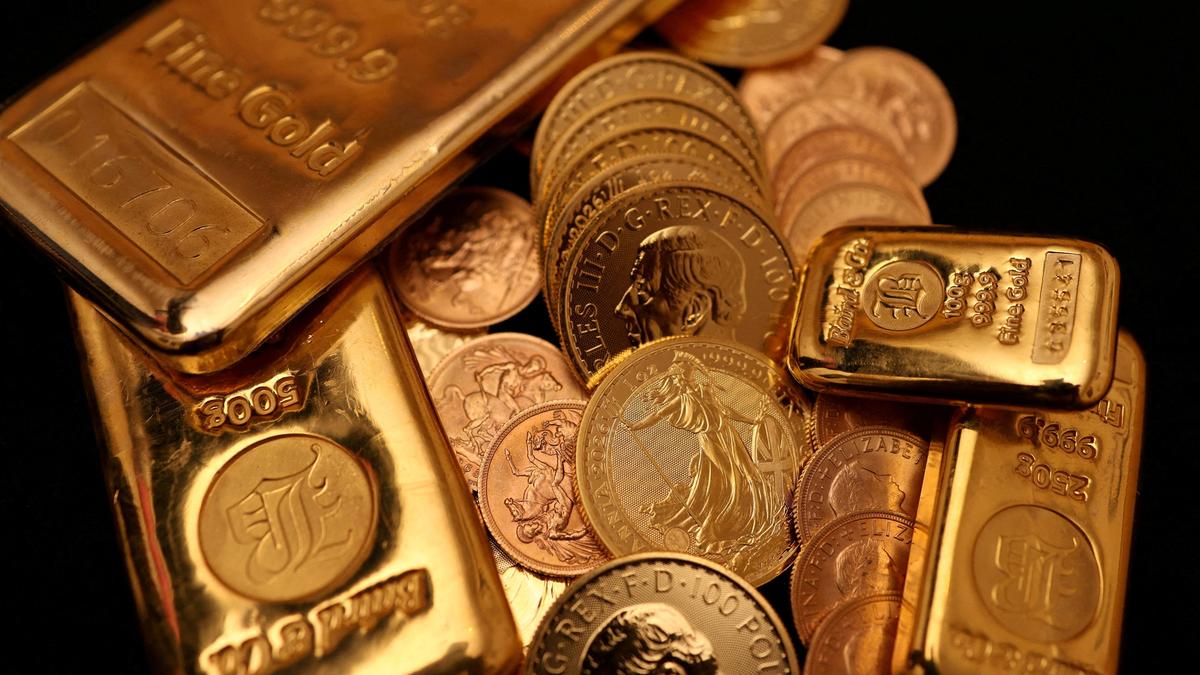
Gold has been on a strong run, and some analysts say the rally could have much further to go. One high-profile forecast has pushed the idea of a much higher price into the headlines: HSBC has suggested gold could reach $5,000 an ounce in the first half of 2026, citing lasting macroeconomic risks and sustained safe‑haven demand. That kind of projection has sparked fresh debate about whether gold is heading toward another long bull market or simply riding a short-term wave of risk aversion.
Why analysts are growing more bullish
Several factors are being cited to explain why gold might keep rising:
- Macro uncertainty: Lingering concerns about growth, debt, and potential policy shocks make investors look for assets that can protect value.
- Safe‑haven demand: When geopolitical tensions, market volatility, or uncertain economic data appear, investors often shift toward gold as a store of value.
- Low or negative real yields: If inflation outpaces bond yields, gold becomes more attractive because it doesn’t pay interest and benefits relatively from weak real returns on cash and bonds.
- Currency moves: A weaker US dollar can lift dollar-priced commodities like gold, making them cheaper for holders of other currencies.
- Investment flows: Continued inflows into gold ETFs and increased central bank purchases can tighten available supply for the market, supporting higher prices.
What the $5,000 forecast implies
A target of $5,000 an ounce implies a dramatic move from current levels. For investors, such a projection signals an expectation of prolonged stress in global markets or sustained monetary conditions that favor precious metals. Achieving that price would likely require a combination of persistent economic worries, substantial buying interest from institutions and retail investors, and perhaps further easing in real yields.
Market mechanics to watch
- ETF inflows and outflows — large inflows can amplify price moves.
- Central bank behaviour — continued purchases support demand; selling would do the opposite.
- Bond market trends — falling real yields tend to be supportive of gold.
- Dollar strength — a rebound in the dollar could cap gains.
Counterarguments and risks
Not everyone agrees with the most bullish scenarios. Several clear risks could limit gold’s upside or trigger a pullback:
- Higher interest rates: If central banks keep policy tighter for longer, yields could rise and reduce gold’s opportunity appeal.
- Stronger economic data: Signs of a robust recovery could push money back into equities and risk assets.
- Rapid dollar appreciation: A swift dollar rally would make gold more expensive in other currencies and could dampen demand.
- Profit-taking and positioning: After a long rally, speculative positioning can reverse quickly, leading to sharp corrections.
What investors might consider
For those watching gold as part of a portfolio strategy, the current backdrop suggests a few practical considerations:
- Review allocation: Ensure any exposure to gold matches your risk tolerance and investment horizon.
- Diversify how you hold gold: Options include physical bullion, ETFs, futures, and mining stocks — each has different costs, liquidity and tax implications.
- Monitor catalysts: Keep an eye on inflation data, central bank meetings, bond yields and major geopolitical developments.
- Set clear plans: Have target levels for buying or taking profits and consider stop-loss rules to manage downside risk.
Bottom line
Gold’s rally has momentum, and prominent forecasts that put prices much higher have sharpened investor attention. The path to any lofty target like $5,000 an ounce would depend on a mix of continued macro uncertainty, investor demand, and trends in real yields and currencies. At the same time, a stronger economy or a change in monetary policy could quickly change the outlook. For now, gold remains a key barometer of risk sentiment — and a possible hedge for those preparing for uncertain times.