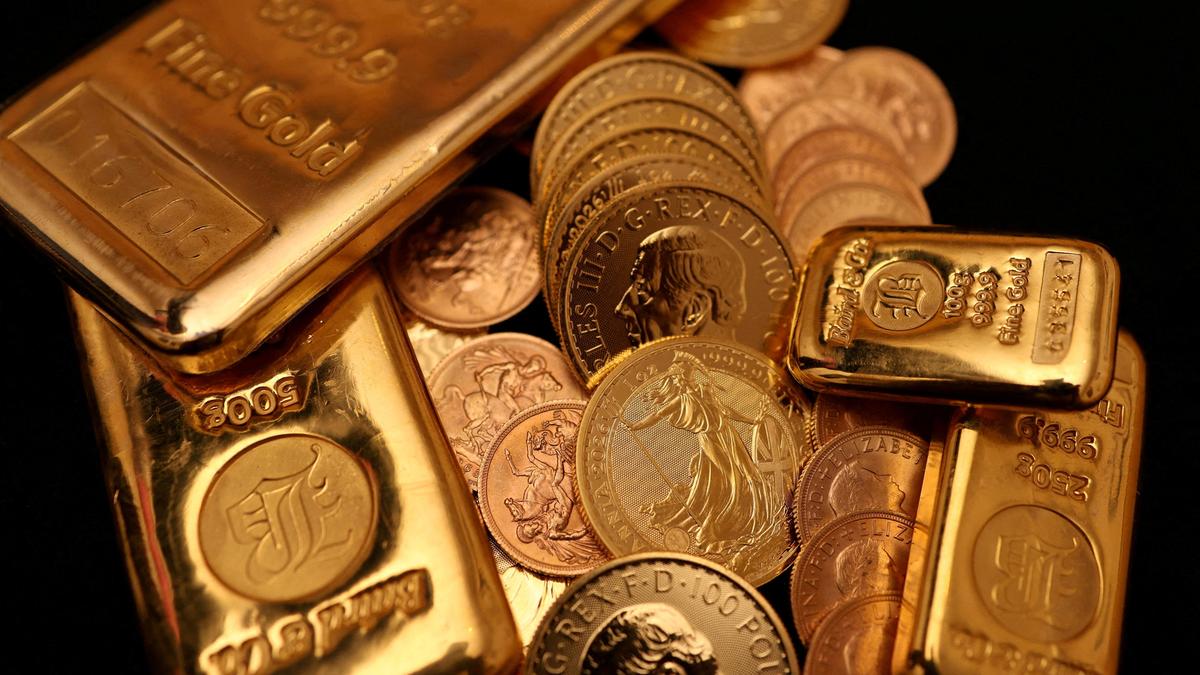
Gold Pulls Back After Brief Rally
Spot gold fell 0.8% to $4,461.51 per ounce as of 1001 GMT, slipping after earlier reaching a more-than-one-week high during the same session. The pullback highlights the market’s sensitivity to shifts in sentiment and key economic signals.
What drove the move?
- Short-term profit-taking: After the earlier spike to a weekly top, some traders likely booked gains, putting downward pressure on prices.
- Currency and yield dynamics: Gold often reacts to movements in the U.S. dollar and Treasury yields. Strength in the dollar or rising yields can make non-yielding bullion less attractive versus interest-bearing assets.
- Risk sentiment: Shifts in risk appetite across equity and bond markets can quickly influence safe-haven demand for gold. When investors move back into riskier assets, bullion can see a short-term pullback.
Why gold still matters to investors
Gold remains an important asset for many portfolios because it acts as a store of value and a hedge against inflation, currency weakness, and geopolitical risk. Short-term price swings are common, but the metal’s long-term role as a portfolio diversifier keeps investor interest steady.
Key things to watch next
- Economic data: Inflation readings, employment figures, and consumer confidence reports can sway expectations for monetary policy and in turn affect gold prices.
- Central bank signals: Comments or minutes from central banks about interest rates influence bond yields and the dollar, both important for gold.
- Geopolitical developments: Escalations or easing of geopolitical tensions can boost or reduce demand for safe-haven assets.
- Market positioning: ETF flows, options activity, and large speculative positions can amplify short-term moves.
How investors might approach the current environment
- Consider the distinction between short-term trading and long-term allocation. Volatility can create buying opportunities for long-term investors.
- Diversify exposures — some investors split holdings between physical gold, ETFs, and mining stocks to balance liquidity, cost, and operational risks.
- Stay informed about macroeconomic indicators and central bank commentary that typically drive gold price cycles.
Bottom line
The 0.8% intraday drop to $4,461.51 per ounce reflects a normal market reaction after an intra-session run-up to a weekly high. While short-term movements can be sharp, the underlying drivers — currency moves, yields, economic data and geopolitical risks — will continue to shape gold’s path in the weeks ahead. Investors should weigh their time horizon and risk tolerance when considering exposure to the metal.