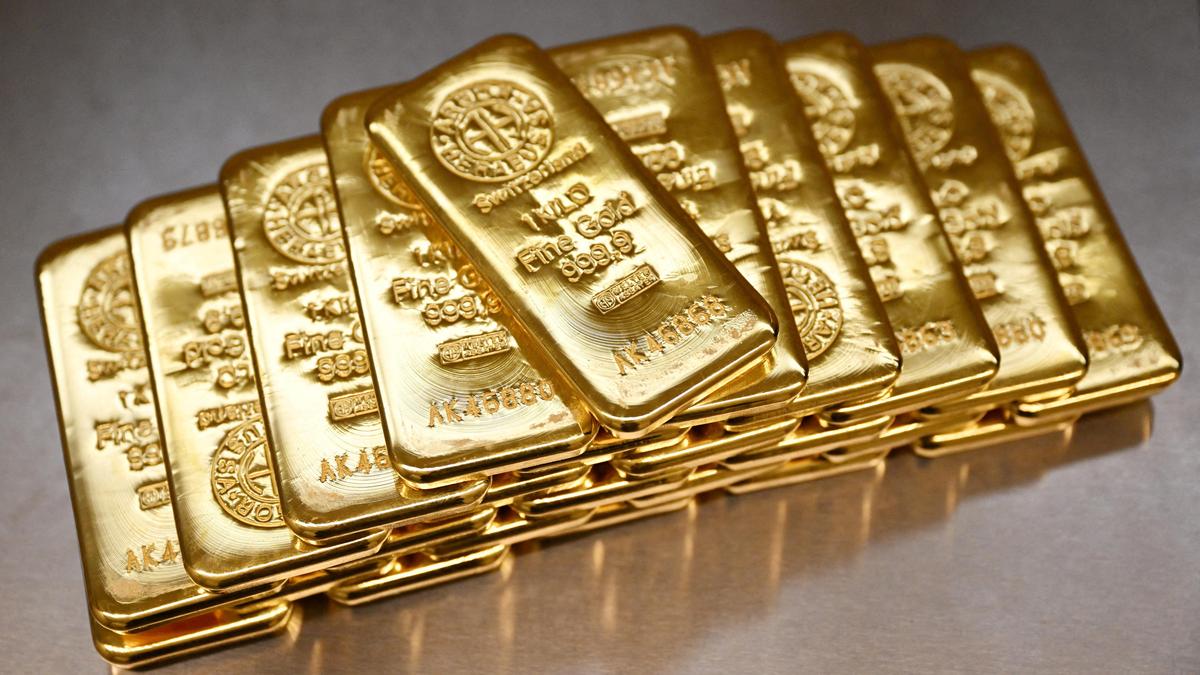
Precious metals climb as investors seek safe havens
Gold and silver have recently climbed to record highs as investors poured into safe assets amid rising geopolitical tensions and growing expectations that central banks will cut interest rates. The move reflects a mix of economic signals and risk-off sentiment that is pushing demand for hard assets.
What’s driving the rally?
- Geopolitical uncertainty: Escalating tensions in several regions have prompted investors to reduce exposure to riskier assets and move into traditional havens like gold and silver.
- Rate-cut expectations: Markets increasingly expect central banks to ease policy in the months ahead. Lower interest rates reduce the opportunity cost of holding non-yielding assets, making bullion more attractive.
- Weaker dollar and real yields: A softer U.S. dollar and falling real yields tend to boost metal prices because they make gold and silver cheaper for holders of other currencies and improve the relative appeal of tangible assets.
- Safe-haven demand and flight to quality: Uncertain economic outlooks and market volatility often trigger flows into exchange-traded funds (ETFs), coins, and bars, supporting prices.
- Physical demand and supply dynamics: Seasonal buying, central bank purchases, and constrained mine output can tighten supplies at the margins and lift prices further.
How markets and investors are reacting
Institutional and retail investors have shown heightened interest in both gold and silver. Key market reactions include:
- Increased inflows into bullion-backed ETFs, which track holdings of physical metal and provide an easy way for investors to gain exposure.
- Stronger demand for physical coins and bars in regions where investors traditionally turn to tangible assets during uncertainty.
- More trading activity in futures and options as speculators and hedgers position for further price moves.
Role of currencies and bonds
Gold and silver are sensitive to moves in major currencies and bond yields. When rate-cut expectations rise, real yields (nominal yields adjusted for inflation) often fall, which supports bullion. A weaker dollar also makes metals cheaper for holders of other currencies, amplifying demand.
What this means for investors
The surge presents both opportunities and risks. Investors considering precious metals should weigh several factors:
- Portfolio diversification: Gold and silver can act as a hedge against inflation, currency weakness, and geopolitical shocks.
- Volatility considerations: Even during rallies, metals can be volatile. Short-term price swings are common and can be driven by shifts in risk sentiment or policy expectations.
- Investment vehicles: Choices include physical bullion, ETFs, futures, mining stocks, and mutual funds—each with different costs, liquidity and risk profiles.
- Timing and horizon: Long-term investors may focus on fundamentals and diversification benefits, while traders may try to capture momentum but must manage downside risk.
Near-term outlook
Several scenarios could shape the next phase of the market:
- If rate cuts materialize: Lower interest rates and weaker real yields would likely keep supporting precious metal prices.
- If central banks stay hawkish: Faster-than-expected rate hikes or less easing could put pressure on metals, as yields rise and the dollar gains strength.
- If geopolitical tensions ease: A de-escalation would likely reduce safe-haven demand and could lead to a pullback in prices.
Bottom line
The recent record highs for gold and silver underline their enduring role as safe-haven assets when economic and geopolitical risks rise. Investors should consider how precious metals fit with their broader goals and risk tolerance, and stay alert to policy moves and global developments that can quickly alter market sentiment.