Index
Show
Why “Credit Limit Extension” Messages Are Risky
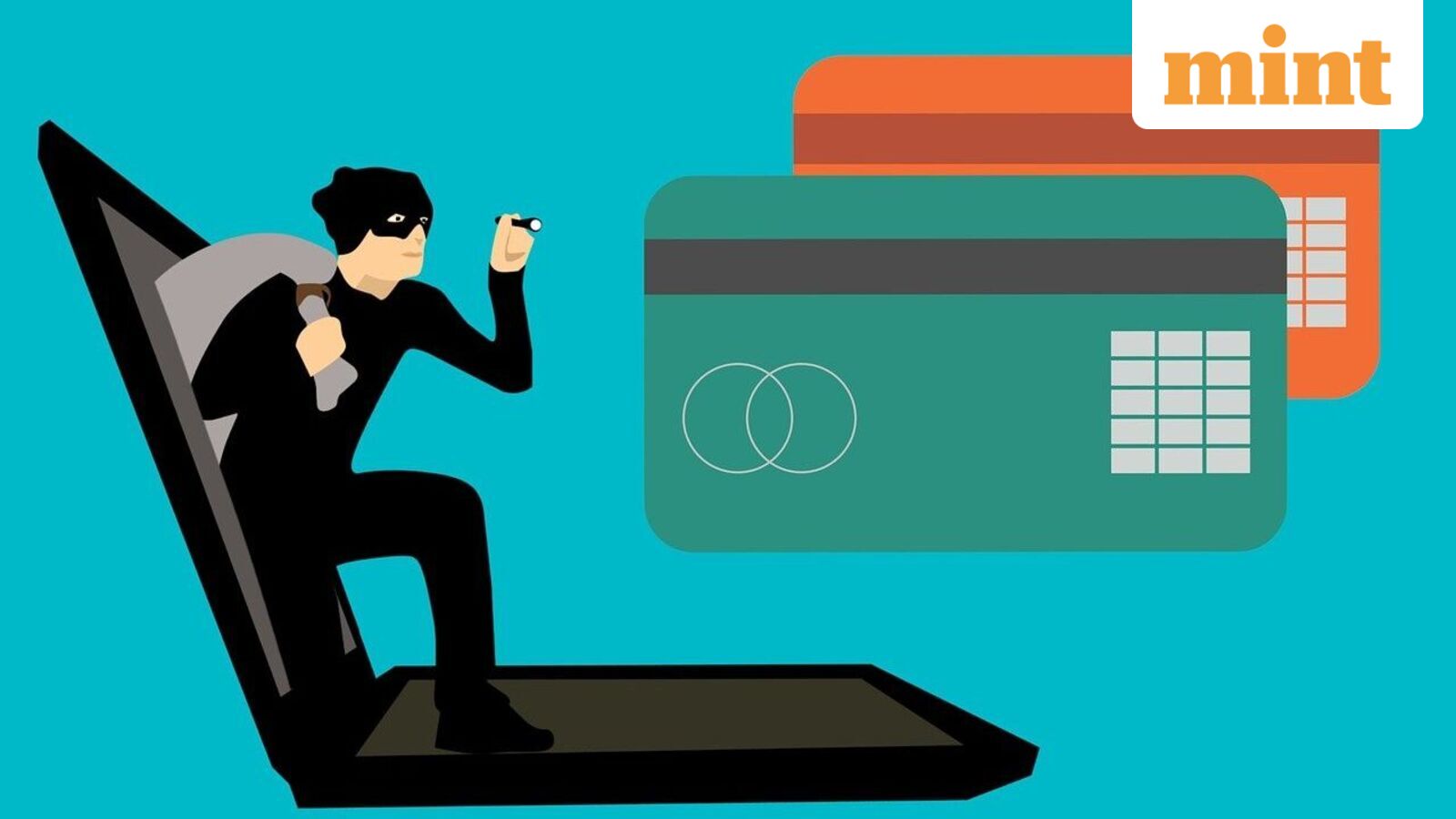
Fraudsters increasingly use fake offers of credit limit increases to lure people into sharing sensitive information. The message usually promises a quick benefit — a higher limit, better terms, or instant approval — but the goal is to get account details, one-time passwords, or login credentials. Once shared, victims can see unauthorized charges, drained accounts, or ruined credit scores.
Common Signs of a Limit Extension Scam
- Unsolicited contact: You didn’t request an increase but received a call, text, or email offering one.
- Urgent pressure: Messages pressure you to act “now” or risk losing the offer.
- Requests for sensitive data: The sender asks for full card numbers, CVV, PINs, or one-time passwords (OTPs).
- Suspicious links or attachments: URLs that look wrong, misspelled domains, or files you weren’t expecting.
- Spoofed caller ID: The caller ID shows your bank’s name but the caller asks for details the bank already has.
How to Verify Genuine Offers
- Pause before responding. Genuine issuers don’t pressure you to confirm details immediately.
- Use official channels: Call the number on the back of your card or log in to the issuer’s official app or website to check offers.
- Check recent communications in your bank’s secure message center rather than clicking links in emails or texts.
- Compare sender details: a legitimate email will come from a corporate domain, not a random address or free email service.
Practical Steps to Protect Your Credit Card
- Enable transaction alerts and OTP notifications so you’re notified of activity immediately.
- Use strong, unique passwords and enable two-factor authentication on your financial accounts.
- Consider virtual card numbers for online purchases to keep your real card details private.
- Set spending limits or temporary locks if your issuer offers them.
- Regularly review statements and credit reports for unfamiliar activity.
If You Think You’ve Been Targeted
- Contact your card issuer immediately to freeze the card and dispute any unauthorized charges.
- Change passwords and revoke any suspicious device access to your accounts.
- Report the incident to local authorities and to consumer protection or financial regulators in your country.
- Monitor your credit report and consider a fraud alert or credit freeze if information was exposed.
Staying cautious and verifying offers through official channels are the simplest, most effective defenses against credit limit extension scams. Small steps — like pausing before you click, enabling alerts, and calling the number on your card — can prevent big financial headaches.