Warren Buffett’s “20-Slot Punch Card” Advice: Treat Opportunities Like a Limited Resource
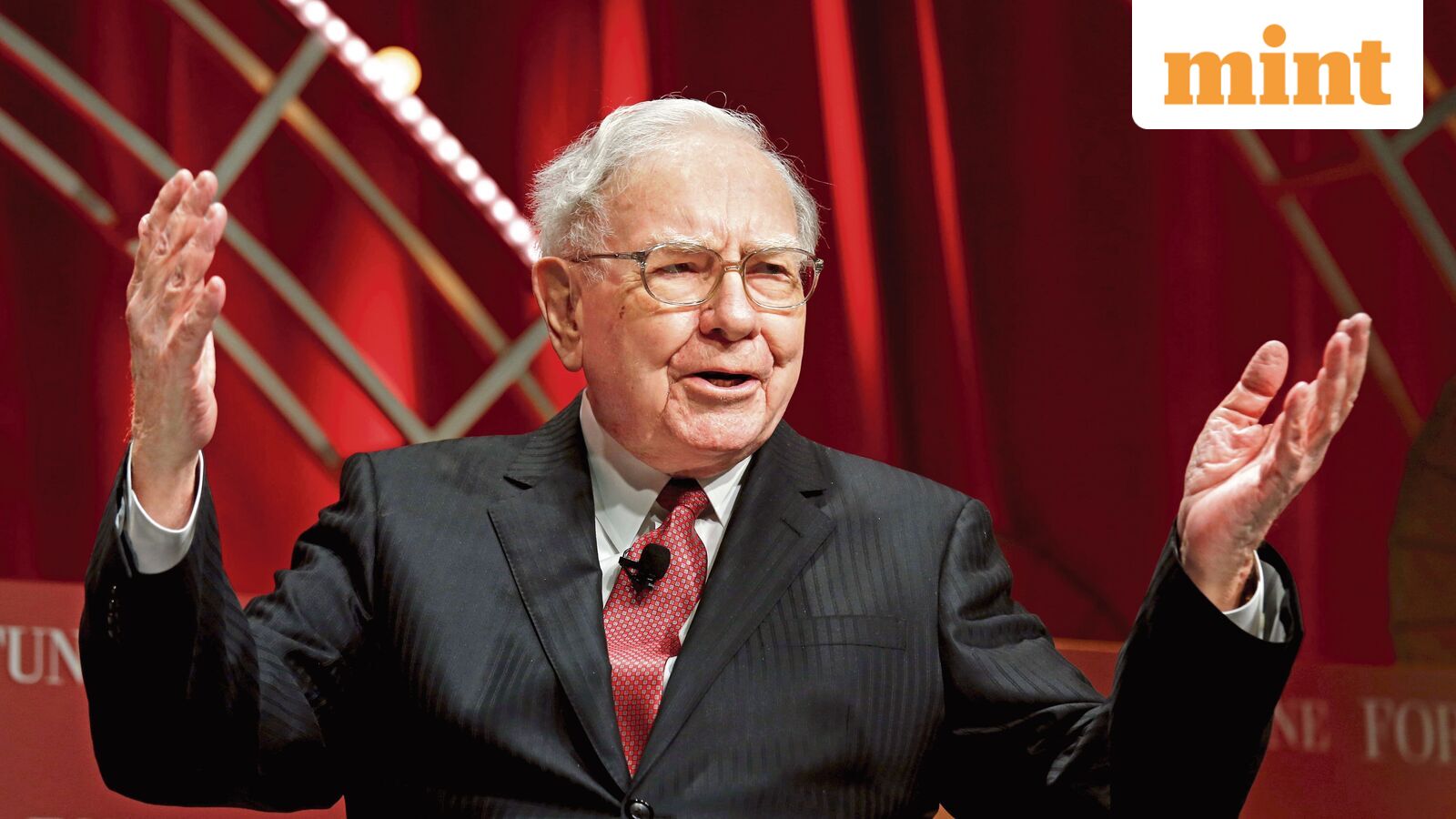
In a recent viral speech, Warren Buffett delivered a simple but powerful message for students and young investors: life hands out only a few truly rare opportunities, and you must choose them wisely. He used a memorable metaphor — a “20-slot punch card” — to explain why careful decision-making matters more than constant activity.
The punch card metaphor explained
Imagine a card with only 20 slots. Every major decision or investment you make uses one slot. Once the slots are gone, they’re gone. That’s the image Buffett used to stress that not every opportunity needs to be seized. Some moments are worth holding out for; others are better left untouched.
This idea reframes success as a process of selective action rather than relentless motion. It encourages people to think before committing time, money, or reputation to an idea.
Why this matters for investors
Buffett’s point is especially relevant to investing. Markets constantly present tempting trades and headline-driven fads. But frequent, impulsive moves—especially during exuberant bull markets—can erode long-term returns. Careful selection and patience often beat constant tinkering.
When you treat major investments as scarce and valuable, you naturally prioritize quality, patience, and thorough research. That approach aligns with long-term wealth building and helps avoid mistakes driven by emotion.
Avoiding impulsive trading in bull markets
Bull markets create a feeling that everything is a good buy. Momentum and fear of missing out push many investors into rapid trades. Buffett’s message is a warning: don’t let temporary excitement consume your “slots.”
- Think long term: Decide if an investment fits your long-range goals, not just today’s trends.
- Do the homework: Favor ideas you understand well and can defend over time.
- Resist noise: Headlines and short-term price moves are poor bases for lasting decisions.
- Allocate sparingly: If your opportunities are limited, save slots for the highest-conviction choices.
Practical steps for students and young professionals
The metaphor is especially useful for people early in their careers. Students face choices about jobs, education, networking, and investments. They can apply the punch-card mindset to avoid spreading themselves too thin.
- Prioritize learning: Invest in skills and relationships that compound over time.
- Delay big financial bets: Focus first on building savings, reducing high-interest debt, and learning how markets work.
- Choose mentors and roles carefully: A few meaningful experiences can be far more valuable than many shallow ones.
- Use a checklist: Before committing to a major decision, run it through a consistent set of criteria.
Balancing opportunity and action
Buffett’s advice isn’t about being overly cautious. It’s about balance. You should act when the conviction is high and the potential is meaningful. The punch-card idea simply forces you to ask a key question before you act: is this slot worth using?
Smart investors and professionals accept that they will pass on many opportunities. The goal is to use your best chances wisely so the outcomes you choose have the greatest possible impact.
Key takeaways
- Opportunities are limited — treat major choices as scarce resources.
- Selective, well-researched decisions often outperform constant trading, particularly during bull markets.
- Students should prioritize learning, relationships, and financial basics before chasing every hot idea.
- Create a simple decision framework to preserve your “slots” for the most meaningful opportunities.
Buffett’s “20-slot punch card” is a practical mental model. It helps cut through the noise and focus on decisions that truly matter. In a world that rewards speed and volume, this reminder to be deliberate can make a big difference for anyone building a long-term future.