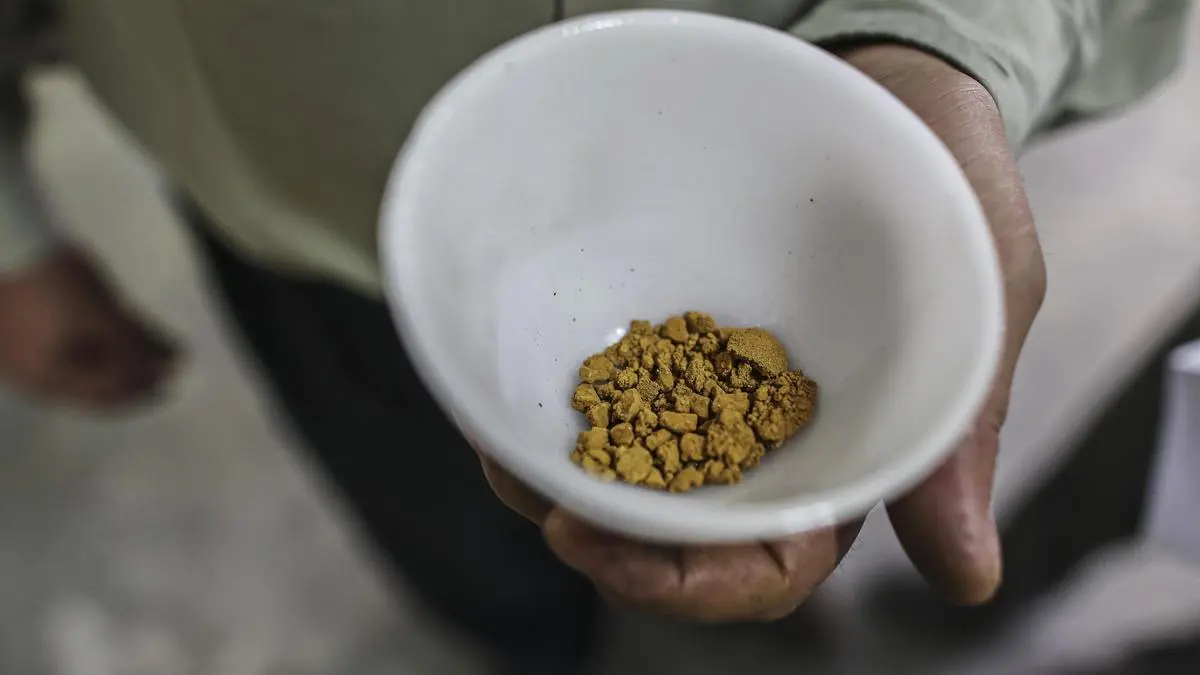
How gold recycling paves the way for sustainability

Cultural traditions often rely on specific materials, objects and rituals passed down through generations. At the same time, rising consumption and waste put pressure on the environment. Recycling creates a practical path to protect cultural heritage while advancing sustainability goals.

Why balancing culture and sustainability matters

Traditions form identity, attract tourism and support local economies. But many customary practices also generate disposable items — single-use decorations, ceremonial textiles or packaging tied to festivals. Ignoring environmental costs risks degrading the very places and communities these traditions celebrate. Finding ways to reuse and repurpose materials helps preserve cultural life without sacrificing ecological responsibility.

How recycling bridges tradition and green goals

Recycling and repair can be woven into cultural practices in ways that respect meaning and value. Key approaches include:

  • Material recovery: Collecting and processing items made of metal, glass, paper and textiles so they can be remade into new products.
  • Repurposing: Turning decorative elements or ceremonial objects into functional goods or new artworks.
  • Repair and maintenance: Supporting local skillsets that keep heirlooms and traditional garments in use longer.
  • Composting and biodegradable options: Replacing or treating organic ritual items so they return to the soil safely.

Practical examples

  • During festivals, community-run collection points can capture decorations and fabrics for cleaning and reuse the following year.
  • Artisans can transform broken pottery, beads or metal pieces into contemporary designs that retain symbolic motifs.
  • Traditional clothing makers can incorporate recycled fibers or offer take-back programs that turn old garments into new textiles.

Business and economic benefits

Companies and local enterprises that embrace recycling within cultural contexts create several advantages:

  • New revenue streams: Upcycled goods and circular services command growing consumer interest.
  • Cost savings: Reduced raw material needs and lower waste disposal costs improve margins.
  • Brand value: Businesses that respect cultural heritage while reducing impact build trust with consumers and communities.
  • Job creation: Repair, refurbishment and artisan-led upcycling generate local employment.

Practical steps communities and companies can take

  • Set up convenient collection points before and after major cultural events.
  • Partner with local artisans and waste managers to design reuse pathways that respect symbolic meanings.
  • Offer incentives — discounts, credits or recognition — for returning items for recycling or repair.
  • Educate participants on which materials are recyclable and how to prepare items for reuse.
  • Design new cultural products with durability and recyclability in mind.

Measuring success

Track outcomes with simple metrics that combine cultural and environmental goals: weight of waste diverted, percentage of festival materials reused, local jobs supported, and reductions in raw-material purchases or carbon emissions. These indicators help refine programs and demonstrate value to stakeholders.

Recycling doesn’t mean erasing tradition. When done thoughtfully, it enables communities and businesses to keep cultural practices alive while reducing environmental harm — a practical win for heritage and sustainability alike.

Leave a Comment