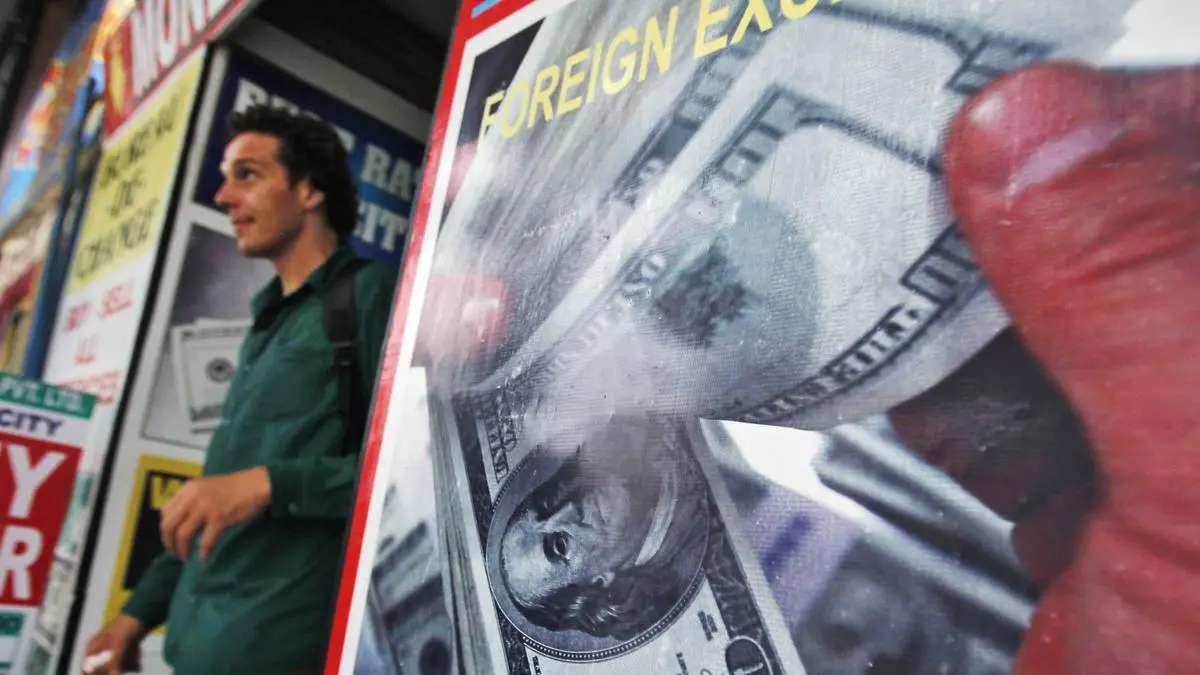
Forex kitty in a sustained downtrend
Over the past many weeks the forex kitty has been largely in a downtrend, trimming foreign exchange reserves and drawing more attention from markets and policymakers. This steady decline matters because reserves are a key buffer against currency shocks and external pressures.
What’s driving the reserve decline?
Several factors typically push reserves down. These often include:
- Currency intervention: Central banks may sell reserves to steady the local currency during periods of volatility.
- Trade deficits: Higher import bills — for energy, raw materials, or capital goods — reduce net foreign exchange holdings.
- Capital outflows: When investors pull money out due to risk or better returns elsewhere, reserves can be used to manage the fallout.
- Debt repayments: Large external debt servicing obligations require foreign currency outflows.
Why the downtrend is important
Foreign exchange reserves are more than a headline number. They influence:
- Market confidence: Low reserves can increase volatility and raise borrowing costs.
- Import cover: Fewer reserves mean less ability to pay for essential imports, creating supply and price risks.
- Monetary policy space: Authorities have fewer tools to smooth exchange-rate moves without draining reserves further.
Potential economic impacts
The ongoing decline can have ripple effects:
- Pressure on the currency: Sustained reserve drawdowns often coincide with depreciation or sharper fluctuations.
- Inflation risks: A weaker currency can increase import costs, adding to consumer price pressures.
- Investor sentiment: Confidence may wobble, prompting higher risk premiums and tighter financial conditions.
What policymakers can do
Responding to a falling forex kitty usually involves trade-offs. Common measures include:
- Adjusting interest rates to curb outflows and stabilise the currency.
- Introducing capital controls or targeted regulations to slow volatile flows.
- Negotiating lines of credit or swap arrangements to rebuild buffers.
- Encouraging exports and remittances through fiscal and trade measures.
What to watch next
Key indicators that signal change in the trend include:
- Monthly reserve updates and import cover ratios.
- Exchange-rate volatility and central bank intervention statements.
- External debt repayments and incoming capital flows.
Practical advice for businesses and investors
In an environment of falling reserves, prudent steps can reduce risk:
- Diversify currency exposures and use hedging where possible.
- Build short-term liquidity cushions to manage working capital needs.
- Monitor macro indicators closely and adjust forecasts for potential currency moves.
Understanding the causes and consequences of a sustained downtrend in the forex kitty helps businesses, investors, and policymakers prepare and respond more effectively. Watch the data and policy signals — they will guide whether the downtrend continues or reverses.